Vilnius Takes European 'Green' Crown, Aims for Climate Neutrality by 2030
-
 Loading...
 - Amelia Bernard
- 25 Mar 2025
- 21 Views
- 0 Like
- 0 Comment
Vilnius has been recognized as the European Green Capital for 2025 by the European Commission, a title that underscores the Lithuanian capital's strong commitment to sustainability and its realistic approach to environmental challenges. The jury praised Vilnius for its efforts in various areas, including air quality improvement, climate change adaptation, and biodiversity preservation.
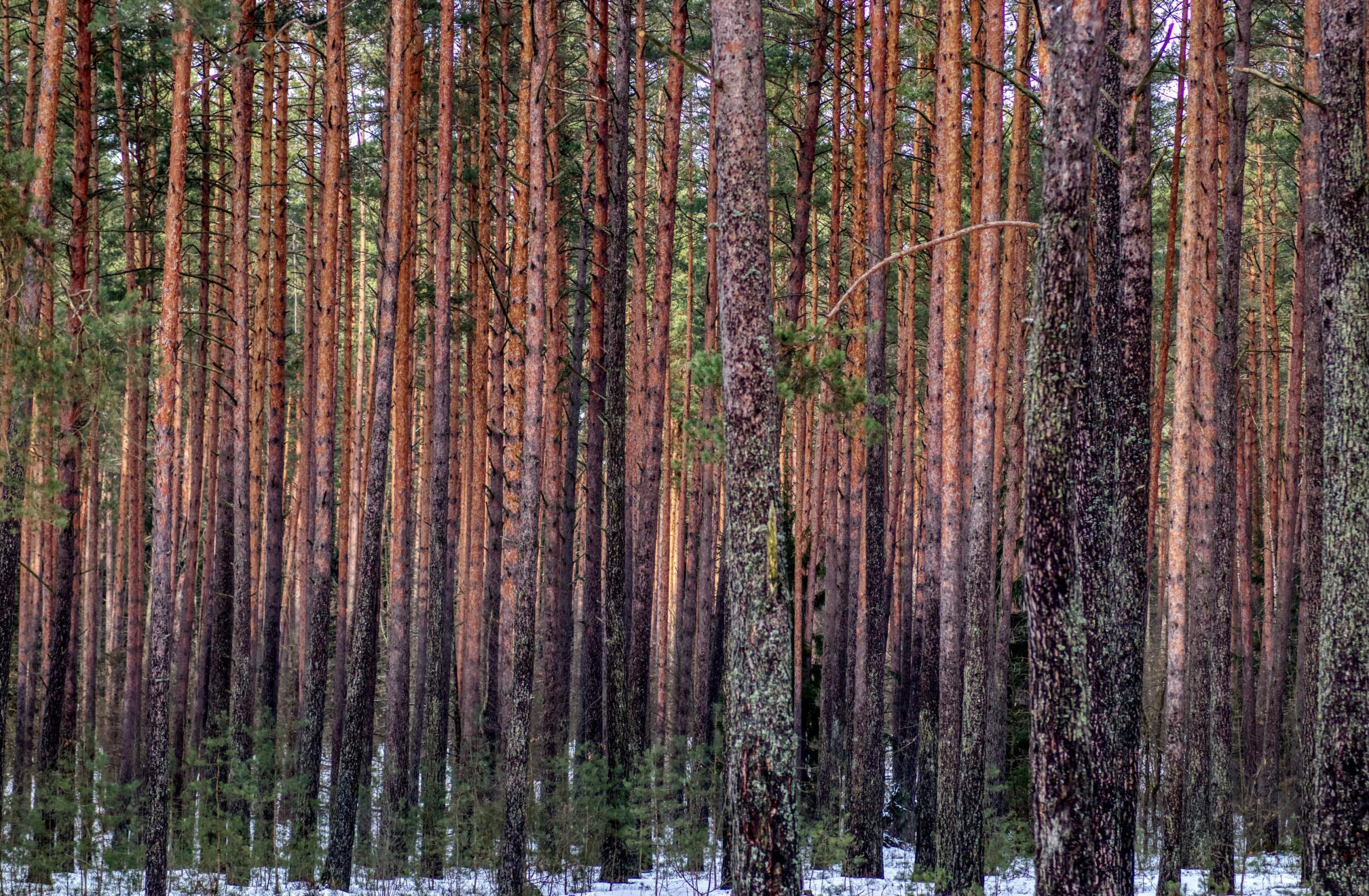
With green areas covering 61 percent of its territory, Vilnius is truly a green city. The presence of a forest right in the city center adds to its appeal. "Vilnius has its green crown, with plantations that surround the city and can be seen from many places," noted Lithuanian researcher Jekaterina Lavrinec. She highlighted the historical significance of tree-lined avenues planted in the early 20th century, which encouraged walking and enhanced the city's charm.
Jurga Mikutiene, head of the green capital project in Vilnius, emphasized the city's commitment to protecting wildlife and plants. "Our decision not to mow all the green spaces, as is commonly done, has been widely noticed," she said, reflecting a growing awareness of the importance of preserving natural habitats within urban environments.
Vilnius is also making strides in eco-friendly transportation. The city has narrowed some streets to create more space for pedestrians and cyclists, addressing the need for improved urban mobility. "Five years ago, the city limited car traffic in the city center. For me, this helped people realize that driving everywhere isn't necessarily the best option," said Silvestras Dikcius, a sustainable development trainer.
The city boasts over 100 kilometers of bicycle lanes that connect various districts, promoting cycling as a viable mode of transport. Public transportation is becoming increasingly eco-friendly as well. Mikutiene explained that trolleybuses, which are connected to an electrical grid via antennas, now include vehicles that can charge their batteries while driving. "They can be autonomous for a while, and as such, there are no CO2 emissions," she added.
Despite these advancements, the growing demand for new neighborhoods has led to a gradual loss of green spaces. "Buildings and constructions are increasing in the city. This is due to the economic model. Mortgage rates are low, and demand is high," Lavrinec noted, highlighting the tension between urban development and environmental preservation.
As Vilnius holds the title of European Green Capital this year, the focus will be on communication and raising awareness about ecological issues. The city aims to engage its residents and visitors in sustainability efforts, fostering a culture of environmental responsibility.
Looking ahead, Vilnius has set an ambitious goal to achieve climate neutrality by 2030, which means reaching net-zero greenhouse gas emissions. This commitment reflects the city's determination to lead by example in the fight against climate change and to inspire other cities across Europe to follow suit. With its green initiatives and forward-thinking policies, Vilnius is poised to make a significant impact on the path toward a more sustainable future.