Superior Water Quality in Liechtenstein: A Commitment to Conservation and Biodiversity
-
 Loading...
 - Adio Tarek
- 26 Mar 2025
- 22 Views
- 0 Like
- 0 Comment
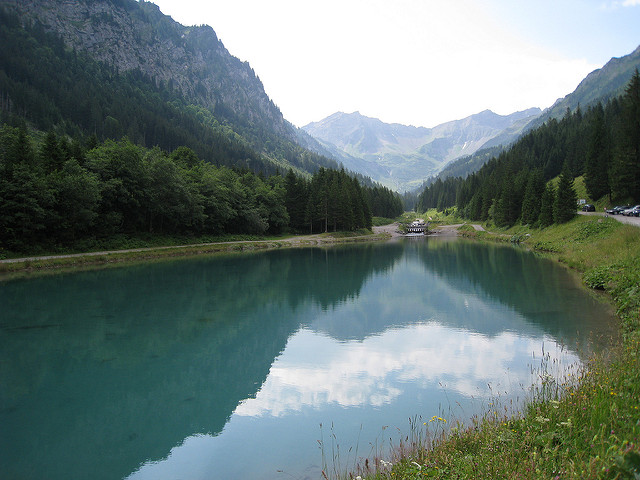
The principality of Liechtenstein, nestled between Austria and Switzerland, is renowned for its grand castles, alpine landscapes, and stunning views overlooking the Rhine River, which forms a significant part of the country’s western border. However, water is not just a scenic feature; it plays a crucial role in the daily lives of Liechtensteiners, serving as a vital source for drinking, sanitation, and hydroelectric power.
Importance of Water in Liechtenstein
Liechtenstein is home to several rivers, with the Rhine being the most prominent. The abundance of water resources is essential for the country’s hydroelectric dams, which contribute to its energy supply. As a result, maintaining high water quality is a top priority for the principality.
Water Protection Act
In 2003, Liechtenstein enacted the Water Protection Act, along with accompanying ordinances aimed at preserving and enhancing the quality and quantity of groundwater. Key features of this legislation include:
i. Spatial Planning Measures: Designated groundwater protection zones are established to safeguard vital water resources.
ii. Clear Regulations: The act outlines specific rules for the protection and use of groundwater, ensuring sustainable management practices.
iii. Pollution Protocols: Detailed procedures are in place for identifying and addressing any instances of water pollution, allowing for swift action to mitigate contamination.
These regulations facilitate a healthy exchange between groundwater and surface waters, which is essential for ensuring the availability of clean drinking water and maintaining the recreational water sites that attract both residents and visitors.
Biodiversity and Ecological Integrity
Recent revisions to the Water Protection Act, in line with the Convention on Biodiversity, emphasize the importance of biodiversity in water management. Key initiatives include:
i. Defining Water Spaces: Liechtenstein has clearly delineated its “water spaces,” which are crucial for effective flood management and ecological maintenance.
ii. Protection from Development: These designated areas are safeguarded from agricultural and construction activities that could compromise water quality.
By prioritizing the preservation of these water spaces, Liechtenstein not only protects its water quality but also enhances the ecological integrity of its natural environments.
A Role Model for Water Conservation
Liechtenstein’s commitment to superior water quality and biodiversity preservation sets a benchmark for other nations. By implementing comprehensive water protection measures and promoting sustainable practices, the principality challenges us all to prioritize water quality and conservation efforts.
In conclusion, Liechtenstein exemplifies how a small nation can make significant strides in environmental stewardship, serving as an inspiring model for Europe and the world in the quest for sustainable water management and conservation.