'Prehistoric Planet' shows complex dinosaur behavior. But how do we actually know?
-
 Loading...
 - Max Schneider
- 28 Jul 2022
- 94 Views
- 0 Like
- 0 Comment
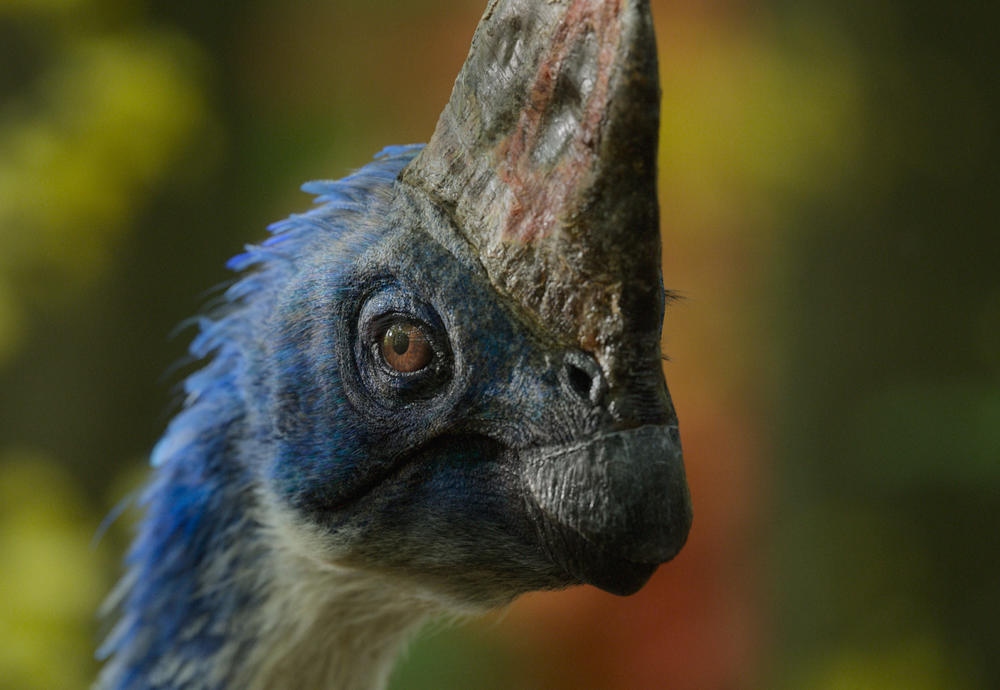
In the TV show Prehistoric Planet, where computer-generated dinosaur images are presented like any other nature documentary, "filmed" as they hunt and mate, there is one scene where an atrociraptor picks up a burning twig. The feathered raptor raises the branch to its coat, and Sir David Attenborough explains that the raptor is using the smoke to expel parasites that hide in the feathers.
The field of paleontology has jumped by leaps and bounds over the past three decades since Jurassic Park first screened to audiences, but using the fossil record to determine appearance is one thing. Determining the specifics of behavior – what evidence is there to back that up? How can scientists peek into the minds of creatures dead for millions of years? There's even another scene later in the show where another raptor uses a burning twig to actually spread the forest fire further, driving prey out of their hiding spots.
Although it may seem a stretch of the imagination to depict these dinosaurs as capable of using tools like fire, the veracity of these behaviors is supported by a multidisciplinary approach, according to Prehistoric Planet's executive producer Mike Gunton.
"The worst thing that could ever happen in this is that someone says, 'Oh, well, this is all made up. Why should I bother watching this?' " Gunton said.
"To make the picture that you see on the screen, we are pulling on dozens and dozens of separate threads, and trying to weave them together," Gunton said. "There's paleo-ecologists, there's paleo-climatologists, there's paleo-ethologists, there's fossil people, there's every single thing you can imagine."
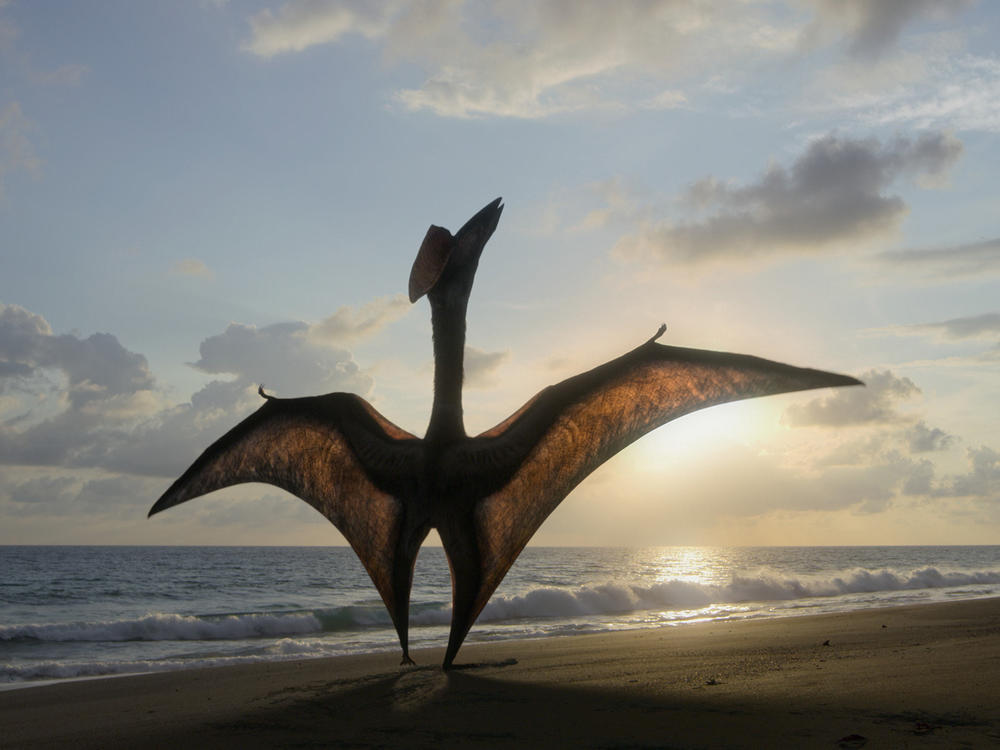
So once the team was assembled, a global squad of experts in all different time zones and specialties, the next step in figuring out how these prehistoric animals behaved was putting the world's best data on the dinos in front of this team. Read More...