Home Upload Photo Upload Videos Write a Blog Analytics Messaging Streaming Create Adverts Creators Program
Bebuzee Afghanistan Bebuzee Albania Bebuzee Algeria Bebuzee Andorra Bebuzee Angola Bebuzee Antigua and Barbuda Bebuzee Argentina Bebuzee Armenia Bebuzee Australia Bebuzee Austria Bebuzee Azerbaijan Bebuzee Bahamas Bebuzee Bahrain Bebuzee Bangladesh Bebuzee Barbados Bebuzee Belarus Bebuzee Belgium Bebuzee Belize Bebuzee Benin Bebuzee Bhutan Bebuzee Bolivia Bebuzee Bosnia and Herzegovina Bebuzee Botswana Bebuzee Brazil Bebuzee Brunei Bebuzee Bulgaria Bebuzee Burkina Faso Bebuzee Burundi Bebuzee Cabo Verde Bebuzee Cambodia Bebuzee Cameroon Bebuzee Canada Bebuzee Central African Republic Bebuzee Chad Bebuzee Chile Bebuzee China Bebuzee Colombia Bebuzee Comoros Bebuzee Costa Rica Bebuzee Côte d'Ivoire Bebuzee Croatia Bebuzee Cuba Bebuzee Cyprus Bebuzee Czech Republic Bebuzee Democratic Republic of the Congo Bebuzee Denmark Bebuzee Djibouti Bebuzee Dominica Bebuzee Dominican Republic Bebuzee Ecuador Bebuzee Egypt Bebuzee El Salvador Bebuzee Equatorial Guinea Bebuzee Eritrea Bebuzee Estonia Bebuzee Eswatini Bebuzee Ethiopia Bebuzee Fiji Bebuzee Finland Bebuzee France Bebuzee Gabon Bebuzee Gambia Bebuzee Georgia Bebuzee Germany Bebuzee Ghana Bebuzee Greece Bebuzee Grenada Bebuzee Guatemala Bebuzee Guinea Bebuzee Guinea-Bissau Bebuzee Guyana Bebuzee Haiti Bebuzee Honduras Bebuzee Hong Kong Bebuzee Hungary Bebuzee Iceland Bebuzee India Bebuzee Indonesia Bebuzee Iran Bebuzee Iraq Bebuzee Ireland Bebuzee Israel Bebuzee Italy Bebuzee Jamaica Bebuzee Japan Bebuzee Jordan Bebuzee Kazakhstan Bebuzee Kenya Bebuzee Kiribati Bebuzee Kuwait Bebuzee Kyrgyzstan Bebuzee Laos Bebuzee Latvia Bebuzee Lebanon Bebuzee Lesotho Bebuzee Liberia Bebuzee Libya Bebuzee Liechtenstein Bebuzee Lithuania Bebuzee Luxembourg Bebuzee Madagascar Bebuzee Malawi Bebuzee Malaysia Bebuzee Maldives Bebuzee Mali Bebuzee Malta Bebuzee Marshall Islands Bebuzee Mauritania Bebuzee Mauritius Bebuzee Mexico Bebuzee Micronesia Bebuzee Moldova Bebuzee Monaco Bebuzee Mongolia Bebuzee Montenegro Bebuzee Morocco Bebuzee Mozambique Bebuzee Myanmar Bebuzee Namibia Bebuzee Nauru Bebuzee Nepal Bebuzee Netherlands Bebuzee New Zealand Bebuzee Nicaragua Bebuzee Niger Bebuzee Nigeria Bebuzee North Korea Bebuzee North Macedonia Bebuzee Norway Bebuzee Oman Bebuzee Pakistan Bebuzee Palau Bebuzee Panama Bebuzee Papua New Guinea Bebuzee Paraguay Bebuzee Peru Bebuzee Philippines Bebuzee Poland Bebuzee Portugal Bebuzee Qatar Bebuzee Republic of the Congo Bebuzee Romania Bebuzee Russia Bebuzee Rwanda Bebuzee Saint Kitts and Nevis Bebuzee Saint Lucia Bebuzee Saint Vincent and the Grenadines Bebuzee Samoa Bebuzee San Marino Bebuzee São Tomé and Príncipe Bebuzee Saudi Arabia Bebuzee Senegal Bebuzee Serbia Bebuzee Seychelles Bebuzee Sierra Leone Bebuzee Singapore Bebuzee Slovakia Bebuzee Slovenia Bebuzee Solomon Islands Bebuzee Somalia Bebuzee South Africa Bebuzee South Korea Bebuzee South Sudan Bebuzee Spain Bebuzee Sri Lanka Bebuzee Sudan Bebuzee Suriname Bebuzee Sweden Bebuzee Switzerland Bebuzee Syria Bebuzee Taiwan Bebuzee Tajikistan Bebuzee Tanzania Bebuzee Thailand Bebuzee Timor-Leste Bebuzee Togo Bebuzee Tonga Bebuzee Trinidad and Tobago Bebuzee Tunisia Bebuzee Turkey Bebuzee Turkmenistan Bebuzee Tuvalu Bebuzee Uganda Bebuzee Ukraine Bebuzee United Arab Emirates Bebuzee United Kingdom Bebuzee Uruguay Bebuzee Uzbekistan Bebuzee Vanuatu Bebuzee Venezuela Bebuzee Vietnam Bebuzee World Wide Bebuzee Yemen Bebuzee Zambia Bebuzee Zimbabwe
Blog Image

Invasive Species Threaten Marine Biodiversity in Danish Waters

Denmark's waters, fjords, and streams are facing a growing threat from invasive species, which can outcompete native species for resources and habitat, leading to a decline in biodiversity. While there are approximately 2,600 non-native species in Denmark, 77 of them are considered invasive, meaning they have established themselves in the environment and are causing harm to native flora and fauna or the economy.

The United Nations Intergovernmental Science-Policy Platform on Biodiversity and Ecosystem Services (IPBES) has identified invasive species as one of the five drivers threatening biodiversity worldwide. In fact, invasive species are estimated to have played a role in 60% of cases where a plant or animal has become globally extinct.

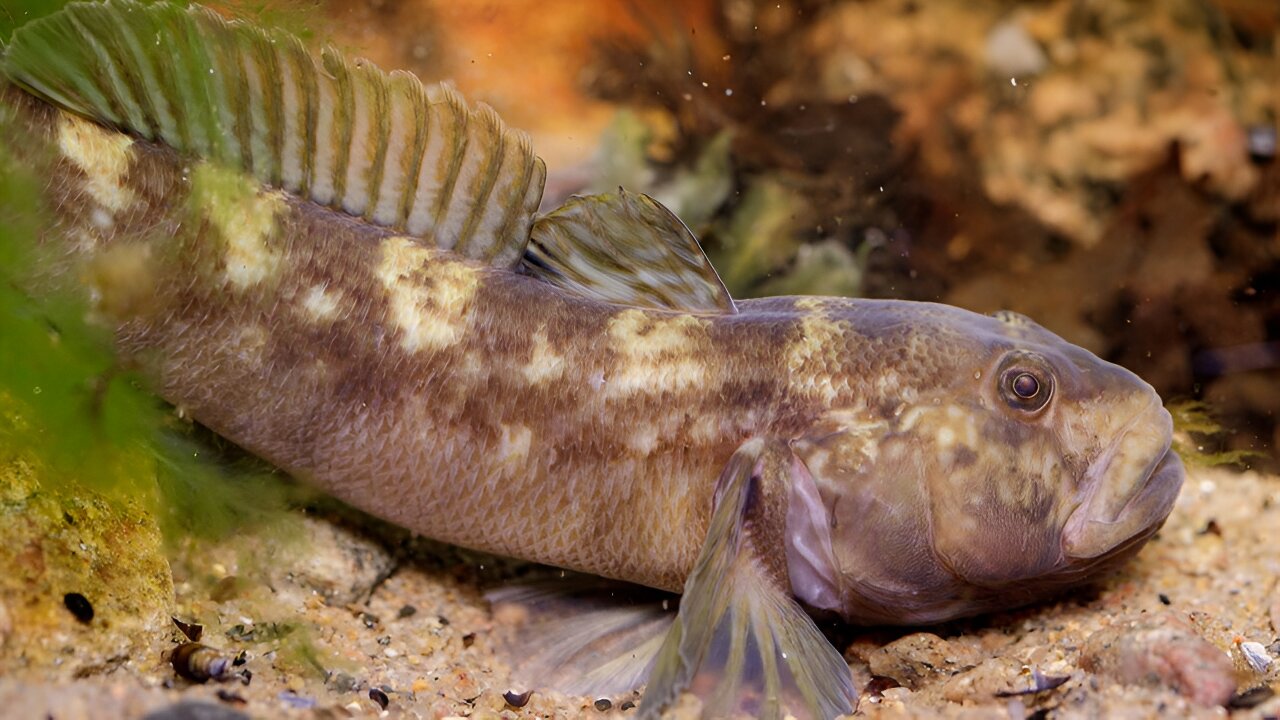
In Denmark, four invasive marine species have been recorded, including the comb jelly Mnemiopsis leidyi and the round goby, a fish originating from the Black and Caspian Seas. The round goby was introduced into Danish waters through ship ballast water 15-16 years ago and has since established itself in the waters of southern Denmark.

Researchers at DTU Aqua have been studying the round goby and have found that it is a successful invasive species, capable of thriving in a variety of aquatic environments and outcompeting native species for food and habitat. However, little is known about the damage the round goby is causing to Danish ecosystems, and more research is needed to understand its impact.

To address the lack of knowledge about invasive marine species in Denmark, researchers at DTU Aqua have developed an underwater robot called ESP (Environmental Sample Processor) that can identify species using DNA analyses. The robot can operate in water for up to three months, taking samples of the water and identifying up to five different species. This technology has the potential to provide a wealth of information about invasive species in a cost-effective way.

The ESP is currently being used in a collaboration project with Iceland to monitor humpback salmon, an invasive species in Icelandic streams. In 2024, a third-generation ESP will be used in a project with Ørsted and the Danish Environmental Protection Agency to map the biodiversity of offshore wind farms at Horns Rev and Anholt in Denmark.

Invasive species can come at a high price for both the environment and the economy. In Denmark, Pacific oysters are spreading in the Limfjord and other areas, outcompeting native mussels and disrupting the ecosystem. The international researchers behind the IPBES report estimate that the global economic costs caused by invasive species in 2019 amounted to nearly DKK 3,000 billion.

Professor Jens Kjerulf Petersen from DTU Aqua is calling for an increased focus on reducing the spread of invasive species in Danish waters. "It's widely accepted that we can't get rid of invasive marine species. But we could limit their spread, just like we do with hogweed, Rosa rugosa, and the black rat. No one expects them to be eradicated completely, but we still spend considerable amounts on reducing the damage they do to our environment. We should do the same for our aquatic environment."


Previous Post

Dolphins and Fishers: Both Losers in the Mediterranean Sea off Morocco

Next Post

Uncovering the Secrets of Ancient Egypt's Sacred Baboons

Comments