Dolphins and Fishers: Both Losers in the Mediterranean Sea off Morocco
-
 Loading...
 - Vittoria Marino
- 14 Aug 2024
- 50 Views
- 0 Like
- 0 Comment
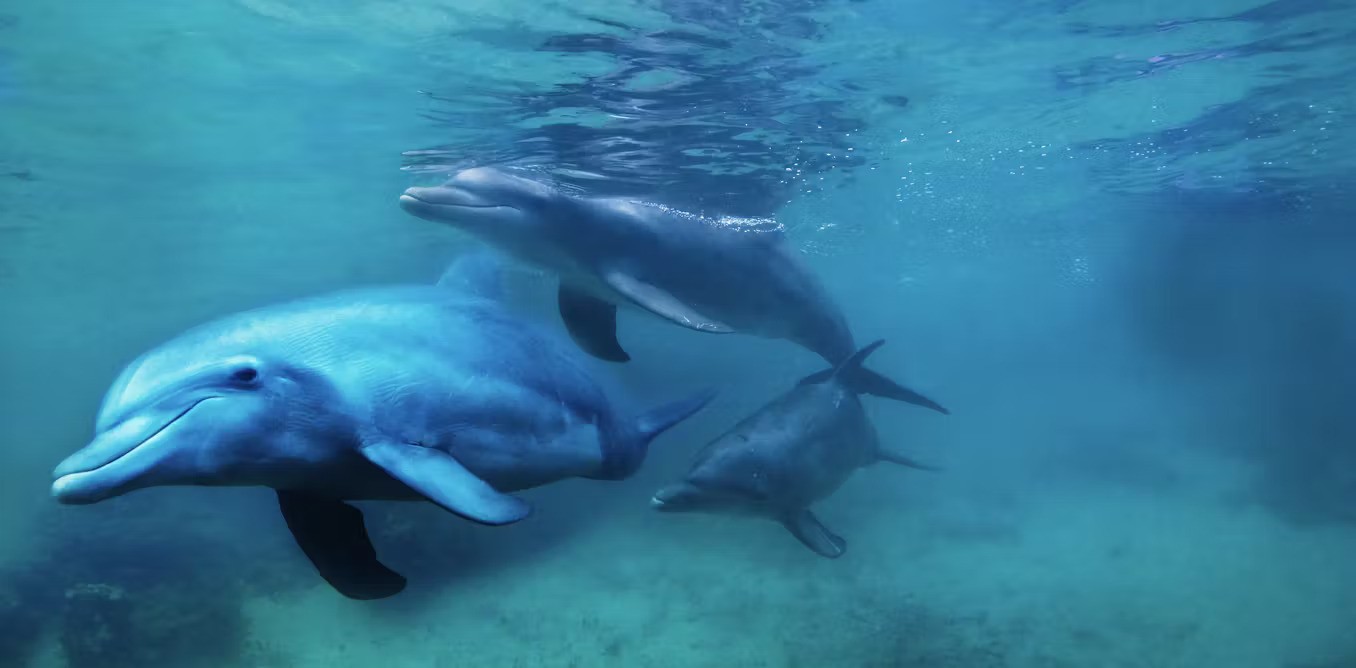
In the Mediterranean Sea off Morocco, a complex conflict is unfolding between bottlenose dolphins and fishers. Hundreds of boats equipped with large nets, known as purse seines, venture out six days a week to catch small pelagic fish. However, dolphins have learned to attack the catch and pierce the nets, causing significant economic losses for fishers and putting the dolphins themselves at risk of injury or death.
The Economic Impact
The Food and Agricultural Organisation estimates that fishers in Morocco lose up to 36% of their catch due to dolphin interference, with annual losses per ship ranging from 9% to 19%. The exact economic toll is difficult to quantify, but it is clear that the conflict is taking a significant bite out of the fishing industry's profits.
The Dolphin Perspective
Bottlenose dolphins are attracted to the concentrated fish in the nets and prey on them, sometimes getting caught in the process. This can result in death or physical injury to the dolphins. A recent study in Al Hoceima Bay found that an average of two dolphins were caught per trip, with 11 fatalities observed during 48 fishing trips. The Mediterranean bottlenose dolphin subpopulation is currently classified as "Least Concern" by the International Union for Conservation of Nature, but there are concerns about its decline.
The Fisher's Plight
Moroccan fishers are frustrated by the negative impacts of dolphin behavior on their industry. The damage to fishing gear is costly, with repairs estimated at $179.52 per incident. The time spent repairing nets can range from 24 to 72 hours, during which fishers must use spare nets or hire additional labor. The economic losses are significant, with the port city of Al Hoceima experiencing a decline in fishing trips and catches in recent years.
A Call to Action
To address this conflict, further research is needed into bottlenose dolphin behavior and mitigation strategies. This could include the use of acoustic devices to deter dolphins from purse seines and the development of alternative fishing techniques. A compensation scheme should also be established to support fishers and promote the ecological and economic sustainability of the purse-seine fishery.
Ultimately, both dolphins and fishers are losing out in this conflict. By working together to find solutions, we can protect the Mediterranean bottlenose dolphin population and support the livelihoods of Moroccan fishers.