China's Sanjiangyuan bolsters biodiversity conservation efforts
-
 Loading...
 - Banyu Saputra
- 08 Jun 2023
- 67 Views
- 0 Like
- 0 Comment
China has made remarkable progress in safeguarding the rich biodiversity of the Sanjiangyuan region in the Qinghai Province, situated in northwest China. Referred to as China's "water tower," the Sanjiangyuan area encompasses the headwaters of three major rivers: the Yangtze, Yellow, and Lancang. With an average altitude exceeding 4,700 meters, the Sanjiangyuan National Park stands as the world's highest national park, covering an expansive area of 190,700 square kilometers. Notably, it harbors an exceptional concentration of biodiversity at such extreme altitudes.
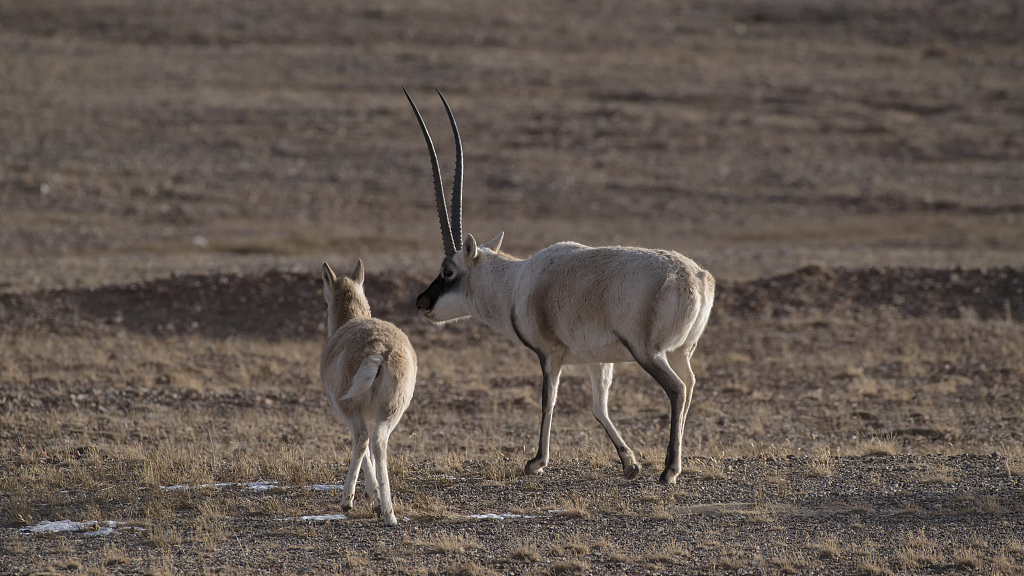
Each year, during the months of May to late July, tens of thousands of pregnant Tibetan antelopes migrate to Hoh Xil to give birth and raise their young. In the 1980s and 90s, rampant poaching significantly depleted the Tibetan antelope population in Hoh Xil, reducing it to less than 20,000. However, thanks to the diligent anti-poaching measures and biodiversity preservation initiatives implemented by the country in recent years, Hoh Xil now proudly shelters over 70,000 Tibetan antelopes. Consequently, the conservation status of Tibetan antelopes in China has transitioned from "endangered" to "near threatened."
Ever since the establishment of the Longbao National Nature Reserve in the Sanjiangyuan area in 1984, the reserve has witnessed a remarkable increase in its avian species diversity, surging from 30 to 138 species. Pasang Tsering, the administrative head of the reserve, reports that the black-necked crane population, a species under first-class national protection, has soared from a few dozen to over 200. Additionally, at its peak, the reserve hosted more than 10,000 bar-headed geese.
This year, the reserve has received international recognition as a "wetland of international importance." Pasang Tsering further emphasizes that comprehensive and systematic measures will be implemented to safeguard the ecosystem and biodiversity of the reserve.
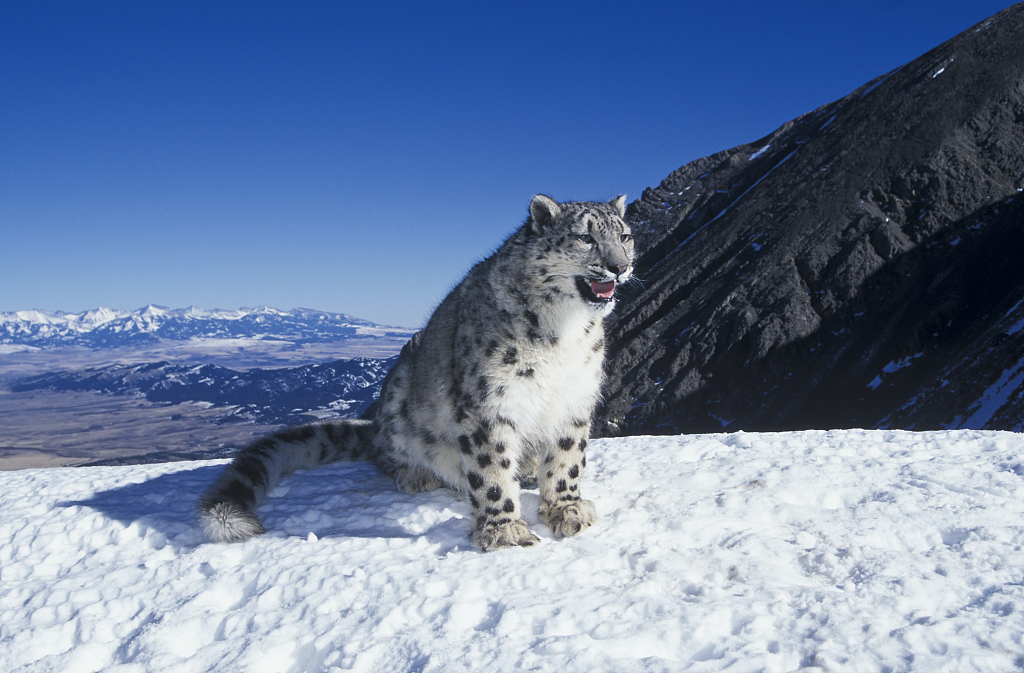
Namse Town in Qinghai's Yushu Tibetan Autonomous Prefecture, also situated within the Sanjiangyuan area and traversed by the Lancang River, is renowned as the "hometown of snow leopards." This reputation stems from the frequent sightings of this highly protected species, which receives the highest level of national protection in China. Namse is home to more than 80 individual snow leopards, coexisting alongside other remarkable creatures like lynxes and white-lipped deer.
Tian Jian, the chief engineer of the forestry and grassland bureau of Qinghai Province, proudly announces that approximately 85 percent of wildlife habitats in the province are now under natural conservation management. As a result, the population of rare and endangered wild animals has experienced a significant increase.
Zhang Yu, an official from the bureau, highlights the tremendous strides made in the past decade concerning the protection and research of rare and endangered wild plants in Qinghai. By fostering the development of a comprehensive reserve system centered around national parks, more than 75 percent of the province's wild plants have been effectively safeguarded. This concerted effort has contributed to the establishment of a national gene bank, preserving the genetic resources of wild organisms on the Qinghai-Xizang Plateau.