Vietnam Unveils 158 Newly Discovered Species During 2021-2022

A recent report released by the World Wide Fund for Nature (WWF) reveals that Vietnam has made remarkable discoveries, unveiling 158 new species during the period of 2021-2022. This significant finding has shed light on the biodiversity of the Greater Mekong Sub-region, encompassing Vietnam, Cambodia, Laos, Myanmar, and Thailand. Within this region, scientists have identified 380 previously unknown species of vascular plants and vertebrate animals.
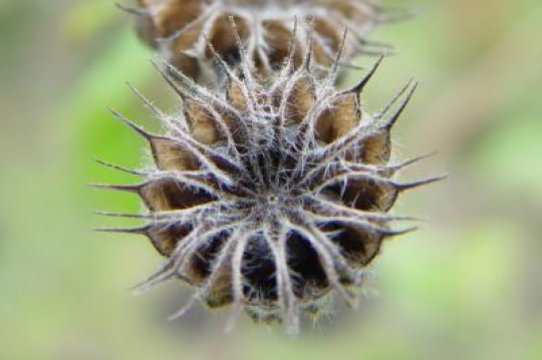
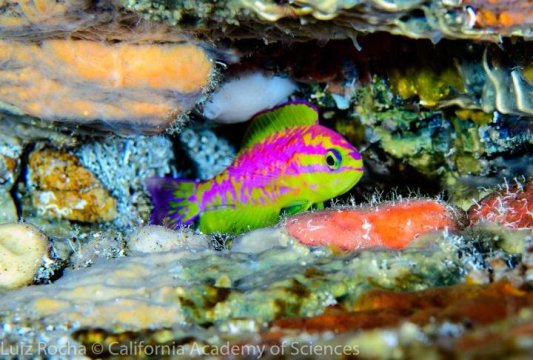
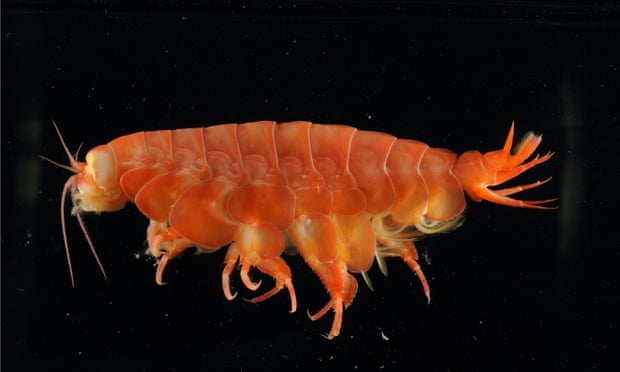
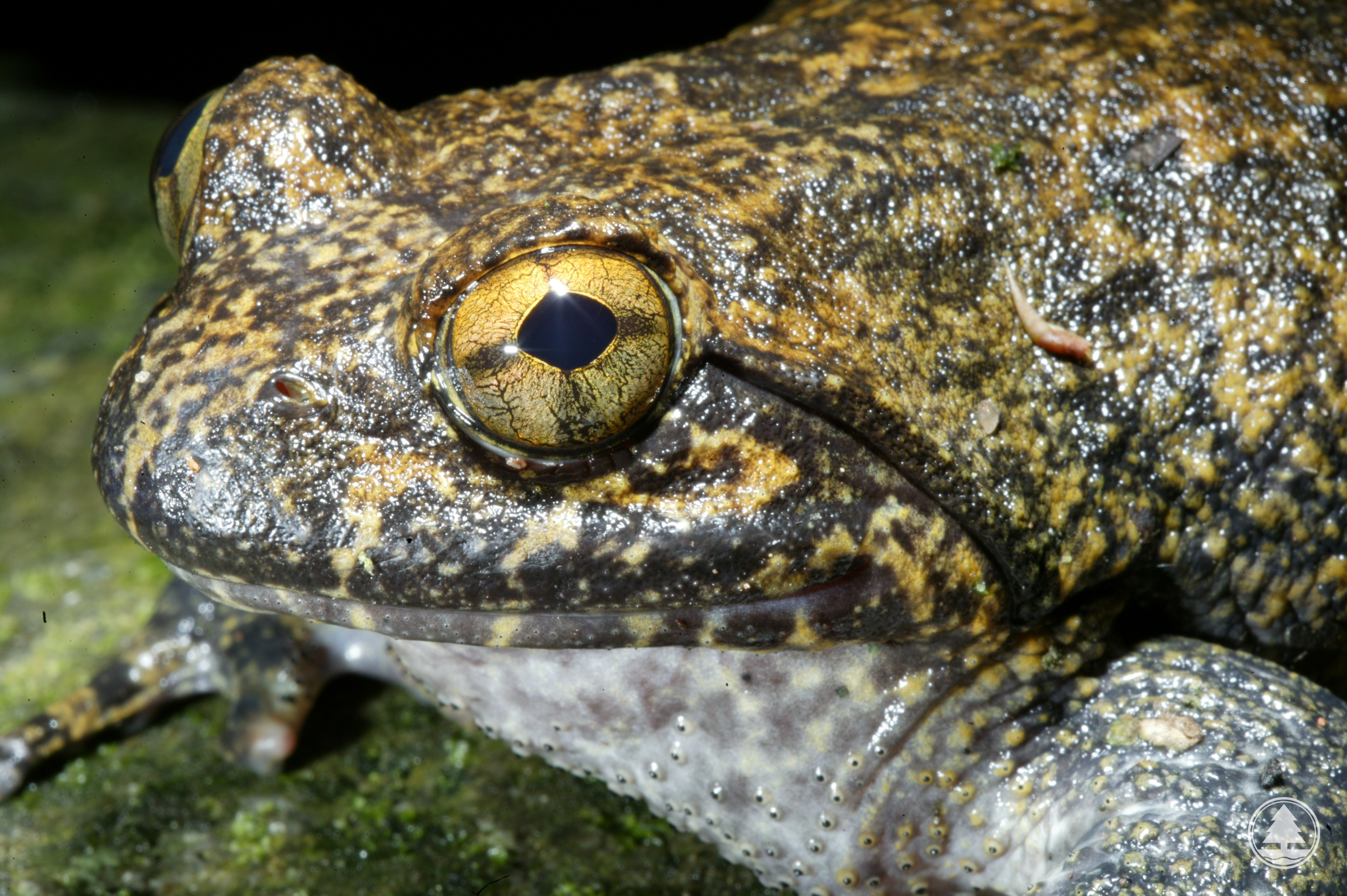
Notably, the newly found species consist of 290 plants, 19 fish, 24 amphibians, 46 reptiles, and one mammal. Several of these discoveries have gained international recognition among the scientific community. For instance, the Cat Ba begonia (Begonia catbensis) was found thriving in the limestone hills of Cat Ba National Park. Additionally, the Quasipaa taoi frog species was discovered on the majestic Ngoc Linh Mountain, the highest peak in central Vietnam. Another remarkable find is the Intermedius sunbeam snake, spotted within the central Truong Son region of Vietnam.
The Greater Mekong Sub-region, an integral part of the Indo-Burma biodiversity hotspot, plays host to globally iconic and endangered species such as tigers, Asian elephants, Sunda pangolins, and giant freshwater stingrays. Since 1997, this region has been a hotbed for species discovery, with a total of 3,390 species identified to date, including vascular plants, fish, amphibians, reptiles, birds, and mammals.
The report emphasizes the urgent need for action to mitigate the risk of species extinction and combat wildlife trafficking in Vietnam and the surrounding region. To address these challenges, the Biodiversity Conservation Partnership, funded by the United States Agency for International Development (USAID), is spearheading "rewilding" initiatives in national parks and nature reserves throughout Vietnam. This program conducts thorough scientific analyses of specific animal species, particularly in Vietnam's Truong Son region, to gather vital information for establishing sustainable breeding populations that can eventually be reintroduced into the wild after 10-15 years. The partnership also plans to establish rescue centers with optimal conditions to care for priority species under captive conditions, particularly in central Vietnam.
Looking ahead, the Ministry of Natural Resources and Environment will collaborate closely with relevant ministries, departments, localities, and organizations to refine legal frameworks concerning nature conservation and biodiversity. Additionally, guidelines and directives will be developed to restore natural ecosystems, thereby contributing to biodiversity preservation, disaster prevention, climate change adaptation, and sustainable development.
Furthermore, the ministry aims to enhance the capacity of state management agencies and officials responsible for nature conservation and biodiversity. It will also establish effective mechanisms for coordination between state management agencies, political-social organizations, and development partners in this field.