A Guide to Zagori, Greece’s Undiscovered Northwestern Corner
-
 Loading...
 - Vittoria Riva
- 28 Mar 2023
- 60 Views
- 0 Like
- 0 Comment
From plunging gorges to glacial rivers and timeworn stone villages.
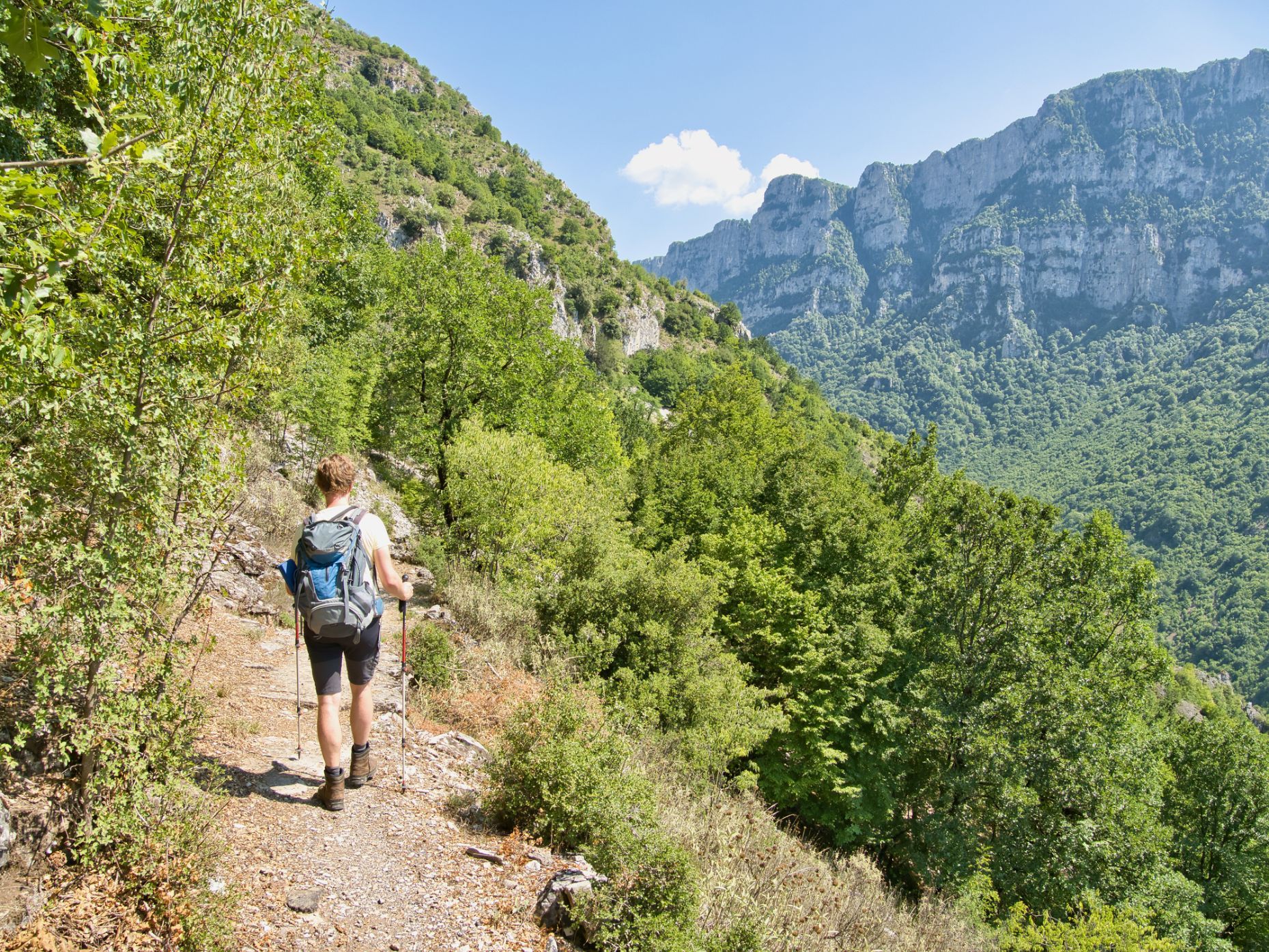
The region of Zagori is nestled in the rugged Pindos Mountains of Epirus, in northwestern Greece. It consists of 46 stone villages (known as Zagorohoria) scattered across an area of 1000 square kilometres. These ancient settlements are nestled into the deep forests, craggy mountains and limestone gorges of the area. They’re connected by a network of stone steps and bridges that seemed to come straight out of a fairytale, which were used to move between the villages until a modern road network opened in the 1950s. Now they make for spectacular hiking trails.
You won’t see many other people on your trip to Zagori. But you might well encounter wildlife. Zagori’s Vikos Aoos National Park is home to 120 different bird species - including 15 raptor species - alongside brown bears, foxes, otters, lynxes and more. The wildlife, the silence - save for a fast flowing river or the wind rustling through the trees - and the rugged scenery make Zagori feel like a world apart from the fly and flop beaches of the Greek islands, or the bustling city of Athens.
Is your curiosity piqued? If so, this guide is a good place to start when planning an adventure to Zagori.
When is the Best Time to Visit Zagori?
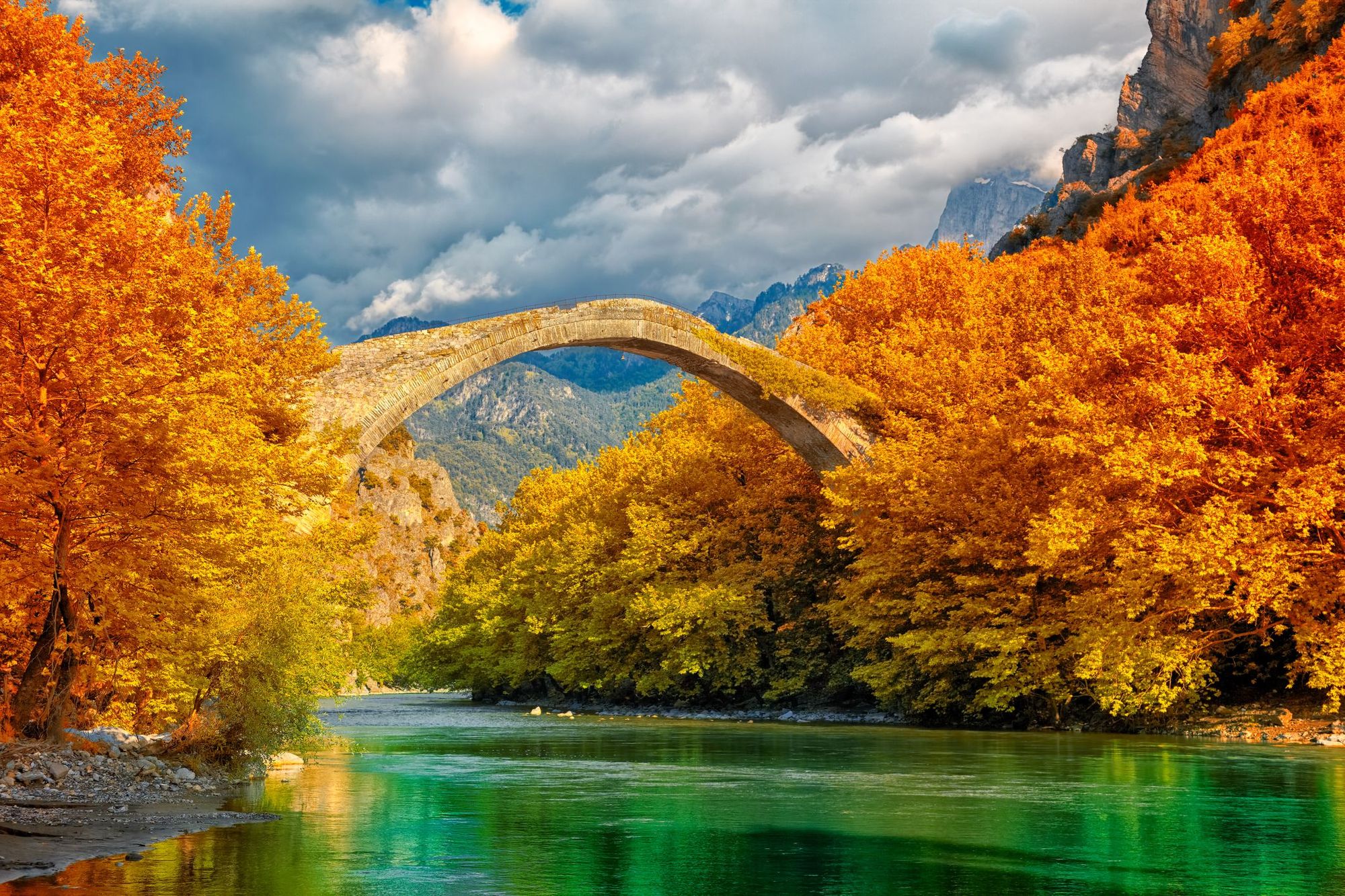
The answer to this question depends very much on what you would like to do in the region. If it’s hiking, we recommend visiting between April and October. From May to July, you’ll be treated to an abundance of wildflowers in the Zagorian meadows - a heady, ever-changing palette of white narcissus and star of Bethlehem to scarlet poppies and purple-flowering sage. In September and October, the woodlands blaze with autumnal colours as the leaves of the oak and maple turn red and gold. Read More…