After A TikTok Ban, Is Gaming Overlord Tencent The Next Target?
-
 Loading...
 - Mira Farago
- 21 Jan 2025
- 33 Views
- 0 Like
- 0 Comment
The recent chaos surrounding the TikTok ban in the U.S. has raised questions about the potential for similar actions against other foreign companies, particularly those from China. With TikTok's parent company, ByteDance, facing scrutiny and backlash, the focus may shift to Tencent, a major player in the global gaming industry.
As the U.S. government navigates the complexities of banning TikTok, the implications extend beyond social media. ByteDance's gaming title, Marvel Snap, was unexpectedly taken offline due to its association with the company, highlighting the collateral damage that can occur when a government targets a specific app. This situation has sparked discussions about the potential for broader actions against other Chinese companies, especially in the tech and gaming sectors.
Tencent is a colossal entity in the gaming world, owning or holding significant stakes in some of the largest game developers and publishers globally. Its portfolio includes:
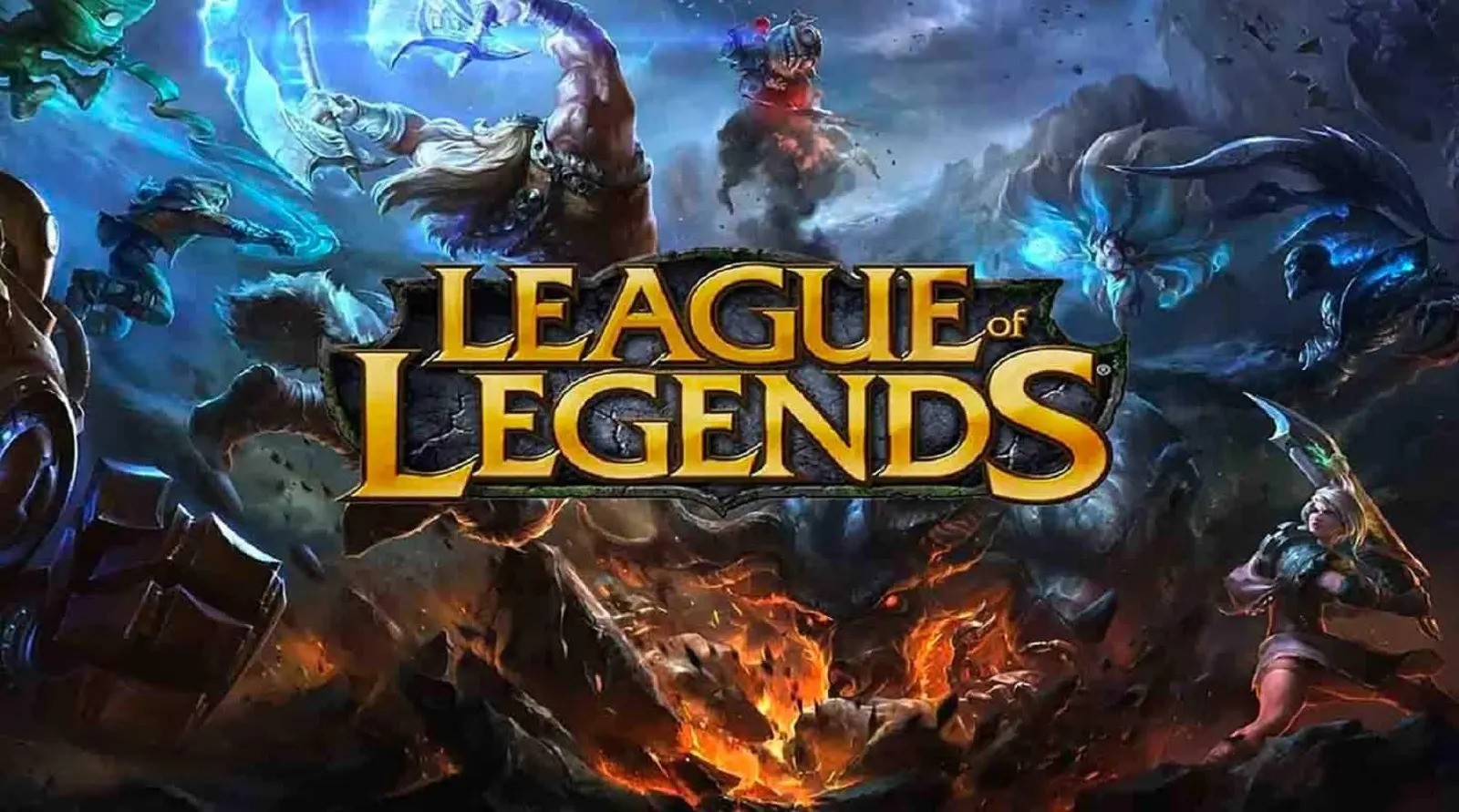
i. 100% ownership of Riot Games, the creator of popular titles like League of Legends and Valorant.
ii. Significant stakes in Supercell (known for Clash of Clans and Clash Royale) and Grinding Gear Games (makers of Path of Exile).
iii. A 29% stake in Epic Games, the developer of Fortnite and the widely used Unreal Engine.
iv. Minority stakes in various other companies, including Ubisoft, Bluehole, Remedy, and Platinum Games.
Given this extensive involvement in the gaming industry, any move by the U.S. government to target Tencent could have devastating consequences for the gaming landscape, particularly if it involves divesting from U.S.-based companies.
The narrative surrounding ByteDance was largely centered on national security risks associated with a Chinese company distributing an app widely in the U.S. While Tencent does not have a single app like TikTok, its deep integration into major games played by millions of Americans, especially children, could be framed as a "harmful" influence. The U.S. Defense Department has recently suggested that Tencent has ties to the Chinese military, a claim the company has vehemently denied, stating that it is neither a military company nor involved in military-civil fusion.
If the U.S. government were to target Tencent, it could demand that the company divest its stakes in U.S. gaming companies or risk facing bans on popular games. This scenario, which might have seemed far-fetched a year ago, now appears more plausible in light of the government's willingness to take drastic measures against foreign entities.
The implications of such actions would be significant. For instance, if Tencent were forced to divest from Riot Games, it could disrupt the operations of League of Legends and Valorant, both of which have massive player bases in the U.S. Additionally, other Chinese gaming companies, such as HoYoverse (known for Genshin Impact) and NetEase, could also find themselves under scrutiny.
While it may not be likely that the U.S. government will take immediate action against Tencent, the recent developments surrounding TikTok have opened the door to potential scrutiny of other Chinese companies in the tech and gaming sectors. As regulators become more aware of the extent to which Chinese firms are integrated into the U.S. gaming landscape, concerns about national security and influence may lead to increased pressure for regulatory action. For now, the future remains uncertain, but the situation warrants close attention as the dynamics of international business and national security continue to evolve.