AgriLAC Resiliente presented in Guatemala
-
 Loading...
 - Aaretti Timoteus
- 19 Jul 2022
- 98 Views
- 0 Like
- 0 Comment
Latin America and the Caribbean possess the largest reserve of arable land on the planet, 30% of renewable water, 46% of tropical forests and 30% of biodiversity. These resources represent an important contribution to the world’s food supply and other ecosystem services. However, climate change and natural disasters, exacerbated by COVID-19, have deteriorated economic and food security, destabilizing communities and causing unprecedented migration, impacting not only the region but the entire world.
Against this regional backdrop, AgriLAC Resiliente was created. This CGIAR Initiative seeks to increase the resilience, sustainability and competitiveness of the region’s agrifood systems and actors. It aims to equip them to meet urgent food security needs, mitigate climate hazards, stabilize communities vulnerable to conflict and reduce forced migration.
Guatemala was selected to present this Initiative, which will also impact farmers in Colombia, El Salvador, Honduras, Mexico, Nicaragua and Peru, and will be supported by national governments, the private sector, civil society, and regional and global donors and partners.
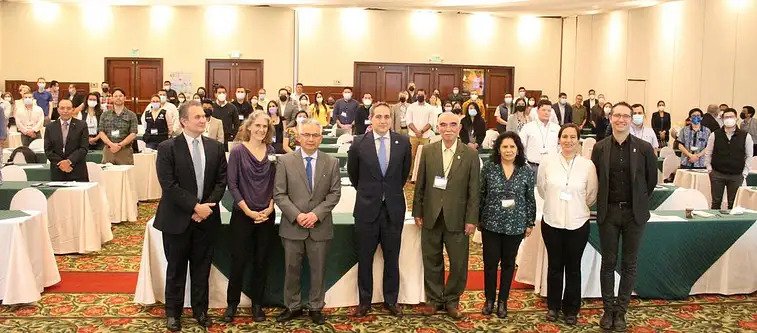
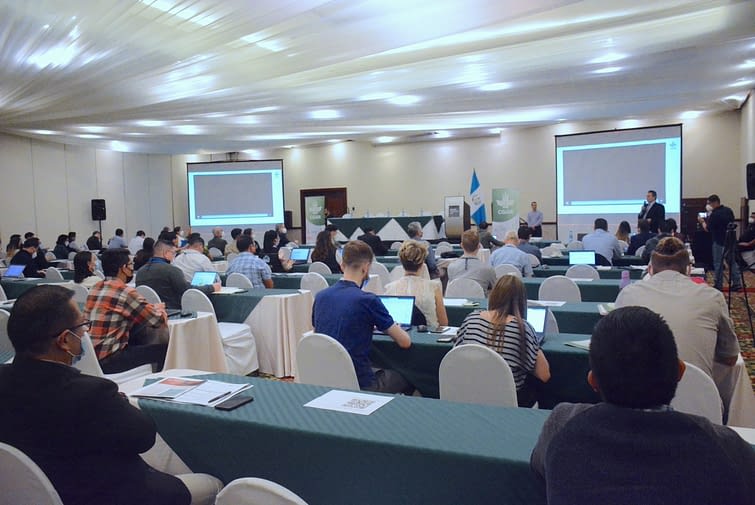
At a workshop on June 27–28, 2022, in Guatemala City, partners consolidated their collaboration by presenting the Initiative and developing a regional roadmap. Workshop participants included representatives from the government of Guatemala, NGOs, international cooperation programs, the private sector, producer associations, and other key stakeholders from the host country. Also at the workshop were the leaders from CGIAR research Centers involved in the Initiative, such as the Alliance of Bioversity International and the International Center for Tropical Agriculture (CIAT), the International Maize and Wheat Improvement Center (CIMMYT), the International Potato Center (CIP) and the International Food Policy Research Institute (IFPRI).
Impact through partnerships
“Partnerships are the basis for a future of food security for all through the transformation of food systems in the context of a climate crisis. AgriLAC’s goal of a coordinated strategy and regional presence will facilitate strong joint action with partners, donors, and producers, and ensure that CGIAR science continues to be leveraged so that it has the greatest possible impact,” said Joaquín Lozano, CGIAR Regional Director for Latin America and the Caribbean.
This Initiative is one of many CGIAR Initiatives in Latin America and consists of five research components: Climate and nutrition that seeks to use collaborative innovations for climate resilient and nutritious agrifood systems; Digital agriculture through the use of digital and inclusive tools for the creation of actionable knowledge; Low-emission competitiveness focused on agroecosystems, landscapes and value chains that are low in sustainable emissions; Innovation and scaling with the Innova-Hubs network for agrifood innovations and scaling; and finally, Science for timely decision making and establishment of policies, institutions, and investments for resilient, competitive and low-emission agrifood systems.
“We know the important role that smallholder farmers, both women and men, will play in the appropriation of the support tools that the Initiative will offer, which will allow them to make better decisions for the benefit of their communities. That is why one of the greatest impacts we expect from the project will be the contribution to gender equality, the creation of opportunities for youth, and the promotion of social inclusion,” said Carolina González, leader of the Initiative, from the Alliance of Bioversity International and CIAT.
Bram Govaerts, Director General of CIMMYT, said: “In Guatemala, we have had the opportunity to work side by side with farmers who today, more than ever, face the vicious circle of conflict, poverty and climate change. Through this Initiative, we hope to continue making progress in the transformation of agrifood systems in Central America, helping to make agriculture a dignified and satisfying job and a source of prosperity for the region’s producers.”
“I realize the importance of implementing strategic actions designed to improve the livelihoods of farmers. The environmental impact of development without sustainable planning puts at risk the wellbeing of humanity. The Initiatives of this workshop contribute to reducing the vulnerability of both productive systems and farmers and their families. This is an ideal scenario to strengthen alliances that allow for greater impact and respond to the needs of the country and the region,” said Jose Angel Lopez, Guatemala’s Minister of Agriculture, Livestock and Food. Read More...