Airlines Push Back On UK Travel Permit Price Hike
-
 Loading...
 - Valeria Barrera
- 22 Jan 2025
- 118 Views
- 0 Like
- 0 Comment
The UK government's proposal to increase the fee for the newly introduced Electronic Travel Authorization (ETA) by 60% has drawn significant criticism from the aviation industry. The International Air Transport Association (IATA) has described the move as “bewildering,” especially given the timing of the announcement just days after the ETA system went live for non-European visitors.
The ETA became a requirement for non-European visitors to the UK starting January 8, 2025, with an initial fee of £10 ($12) for multiple visits over a two-year period or until the passport expires, whichever comes first. From April 2, 2025, European travelers will also need an ETA to enter the UK. The UK government has clarified that an ETA is not a visa but rather a digital permission to travel.
However, on January 16, just eight days after the ETA was implemented, the UK Home Office proposed raising the maximum fee from £10 to £16. This increase is part of broader immigration measures aimed at generating an additional £269 million in annual revenue, which the government claims will help reduce border control costs for UK taxpayers. The government asserts that ETAs will contribute to a “streamlined, digital immigration system” that is both quicker and more secure.
IATA Director General Willie Walsh criticized the proposed fee hike, stating it could harm the UK’s tourism competitiveness. He pointed out that the government aims to increase tourist arrivals by 30%, targeting 50 million visitors annually by 2030. Walsh highlighted that UK travelers already face the Air Passenger Duty (APD), which is the highest travel tax globally and is set to increase further in April.
“Proposing to increase ETA costs just a week after the system was introduced is bewildering,” Walsh remarked. He also noted that the European Union's European Travel Information and Authorization System (ETIAS) offers better value, costing about a third of the proposed UK fee and lasting a year longer.
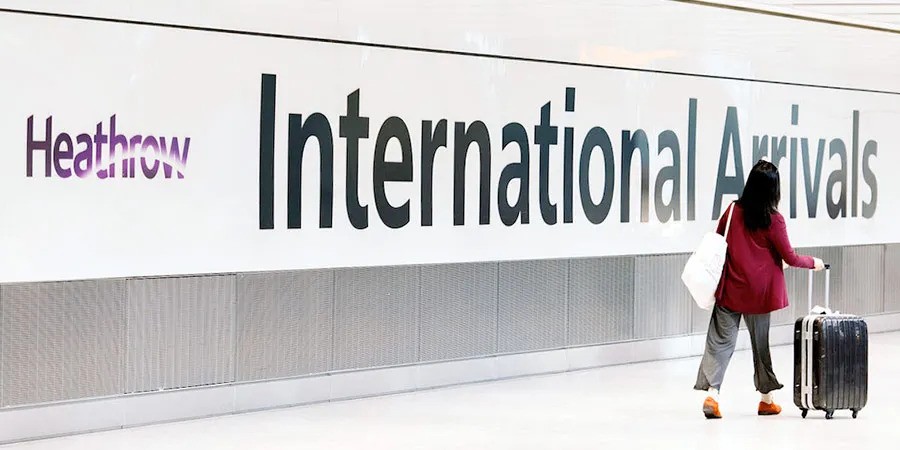
In response to feedback from aviation stakeholders, the UK government announced a temporary exemption from ETA fees for UK airside transit passengers, as they do not pass through border control. This exemption primarily affects Heathrow and Manchester airports, the only UK airports currently offering transit facilities. The government stated that this exemption would be kept under review.
Airlines UK, representing major UK operators such as British Airways, easyJet, and Virgin Atlantic, welcomed the transit fee exemption as a “pragmatic step.” However, CEO Tim Alderslade expressed disappointment over the proposed increase in ETA costs to £16, which he noted is nearly three times the cost of the EU equivalent.
The UK aviation and tourism sectors currently support 1.6 million jobs and contribute approximately $160.7 billion to the UK GDP. The proposed fee increase and the overall regulatory environment could have significant implications for the industry, particularly as it seeks to recover from the impacts of the COVID-19 pandemic and compete with other European destinations.
The UK government's plan to raise the ETA fee has sparked considerable backlash from the aviation industry, which argues that the increase could undermine the country’s tourism competitiveness. As the government aims to boost visitor numbers and streamline immigration processes, balancing revenue generation with the need to attract travelers will be crucial for the future of the UK’s aviation and tourism sectors. The ongoing discussions and potential adjustments to the ETA framework will be closely watched by industry stakeholders and travelers alike.