"All that I am is reflected in my songs"
-
 Loading...
 - Ryan Taylor
- 11 Jul 2022
- 107 Views
- 0 Like
- 0 Comment
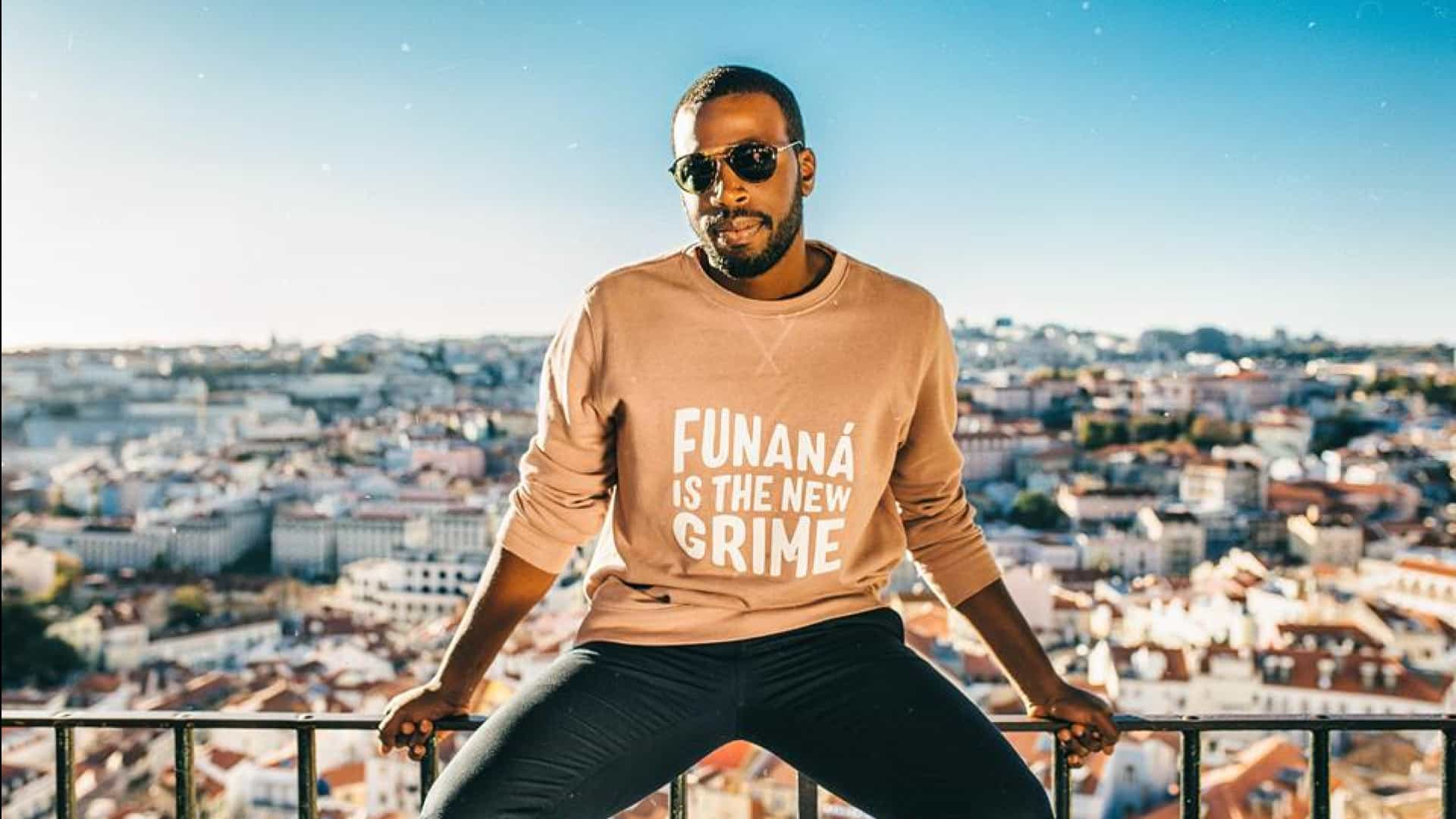
It is an increasingly unavoidable name in Portuguese music. Singer and composer Dino D'Santiago, of Cape Verdean descent, has been able to combine the characteristic sounds of the African universe with the particularities of electronic music in a special way - which has given him, in recent times, a growing recognition at home and abroad.
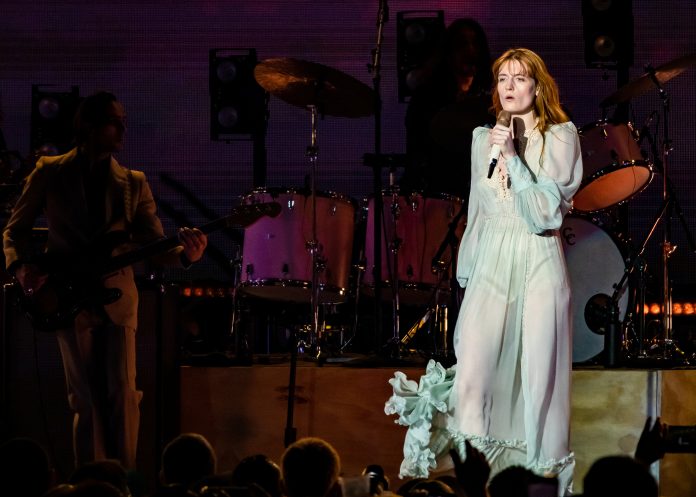
On Wednesday, he would achieve a goal he had set for several years: to work at NOS Alive, as he confided in an interview with Notícias ao Minuto during the event. This was a moment that, in the artist's words, marks “a before and an after” in his career – although he says he has no expectations about what is to come.
In addition to being a musician, Dino's true identity is inseparable from two other aspects, very present in his life: activism and fatherhood. In this interview, held at the NOS Alive venue, we talked about these topics and many others, namely the impact that the pandemic had on his creative process and the “empathy” he has received from various parts of the world.
I never get nervous when I go on stage. I'm just extremely anxious, because I visualize so much what's going to happen that I'm in such a flooded state that then I have to squander it.
This was his first concert here at NOS Alive. What does that mean?
When we started to design this new path, in which I married the traditional with electronic music, the goal was NOS Alive. This was in 2016. Everything that has happened so far, which we already feel has been wonderful, for me it was just an internship. For me, there is a before and after this concert. I don't know how it will be afterwards, I prefer to focus only on what happens on stage. I always think that I will be received with all the love and that I will overflow all that love in return.
His origins have a great influence on what is his musical identity, they are very intertwined. Do you think that's what also makes your music interpreted as special?
I think it makes people feel more empathetic. Fortunately today everything is shared very quickly and almost in real time and you can get a reaction to a song that moved a person. Often, the person who receives your song can experience it more intensely than you, who were writing it at that moment. You processed everything from pen to paper, but that person who then receives the song manages to transfer it into their life.
Imagine being in Portugal and receiving a message from São Paulo saying that, upon hearing your song, they changed their minds and no longer ended their lives. That when they heard your music, they thought that everything was going to be all right after all. And I have other reports of people who abandon their profession and take risks just because they heard the song 'Ariscar'. And you think about the impact that your writing has on your individual process and on your growth, because we are all going through processes of this nature.
And what makes you most happy? The moment of acting, of presenting the songs to everyone, or the creative process, of writing?
I never get nervous when I go on stage. I'm just extremely anxious, because I visualize so much what's going to happen that I'm in such a flooded state that I have to squander it afterwards. I can always feel what is going to happen before I go on stage, almost backwards. Therefore, I think that what gives me the most pleasure is the moment of sharing.
Even because the songwriting process is hard, because it's my vulnerabilities that end up being exposed. Everything I am is reflected in my songs. If I left today for another plane of life, I feel that, in my songs, people would be able to say they know me, as many people already say. And I understand why, because I don't really filter. It's the only time I can be 100% truthful without political correctness and social mannerism. There, I pour a lot of what I can't say frontally. In my songs, I can't lie to myself when I'm writing.
We have a gigantic diaspora, whether Portuguese or Afro-descendant, and that shows how global we are to limit ourselves only to this territory, to this rectangle in Europe.
He spoke precisely of the fact that his songs are increasingly reaching beyond borders, not least because he has received very good reviews abroad, from some international media. What has been the impact of this reality on his career?
Of course, things have already happened that help catapult all of this into another universe. Being considered by the United Nations (UN) as one of the 100 most influential Africans in the world, for example, made it reach many more people. This arouses the attention of the curious and when they see or hear, then they end up identifying with the message and there is a constant feedback. This has happened to me a lot, from South Korea to the United States of America, passing through Canada and Malaysia, I have received a lot of feedback from all these corners of the world.
Especially because we have a gigantic diaspora, whether Portuguese or Afro-descendant, and that shows how global we are to limit ourselves only to this territory, to this rectangle in Europe. So it's important to use this platform, which is the language, to get further and further. And I feel that this merging of the African rhythm with the Portuguese language and its derivatives, such as Creole, has helped me to get very far. People don't even understand what I say, but the message is contagious thanks to the intensity that is deposited. This is the main feedback I have had at an international level. They say they don't understand me, but they can feel the intention. Read More…