Allowing Solutions to Speak To One Another – The Importance of Interoperability
-
 Loading...
 - Emma Gagnon
- 09 Sep 2022
- 73 Views
- 0 Like
- 0 Comment
Companies that use software to streamline daily operations typically depend on more than just one solution. Coordinating a business’s software stack can be a major challenge, especially if it uses tools from various vendors.
Interoperability in software engineering ensures different tools can work together, even if they aren’t designed with specific integrations in mind.
What Is Interoperability?
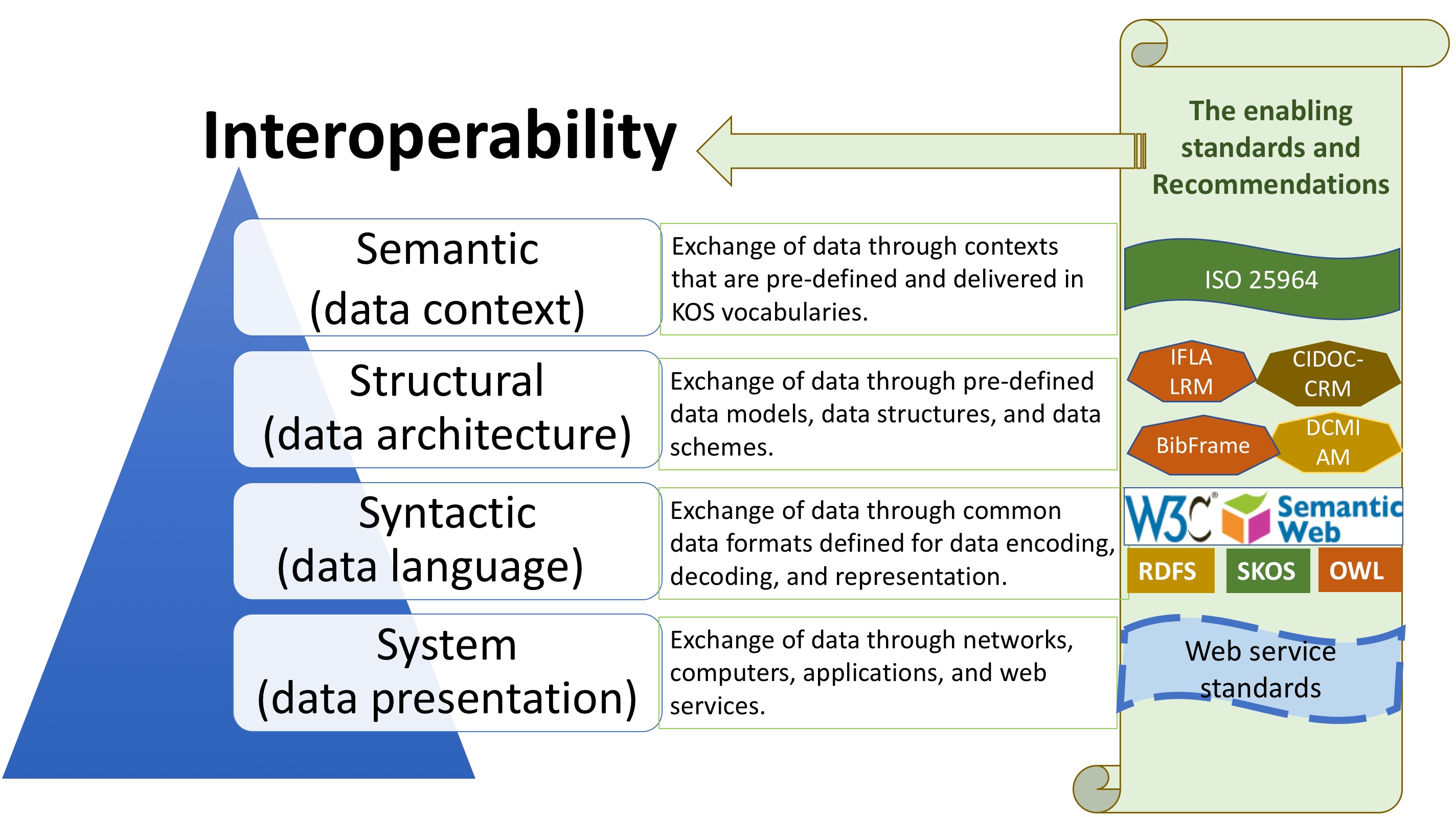
Interoperability is the ability of digital solutions to communicate with one another to share and process data.
Technology writers sometimes describe interoperability as allowing solutions to “speak” to one another. Developers can ensure their software integrates with other solutions by using a common design language.
Data Interoperability can guarantee that a solution works with popular software products, niche technologies, and even tools that don’t yet exist.
Why Is Data Interoperability Important?
Interoperability is becoming increasingly valuable across the economy as organizations of all kinds undergo digital transformation and adopt new software.
The average organization currently uses 110 software-as-a-service solutions, up from just eight in 2015. This number may increase as businesses invest more heavily in technology.
Coordinating and orchestrating these solutions can be a significant undertaking. Without interoperability, businesses effectively need to develop entirely new solutions or workflows that allow for communication between different tools in the software stack. In some cases, they may need to create manual processes to exchange data between two solutions.
Interoperability makes integrating these diverse solutions much easier — or even more seamless.
Interoperability does have its drawbacks. Relying on insecure ports and protocols can leave business networks vulnerable to cyberattacks. Companies that adopt a solution that relies on insecure protocols to communicate with other software may weaken their security posture. However, the right cybersecurity practices can generally offset the risks of interoperability. Read More...