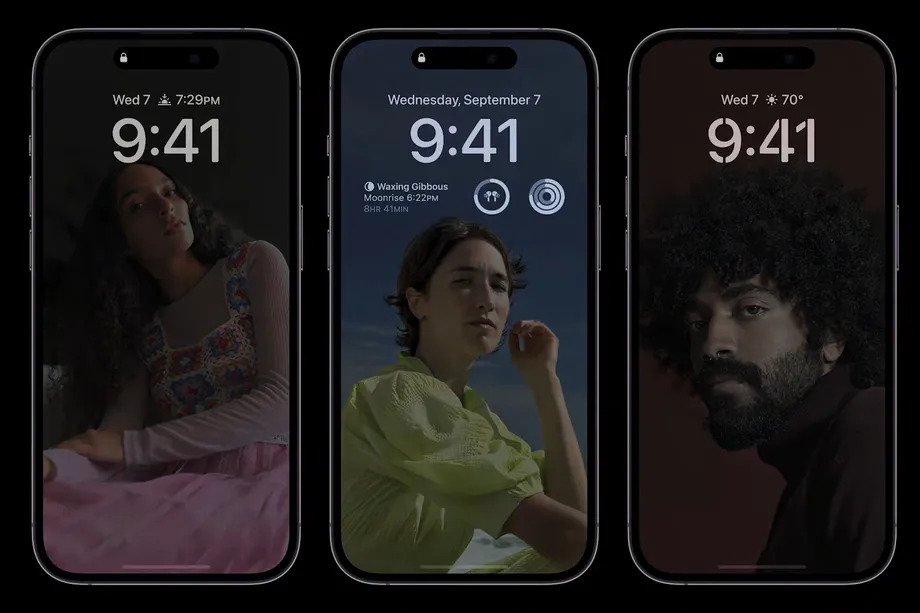
The iPhone 14 Pro's always-on display, explained
-
 Loading...
 - Bianca Adane
- 09 Sep 2022
- 67 Views
- 0 Like
- 0 Comment
So, it finally happened. The iPhone 14 Pro and iPhone 14 Pro Max got an always-on display. If you’ve used a modern Android phone, you probably have experience with always-on screens — and need no convincing of why they’re a handy feature — but this is a new thing in iPhone world. And Apple, of course, is doing it a little bit differently than everyone else.
Always-on displays allow a phone to display basic information like the date, time, and notifications even when it’s locked and resting on a table. Typically, your whole display doesn’t remain on, just the most important parts of it. On Google’s Pixel phones, for example, you might see a black screen with just the clock and some app icons lit up. This is particularly useful because you don’t need to tap the phone or pick it up to see important info.
Apple is changing up that formula. Things are a bit different (and, perhaps, a lot better) with Apple’s implementation: instead of an always-on screen that’s mostly off, Apple’s always-on screen remains on, just a lot dimmer.
The next version of iOS, coming out next week, adds widgets and complications to the lock screen. All of those widgets and complications will remain visible on the iPhone 14’s always-on screen, even when the phone isn’t actively in use. Apple’s big twist is that the iPhone will also continue to show your lock screen wallpaper, colors and all, just significantly dimmed down. The whole screen really will remain “always on.”

So why did Apple wait so long to add this feature? At least one reason is that it was waiting on technology that should allow its always-on screen to perform better than competitors. Read More...