An Embroidered Archive of War: Lucie Kamuswekera's Tapestry of Congo's Conflict
-
 Loading...
 - Ernest Marfo
- 19 Sep 2024
- 50 Views
- 0 Like
- 0 Comment
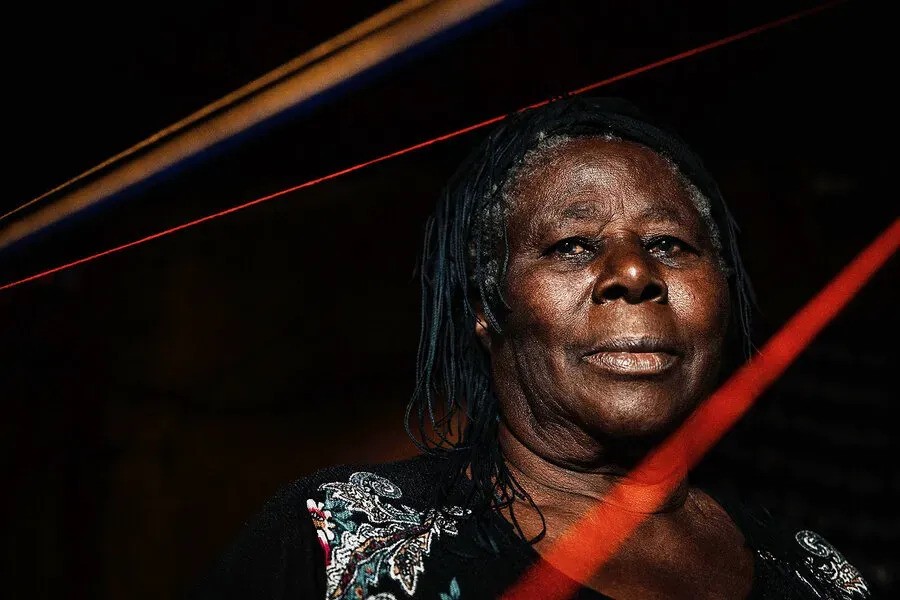
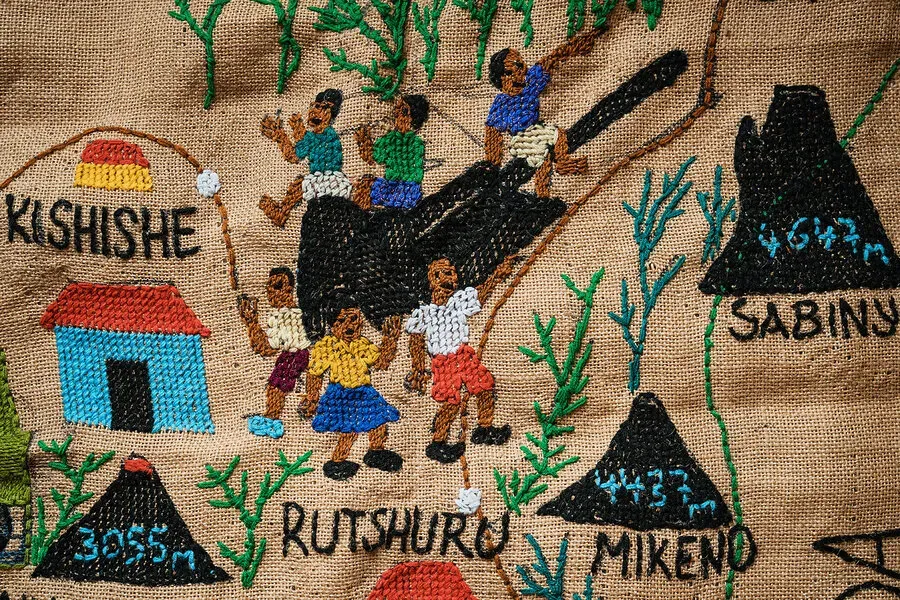
In the midst of the Democratic Republic of Congo's (DRC) ongoing conflict, an 80-year-old embroidery artist, Lucie Kamuswekera, has been stitching together a vibrant archive of the country's brutal history. Based in Goma, Congo, Kamuswekera has spent the last three decades creating intricate tapestries that chronicle the violence and brutality that has ravaged eastern DRC.
Kamuswekera's journey as an embroidery artist began with stitching flowers and birds, but everything changed after her husband was killed in 1997. The trauma of losing her loved one led her to shift her focus to creating tapestries that tell the stories of war, displacement, and human suffering. Her intricate designs, which can take up to five days to complete a single human face, have become a testament to her resilience and determination to preserve the memories of Congo's turbulent past.
Kamuswekera's tapestries are not just a personal reflection of her experiences but also a community-driven archive of Congo's history. She creates many of her pieces from memory, refusing to ignore the past in hope of a better future. She also fills in details with stories from her community, making her work a collective effort to document the country's struggles.
Kamuswekera's story is part of a larger project, Women and War in Eastern Congo, which explores how women are responding to the challenges of ongoing violence and displacement in the country. The project highlights the diverse ways women are coping with the crisis, from art as a form of activism and archival work to taking up arms against M23 fighters.
Despite the ongoing violence and displacement, Kamuswekera remains hopeful for a brighter future. She is teaching her children, grandchildren, and great-grandchildren her craft, ensuring that her legacy will continue to inspire future generations. Her message is clear: "Today I am making pictures of war, because we are in a war. When the war ends, I will make pictures of peace."
The Pulitzer Center has been supporting reporting and engagement on issues in the DRC since its founding in 2006. From lesson plans and student programs to film screenings and public events, the center has been committed to amplifying the voices and stories of those affected by the conflict.