Home Upload Photo Upload Videos Write a Blog Analytics Messaging Streaming Create Adverts Creators Program
Bebuzee Afghanistan Bebuzee Albania Bebuzee Algeria Bebuzee Andorra Bebuzee Angola Bebuzee Antigua and Barbuda Bebuzee Argentina Bebuzee Armenia Bebuzee Australia Bebuzee Austria Bebuzee Azerbaijan Bebuzee Bahamas Bebuzee Bahrain Bebuzee Bangladesh Bebuzee Barbados Bebuzee Belarus Bebuzee Belgium Bebuzee Belize Bebuzee Benin Bebuzee Bhutan Bebuzee Bolivia Bebuzee Bosnia and Herzegovina Bebuzee Botswana Bebuzee Brazil Bebuzee Brunei Bebuzee Bulgaria Bebuzee Burkina Faso Bebuzee Burundi Bebuzee Cabo Verde Bebuzee Cambodia Bebuzee Cameroon Bebuzee Canada Bebuzee Central African Republic Bebuzee Chad Bebuzee Chile Bebuzee China Bebuzee Colombia Bebuzee Comoros Bebuzee Costa Rica Bebuzee Côte d'Ivoire Bebuzee Croatia Bebuzee Cuba Bebuzee Cyprus Bebuzee Czech Republic Bebuzee Democratic Republic of the Congo Bebuzee Denmark Bebuzee Djibouti Bebuzee Dominica Bebuzee Dominican Republic Bebuzee Ecuador Bebuzee Egypt Bebuzee El Salvador Bebuzee Equatorial Guinea Bebuzee Eritrea Bebuzee Estonia Bebuzee Eswatini Bebuzee Ethiopia Bebuzee Fiji Bebuzee Finland Bebuzee France Bebuzee Gabon Bebuzee Gambia Bebuzee Georgia Bebuzee Germany Bebuzee Ghana Bebuzee Greece Bebuzee Grenada Bebuzee Guatemala Bebuzee Guinea Bebuzee Guinea-Bissau Bebuzee Guyana Bebuzee Haiti Bebuzee Honduras Bebuzee Hong Kong Bebuzee Hungary Bebuzee Iceland Bebuzee India Bebuzee Indonesia Bebuzee Iran Bebuzee Iraq Bebuzee Ireland Bebuzee Israel Bebuzee Italy Bebuzee Jamaica Bebuzee Japan Bebuzee Jordan Bebuzee Kazakhstan Bebuzee Kenya Bebuzee Kiribati Bebuzee Kuwait Bebuzee Kyrgyzstan Bebuzee Laos Bebuzee Latvia Bebuzee Lebanon Bebuzee Lesotho Bebuzee Liberia Bebuzee Libya Bebuzee Liechtenstein Bebuzee Lithuania Bebuzee Luxembourg Bebuzee Madagascar Bebuzee Malawi Bebuzee Malaysia Bebuzee Maldives Bebuzee Mali Bebuzee Malta Bebuzee Marshall Islands Bebuzee Mauritania Bebuzee Mauritius Bebuzee Mexico Bebuzee Micronesia Bebuzee Moldova Bebuzee Monaco Bebuzee Mongolia Bebuzee Montenegro Bebuzee Morocco Bebuzee Mozambique Bebuzee Myanmar Bebuzee Namibia Bebuzee Nauru Bebuzee Nepal Bebuzee Netherlands Bebuzee New Zealand Bebuzee Nicaragua Bebuzee Niger Bebuzee Nigeria Bebuzee North Korea Bebuzee North Macedonia Bebuzee Norway Bebuzee Oman Bebuzee Pakistan Bebuzee Palau Bebuzee Panama Bebuzee Papua New Guinea Bebuzee Paraguay Bebuzee Peru Bebuzee Philippines Bebuzee Poland Bebuzee Portugal Bebuzee Qatar Bebuzee Republic of the Congo Bebuzee Romania Bebuzee Russia Bebuzee Rwanda Bebuzee Saint Kitts and Nevis Bebuzee Saint Lucia Bebuzee Saint Vincent and the Grenadines Bebuzee Samoa Bebuzee San Marino Bebuzee São Tomé and Príncipe Bebuzee Saudi Arabia Bebuzee Senegal Bebuzee Serbia Bebuzee Seychelles Bebuzee Sierra Leone Bebuzee Singapore Bebuzee Slovakia Bebuzee Slovenia Bebuzee Solomon Islands Bebuzee Somalia Bebuzee South Africa Bebuzee South Korea Bebuzee South Sudan Bebuzee Spain Bebuzee Sri Lanka Bebuzee Sudan Bebuzee Suriname Bebuzee Sweden Bebuzee Switzerland Bebuzee Syria Bebuzee Taiwan Bebuzee Tajikistan Bebuzee Tanzania Bebuzee Thailand Bebuzee Timor-Leste Bebuzee Togo Bebuzee Tonga Bebuzee Trinidad and Tobago Bebuzee Tunisia Bebuzee Turkey Bebuzee Turkmenistan Bebuzee Tuvalu Bebuzee Uganda Bebuzee Ukraine Bebuzee United Arab Emirates Bebuzee United Kingdom Bebuzee Uruguay Bebuzee Uzbekistan Bebuzee Vanuatu Bebuzee Venezuela Bebuzee Vietnam Bebuzee World Wide Bebuzee Yemen Bebuzee Zambia Bebuzee Zimbabwe
Blog Image

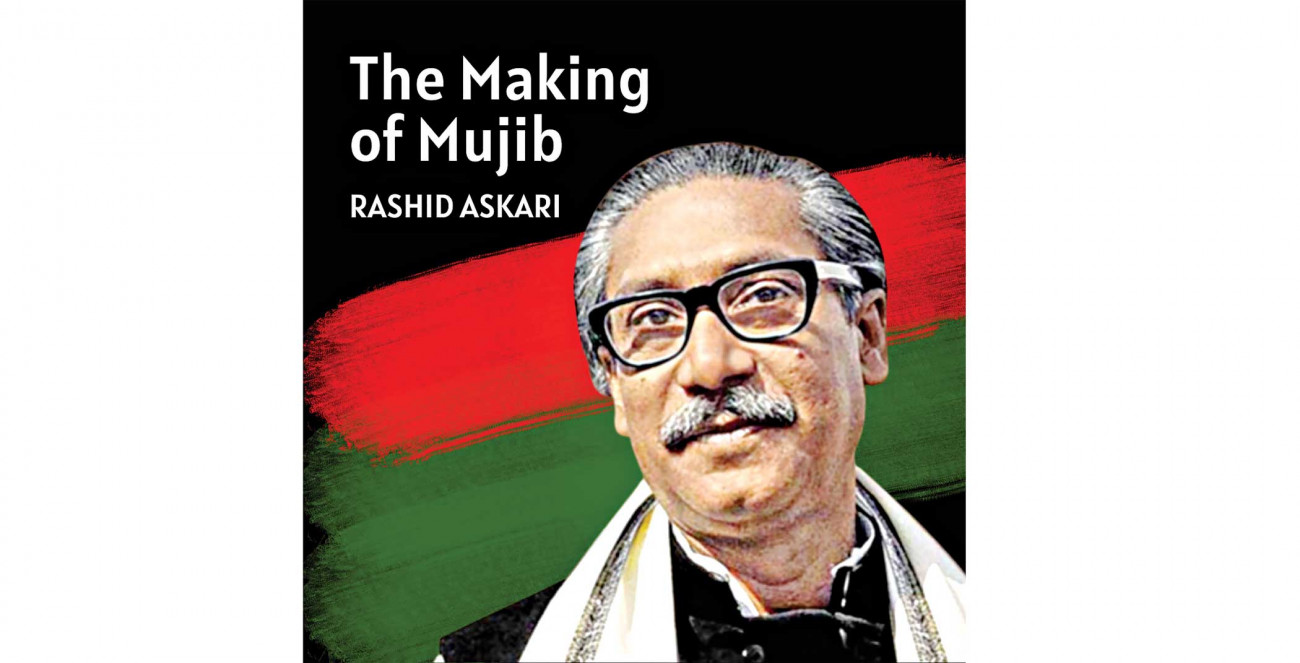
An intellectual biography of Sheikh Mujibur Rahman

The Making of Mujib (Bangla Academy Dhaka, 2022) by Dr Rashid Askari is an intellectual biography of Bangabandhu Sheikh Mujibur Rahman aimed mainly at historiographers and socio-political scientists. Yet the linguistic intelligence of the book communicates with non-specialist audiences with equal eloquence.

Although quite a large number of biographies have been written about Mujib, none, says Dr Askari in the preface to his book, "evaluate his life and thought in the light of the political discourse concerning him". His book explores historico-political contexts in which Bangabandhu took solemn vows to stand against the Pakistani usurpers and address the interests and hopes of his people.

The writer attempts to develop the biography through the conceptual analysis of Mujib's motives and beliefs. As an intellectual historian, the writer offers insights into Mujib's life, the relationship between his life and political ideology, and his contribution to addressing the critical geo-political issues of the then-East Pakistan.

The diverse literature on Mujib has created many distinct images of this influential leader, which has led many researchers to attempt to unearth 'the real Mujib'. Rather than joining this quest to over-simplify Mujib's legacy, this biography explores a number of personae that Mujib assumed at different periods of his life. Dr Askari endeavours to unfold the sharp-minded, systematic thinker, and brilliant genius of Mujib's growth as a political giant in connection with his inseparable attachment with the socio-political and economic history of Bangladesh.

Three basic causes—decolonization, democratisation, and racial equality—were upheld by Mujib in his call for civil resistance, largely characterised by non-violence. Mujib used the phenomenon of non-violence against the Pakistani occupation to claim and establish autonomy in the region. His forms of actions included demonstrations, strikes, boycotts, and campaigns to reinstate peace and the constitutional order of the region. Askari reaffirms that in the formation of a political personality, Mujib nurtured his inborn passion and love for humanity.

A blending of enormous political insight and austerity made Mujib a sometimes difficult political figure. His strength was born in his morality and in his mysticism; he had to spend one fourth of his 54 years in jail. He was sent to jail 18 times and faced death twice. His firm conviction for justice and truth became the critical factor in motivating the oppressed people of the land. With his incantatory call to people in the historic speech of  March 7, 1971, and his declaration of the Independence of Bangladesh, Mujib's people woke up to fight fire with fire, as Dr Askari records under the sections, "The Mighty Roar", "The Cruelest Crackdown", and "The Final Word".

The biography tells this story in eight chapters. They have small subsections to present facts, ideas, and views in small chunks. The text offers an accessible description of Mujib and his activities, along with analysis and commentaries of historiographers and news reporters on the Liberation War of Bangladesh. The use of intertextual instruments like translations, quotations, and allusions have helped the writer to examine his subject from multiple dimensions. Read More...

Previous Post

Analysing South Asian history through films

Next Post

Wanderlust reading: Books for your vicarious travelling this summer

Comments