Analysing South Asian history through films
-
 Loading...
 - Abbas Rahman
- 10 Jun 2022
- 274 Views
- 0 Like
- 0 Comment
Critical reading of South Asian history has been majorly subjected to individual narratives. Lack of comparative studies have resulted in ignorance for neighbours and a forgotten history of self. Unlike most academic, information-heavy writings that I have come across, South Asian FilmScape: Transregional Encounters offers opportunities for analytical reasoning and provokes the mind to wander. While some chapters offer new information, others offer varied perspectives on known history, and suggest innovative ways of challenging hegemonic paradigms.
Editors and co-founders of the South Asian Regional Media Scholars Network (SARMSNet), Elora Halim Chowdhury and Esha Neogi De, have meticulously designed the book. They have distributed the chapters of their debut publication equally among the tri-nations—India, Pakistan, Bangladesh, intertwining their history and culture even to the ignorant eye. The selected essays compel the reader to look beyond the contents of the book and trigger an urge to explore, from chapters on "Nations and Regional Margin", to "Transregional Crossing" and "Fractured Geographies, South Connectivities".
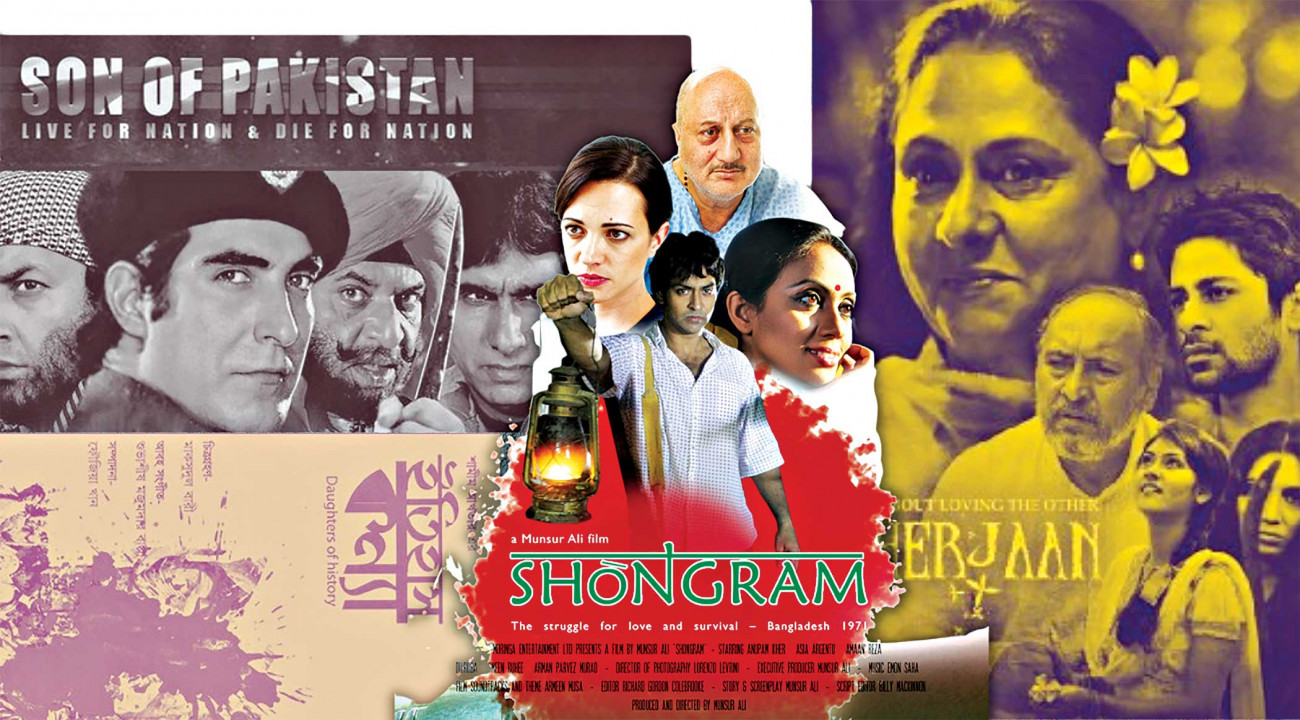
I could not resist reading Lotte Hoek's argumentative piece, "Cross-Wing Filmmaking: East Pakistani Urdu Films and Their Traces in the Bangladesh Film Archive". Hoek investigates dominant national trends into forgotten archives of film practice. She takes Son of Pakistan, better known as President (1966), as a sample film—said to be the first children's film of Pakistan, the story is based on Rabeya Khatun's novel Dusshahoshik Abhijan. But taking a stance away from a romantic or nationalistic position, Hoek confronts the people in charge directly. Along with archived materials, she notes body gestures and choices of words of her interviewees, Faridur Reza Sagar and Dr Fazlul Alam. She used statements of the Film Archive Librarian, the Film Investigator, an unnamed person she referred as a friend, and Zakir Hossain Raju in regard to her search for the documentation of Urdu films in Bangladesh Film Archive. She infers the failure of this search as a representative of the actively forgotten history of the Urdu films of East Pakistan.
The 'film investigator' (as Hoek states) working in Bangladesh Film Archive blatantly admits that the archive has not been able to add Bangla language magazines from before 1978 (the year of the establishment of the institution). The mention of the years such as 1971,1975, and 1978 signify times in history which have been important in forming the identity of Bangladesh. The oral histories and myth, reminiscences and documents, all sum up the structure of the created identity of Bangladesh.
Digging deeper, I could see myself walk through the shelves of the Film Archive as I read the book. While Hoek tries to pin the language used in the film, the protagonist, played by Faridur Reza Sagar, told Hoek that he couldn't recall anything about the making of the film. I was taken aback because he has mentioned the film in multiple conversations in local media and has written about it. His essay, titled, "Ami President er nayok bolchi", which loosely translates to "I, the hero of President", was published in Kishorsomogro, volume 1, and later added to a memoir, Agragami Swapnik (2016). The memoir was about the director Fazlul Huq. In it, he recalls travelling to Karachi, Lahore, Pindi, Islamabad, Peshawar, and Swat, besides shooting the film in the East. He also shared anecdotes and details of the storyline but there was no mention of the language of the film. Read More...