Anaplasmosis on the Rise in Canada: A Growing Tick-Borne Threat
-
 Loading...
 - Andreas Lehmann
- 28 Jun 2024
- 396 Views
- 0 Like
- 0 Comment
Canadian health experts are raising alarms about the increasing incidence of anaplasmosis, a tick-borne illness that has seen a significant uptick in the past decade and a half.
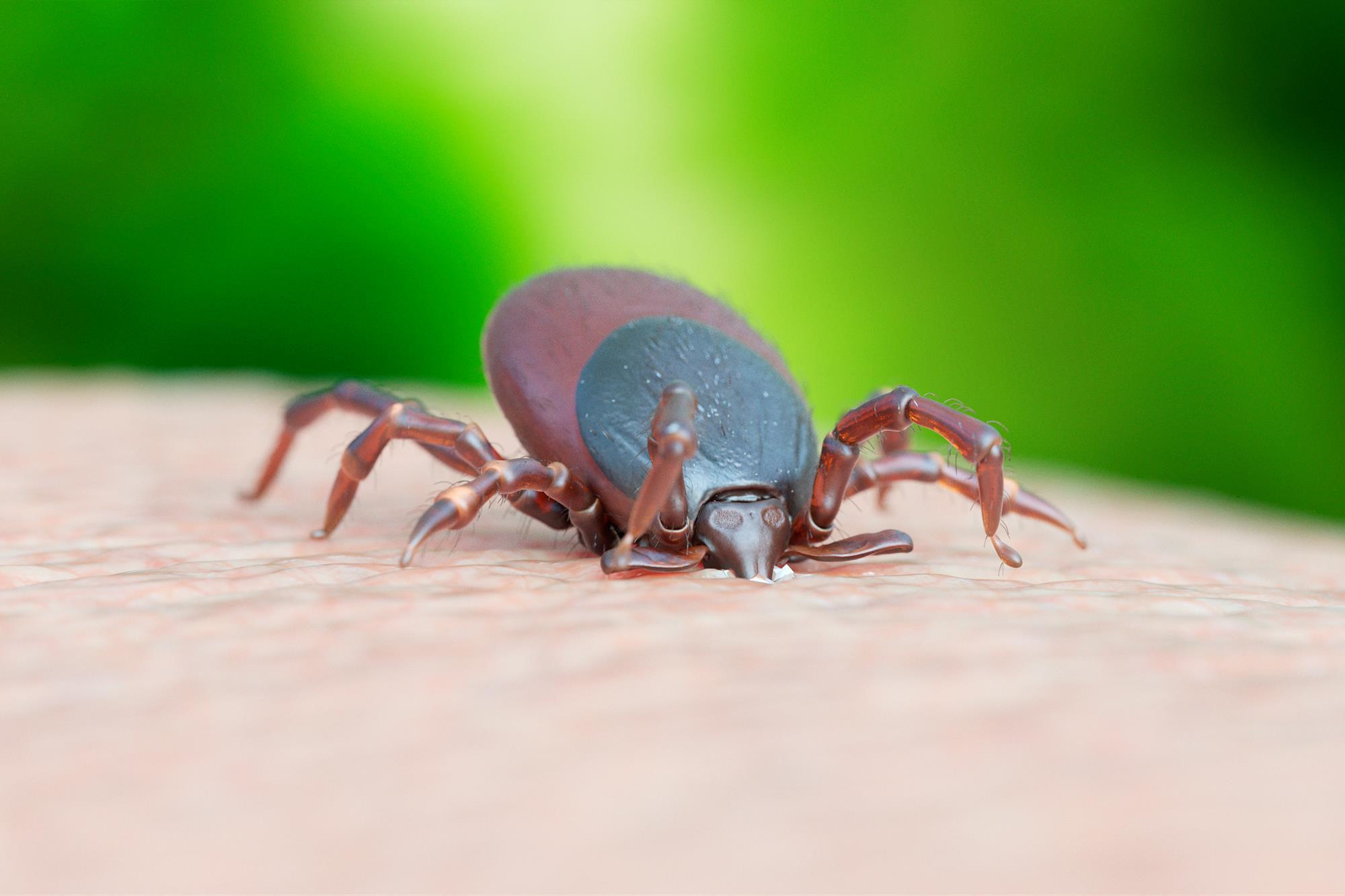
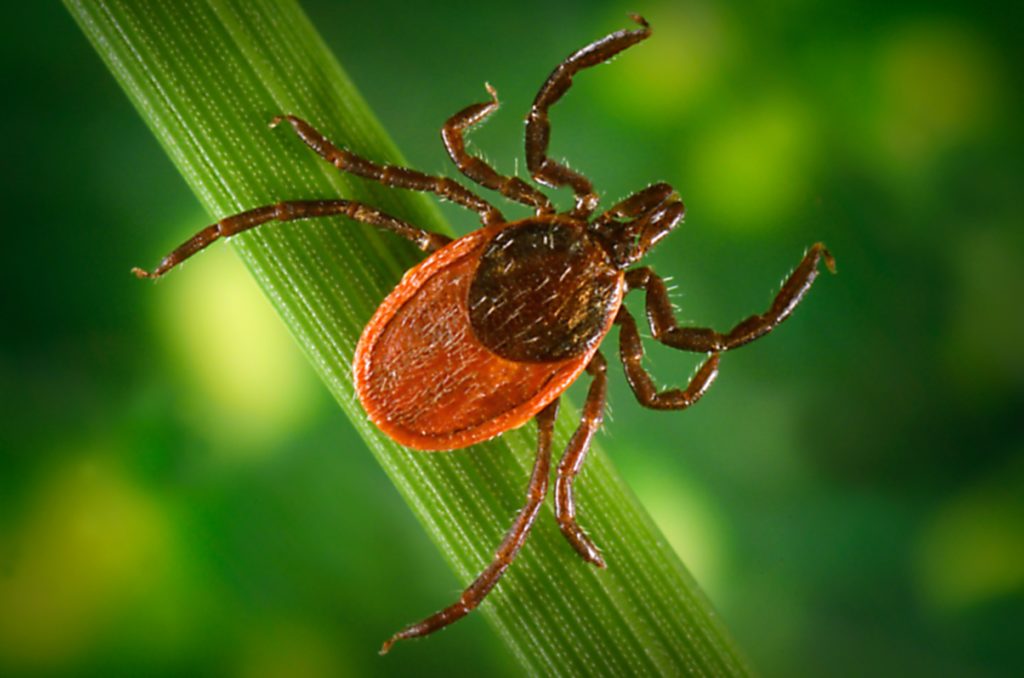
Anaplasmosis, an infection caused by the Anaplasma phagocytophilum bacterium, is transmitted to both humans and animals via tick bites. In the early 2000s, Canada recorded only a few cases each year. However, recent data indicate that provinces such as Nova Scotia, Quebec, and Ontario now experience up to 500 cases annually in areas where anaplasma-carrying ticks are prevalent. It is important to note that not all these cases progress to full clinical infections.
Heather Coatsworth, a research scientist at the Public Health Agency of Canada's National Microbiology Laboratory, referred to anaplasmosis as "the new kid on the block" during an interview with Dr. Brian Goldman on CBC's The Dose.
Ticks harboring anaplasmosis predominantly inhabit Nova Scotia, Quebec, and Ontario, though instances have also been documented in Manitoba and Alberta.
Symptoms and Risks
Initial symptoms of anaplasmosis include fever, chills, headache, and fatigue. If untreated, the disease can escalate to severe conditions such as respiratory failure, anemia, liver disease, and potentially death, particularly in immunocompromised individuals, children, and the elderly.
The infection process requires approximately 18 hours of tick feeding. Additionally, as a blood-borne disease, anaplasmosis can be transmitted through blood transfusions and organ donations. There is also a hypothesis that it may be passed from mother to child.
The inaugural case of anaplasmosis in a Canadian was documented in 2009.
Prevention Strategies
Currently, no vaccine exists to prevent anaplasmosis, making avoidance of tick bites the most effective preventive measure. Tick-specific insect repellents, such as those containing DEET, are particularly effective.
To minimize risk, Canadians are advised to avoid direct skin contact with grassy areas, perform regular tick checks after spending time in forests or long grass, and remain vigilant while gardening.
By adopting these preventive measures, Canadians can reduce their risk of contracting anaplasmosis and other tick-borne diseases.