Antikythera Mechanism: The Ancient Greek computer that leaves scientists stunned
-
 Loading...
 - Gloria Vega
- 19 Apr 2023
- 72 Views
- 0 Like
- 0 Comment
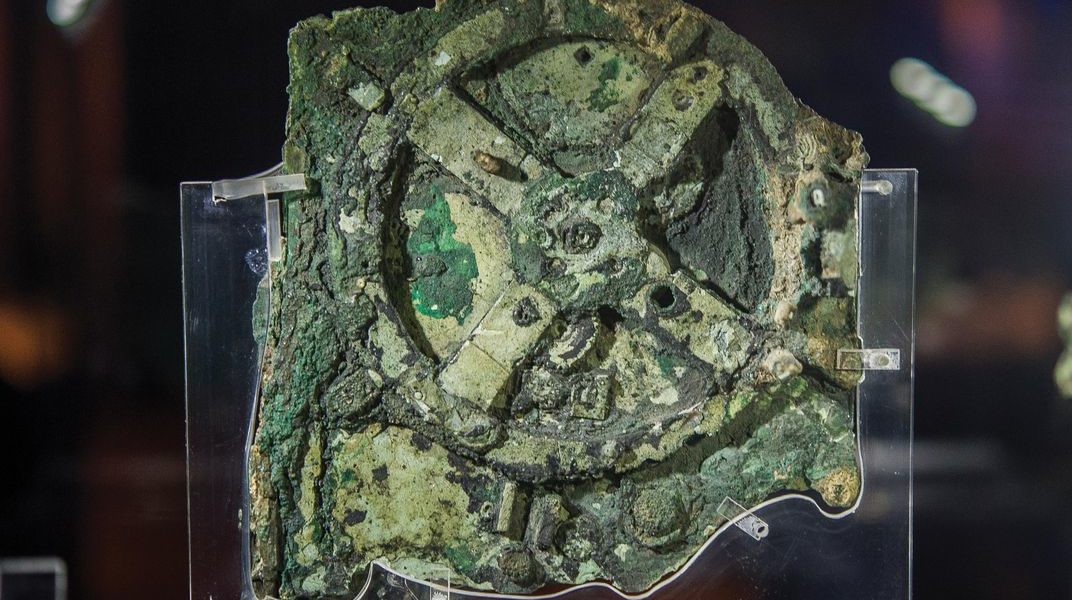
he Antikythera Mechanism, an ancient Greek computer that was more than 1,000 years ahead of its time, was able to accurately predict the motions of planets and stars, even when they would appear to move backwards across the sky, Nature reported.
The Antikythera Mechanism was discovered in a shipwreck off the coast of Greece early in the 20th century.
Archaeologists immediately suspected it was some kind of astronomical clock, but figured it was probably renaissance in origin due to its complexity.
It wasn't until the second half of the 20th-century that researchers realised it dated to ancient Greece - probably around 100BC-200BC - and that it accurately traced the movement of the sun and moon, predicting when eclipses would occur.
No other machine of such complexity dating back that far has ever been found, the technology having been lost until the late medieval era.
It's now been discovered that the mechanism also tracked the movements of Venus and Saturn - including when their orbit, when viewed from Earth, looked like they were travelling back across the sky.

Until now, no one knew that the Ancient Greeks possessed this kind of astronomical knowledge, let alone how to program it into an analogue computer - leaving the researchers baffled.
"The classic astronomy of the first millennium BC originated in Babylon, but nothing in this astronomy suggested how the ancient Greeks found the highly accurate 462-year cycle for Venus and 442-year cycle for Saturn," said PhD candidate and UCL Antikythera Research team member Aris Dacanalis. Read More…