Appearance of Humpback Whales in Brazil Increased 30 Times in 30 Years
-
 Loading...
 - Dorothea Engel
- 24 Jul 2024
- 47 Views
- 0 Like
- 0 Comment
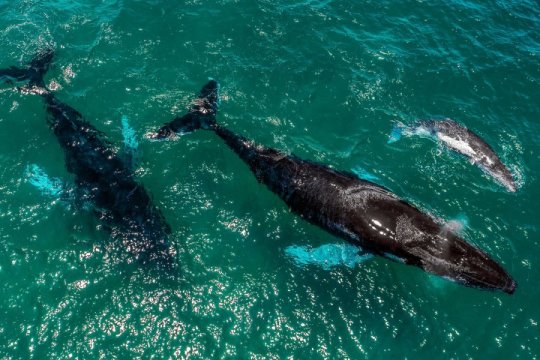
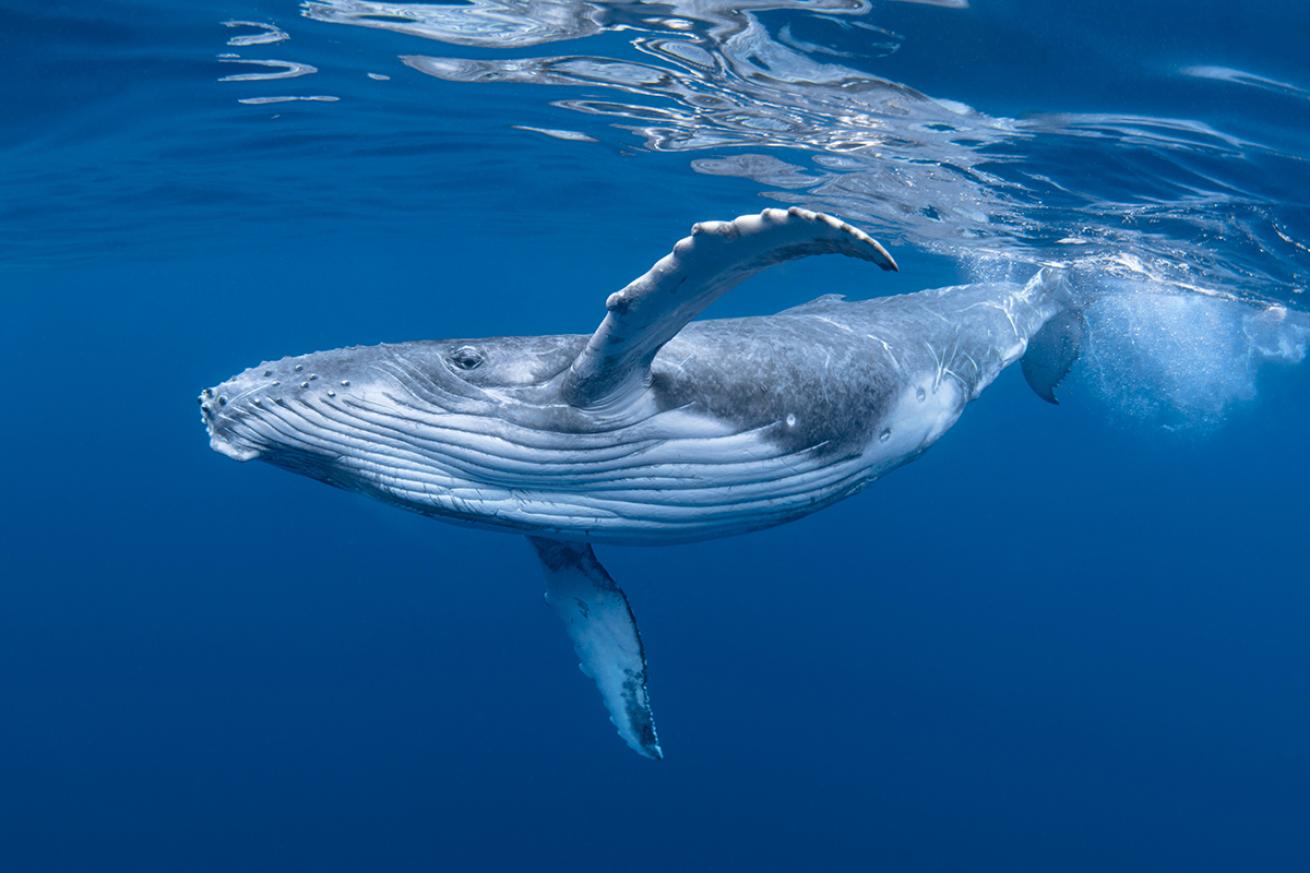
Humpback whales have increasingly become a common sight along the Brazilian coast, with their numbers rising thirtyfold over the past three decades, according to recent research. These majestic marine mammals are often spotted off the coast of Rio de Janeiro and other key locations during their breeding season.
Humpback whales spend the summer months in the frigid waters of the Antarctic. However, as temperatures plummet mid-year, they embark on a migration to the warmer waters of Brazil's northeast coast, covering a distance of approximately 4,000 kilometers. This arduous journey, which can take up to two months, is driven by the need for a suitable breeding environment.
One of the reasons these whales are drawn to Brazilian waters is to ensure their calves are born and learn their initial movements in warmer, less harsh conditions. The optimal temperature for these activities is around 28°C, which has become more challenging to find due to the climate crisis and resultant ocean warming. Warmer seas in the Antarctic region have compelled the whales to seek out alternative breeding grounds with suitable conditions.
During the breeding season, male humpbacks are known for their unique and captivating songs, which they use to attract females. Researchers have noted that these complex vocalizations are a crucial part of their mating rituals. Observations indicate that calves born in the waters off Rio de Janeiro are considered native to the area, colloquially referred to as 'carioca.'
The remarkable increase in humpback whale sightings along the Brazilian coast highlights successful conservation efforts and the importance of these warm waters for the species' reproductive cycle. The presence of these whales not only signifies a thriving marine ecosystem but also offers a spectacular sight for both researchers and the general public.
This significant rise in humpback whale numbers is a testament to the resilience of the species and the critical role of Brazil's coastal waters in their life cycle. The ongoing study and observation of these whales provide valuable insights into their behavior, migration patterns, and the broader impacts of climate change on marine life.