Home Upload Photo Upload Videos Write a Blog Analytics Messaging Streaming Create Adverts Creators Program
Bebuzee Afghanistan Bebuzee Albania Bebuzee Algeria Bebuzee Andorra Bebuzee Angola Bebuzee Antigua and Barbuda Bebuzee Argentina Bebuzee Armenia Bebuzee Australia Bebuzee Austria Bebuzee Azerbaijan Bebuzee Bahamas Bebuzee Bahrain Bebuzee Bangladesh Bebuzee Barbados Bebuzee Belarus Bebuzee Belgium Bebuzee Belize Bebuzee Benin Bebuzee Bhutan Bebuzee Bolivia Bebuzee Bosnia and Herzegovina Bebuzee Botswana Bebuzee Brazil Bebuzee Brunei Bebuzee Bulgaria Bebuzee Burkina Faso Bebuzee Burundi Bebuzee Cabo Verde Bebuzee Cambodia Bebuzee Cameroon Bebuzee Canada Bebuzee Central African Republic Bebuzee Chad Bebuzee Chile Bebuzee China Bebuzee Colombia Bebuzee Comoros Bebuzee Costa Rica Bebuzee Côte d'Ivoire Bebuzee Croatia Bebuzee Cuba Bebuzee Cyprus Bebuzee Czech Republic Bebuzee Democratic Republic of the Congo Bebuzee Denmark Bebuzee Djibouti Bebuzee Dominica Bebuzee Dominican Republic Bebuzee Ecuador Bebuzee Egypt Bebuzee El Salvador Bebuzee Equatorial Guinea Bebuzee Eritrea Bebuzee Estonia Bebuzee Eswatini Bebuzee Ethiopia Bebuzee Fiji Bebuzee Finland Bebuzee France Bebuzee Gabon Bebuzee Gambia Bebuzee Georgia Bebuzee Germany Bebuzee Ghana Bebuzee Greece Bebuzee Grenada Bebuzee Guatemala Bebuzee Guinea Bebuzee Guinea-Bissau Bebuzee Guyana Bebuzee Haiti Bebuzee Honduras Bebuzee Hong Kong Bebuzee Hungary Bebuzee Iceland Bebuzee India Bebuzee Indonesia Bebuzee Iran Bebuzee Iraq Bebuzee Ireland Bebuzee Israel Bebuzee Italy Bebuzee Jamaica Bebuzee Japan Bebuzee Jordan Bebuzee Kazakhstan Bebuzee Kenya Bebuzee Kiribati Bebuzee Kuwait Bebuzee Kyrgyzstan Bebuzee Laos Bebuzee Latvia Bebuzee Lebanon Bebuzee Lesotho Bebuzee Liberia Bebuzee Libya Bebuzee Liechtenstein Bebuzee Lithuania Bebuzee Luxembourg Bebuzee Madagascar Bebuzee Malawi Bebuzee Malaysia Bebuzee Maldives Bebuzee Mali Bebuzee Malta Bebuzee Marshall Islands Bebuzee Mauritania Bebuzee Mauritius Bebuzee Mexico Bebuzee Micronesia Bebuzee Moldova Bebuzee Monaco Bebuzee Mongolia Bebuzee Montenegro Bebuzee Morocco Bebuzee Mozambique Bebuzee Myanmar Bebuzee Namibia Bebuzee Nauru Bebuzee Nepal Bebuzee Netherlands Bebuzee New Zealand Bebuzee Nicaragua Bebuzee Niger Bebuzee Nigeria Bebuzee North Korea Bebuzee North Macedonia Bebuzee Norway Bebuzee Oman Bebuzee Pakistan Bebuzee Palau Bebuzee Panama Bebuzee Papua New Guinea Bebuzee Paraguay Bebuzee Peru Bebuzee Philippines Bebuzee Poland Bebuzee Portugal Bebuzee Qatar Bebuzee Republic of the Congo Bebuzee Romania Bebuzee Russia Bebuzee Rwanda Bebuzee Saint Kitts and Nevis Bebuzee Saint Lucia Bebuzee Saint Vincent and the Grenadines Bebuzee Samoa Bebuzee San Marino Bebuzee São Tomé and Príncipe Bebuzee Saudi Arabia Bebuzee Senegal Bebuzee Serbia Bebuzee Seychelles Bebuzee Sierra Leone Bebuzee Singapore Bebuzee Slovakia Bebuzee Slovenia Bebuzee Solomon Islands Bebuzee Somalia Bebuzee South Africa Bebuzee South Korea Bebuzee South Sudan Bebuzee Spain Bebuzee Sri Lanka Bebuzee Sudan Bebuzee Suriname Bebuzee Sweden Bebuzee Switzerland Bebuzee Syria Bebuzee Taiwan Bebuzee Tajikistan Bebuzee Tanzania Bebuzee Thailand Bebuzee Timor-Leste Bebuzee Togo Bebuzee Tonga Bebuzee Trinidad and Tobago Bebuzee Tunisia Bebuzee Turkey Bebuzee Turkmenistan Bebuzee Tuvalu Bebuzee Uganda Bebuzee Ukraine Bebuzee United Arab Emirates Bebuzee United Kingdom Bebuzee Uruguay Bebuzee Uzbekistan Bebuzee Vanuatu Bebuzee Venezuela Bebuzee Vietnam Bebuzee World Wide Bebuzee Yemen Bebuzee Zambia Bebuzee Zimbabwe
Blog Image

First study of Humpback whale survivors of orca attacks in the Southeastern Pacific

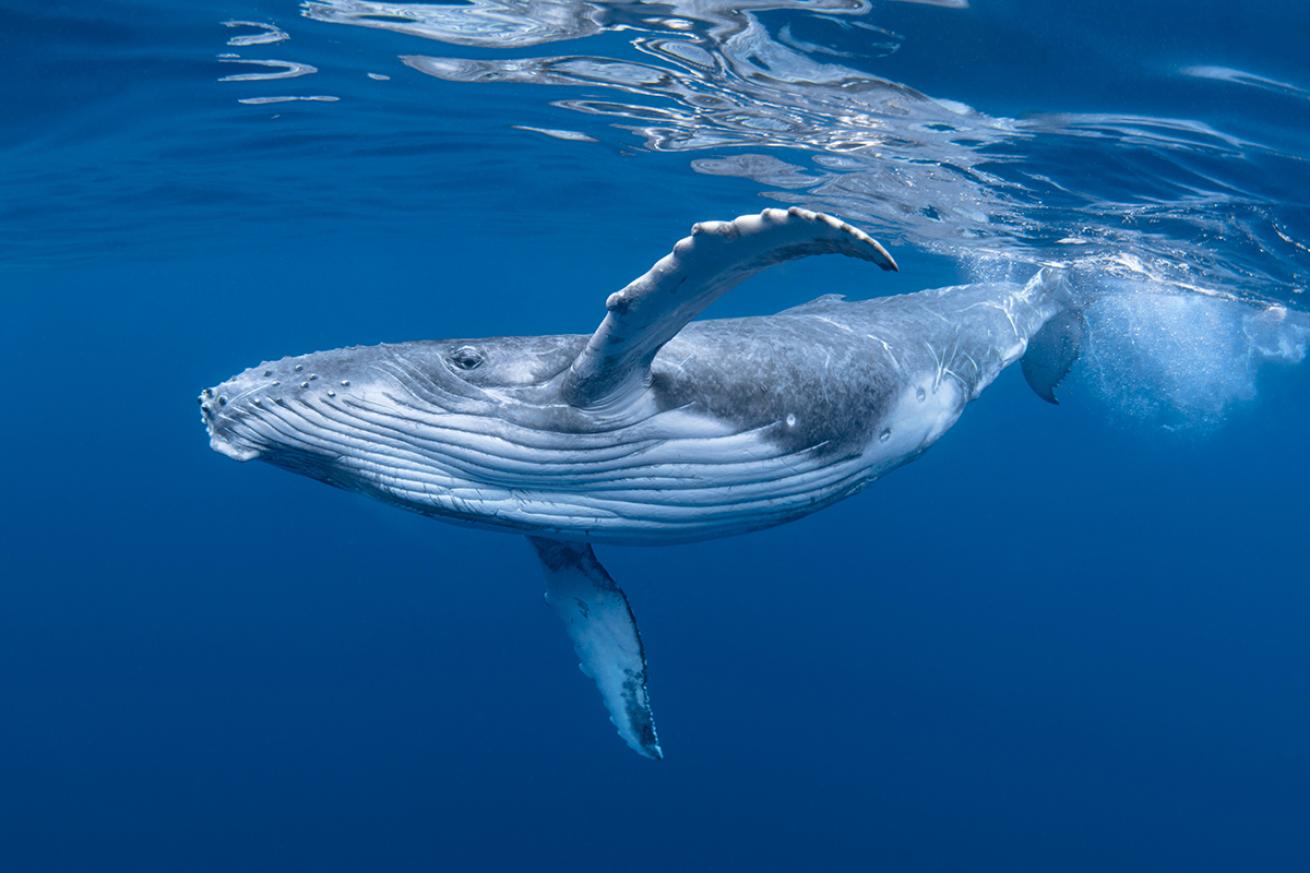
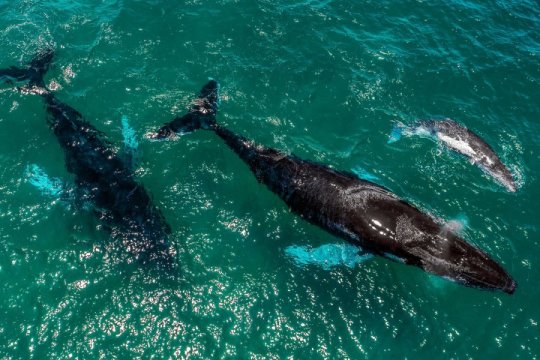
Humpback whales travel to shallow tropical waters to give birth and then return to their feeding grounds in cooler ocean waters. Researchers think that most orca attacks on humpback whales involve calves in their first year of life. Credit: Eduardo Estrad

Humpback whales bear stark battle scars from violent encounters with orcas, also known as killer whales. Analysis of rake marks on more than 3000 humpback whale tails or flukes suggest that attacks on these undersea giants may be on the rise, according to a new study in Endangered Species Research.

"We set out to discover where, when and at what age humpback whales in the Southeastern Pacific are attacked by orcas," said Hector M. Guzman, marine ecologist at the Smithsonian Tropical Research Institute.

Orcas, Orcinus orca, like humans, are apex predators. Although they can feed on more than 20 different species of cetaceans, they usually prefer sea lions, fur seals, fish and sea birds. "Because the chances of observing rake marks on young, vulnerable whales increased in the last 20 years, we think that killer whale attacks on humpback whales may be more common now than they were in the past, perhaps due to the recovery of whale breeding stocks in the Southeast Pacific after hunting was prohibited," said Juan Capella, lead author and marine biologist from Whalesound Ltd. in Chile.

This extraordinary international team studied photos of whales at shallow, warm-water breeding grounds in Panama's Las Perlas Archipelago, Gorgona Island and Malaga Bay in Colombia and Salinas and Machalilla in Ecuador and at cold water feeding grounds in Chile's Magellan Strait and the Gerlache Strait off the western Antarctic Peninsula. They found that 11.5 percent of adult whales and 19.5 percent of calves carried battle scars, numbers similar to those reported from the North Pacific, the North Atlantic, eastern Australia, Tonga and New Caledonia. "The number of scars borne by an individual whale didn't seem to change from year to year, suggesting that orcas primarily attack calves during their first migration," said Fernando Felix, marine biologist from the Pontifica Universidad Catolica and the Whale Museum (Museo de Ballenas) in Ecuador. They carry their scars for the rest of their lives."

Because young whales at feeding grounds had more scars than young whales at breeding grounds, researchers suspect that orcas prefer to attack young whales. Scarred female whales who were attacked by orcas as calves arrived at Magellan feeding areas with a higher number of calves than non-scarred females, suggesting that maybe they were better at evading orcas and defending their young from attack because they had survived an attack in the past.

"We want to underscore the importance of transnational studies to better our understanding of marine environments and their inhabitants as we recommend policies that work both for the health of the ocean and for the beneficiaries of its wealth," Guzmán said.

Previous Post

Despite government claims, orangutan populations have not increased

Next Post

Discovery: Rare three-species hybrid warbler

Comments