Archaeologists Discover Mysterious Ancient Objects on Norway's Melting Glaciers
-
 Loading...
 - Ryan Griffin
- 25 Feb 2025
- 36 Views
- 0 Like
- 0 Comment
As glaciers around the world continue to melt due to climate change, a fascinating field of research known as glacial archaeology is emerging, revealing a treasure trove of ancient artifacts. Norway is at the forefront of this exploration, boasting over 4,500 artifacts—more than half of the global findings in this area—thanks to initiatives like the Secrets of the Ice program, co-led by archaeologist Espen Finstad.
For thousands of years, ancient peoples traversed Norway's glaciers, utilizing them as hunting, travel, and trade routes. These paths connected the Norwegian coast to inland areas, particularly since the Stone Age. Finstad notes, "We are lucky that some of these trade routes have gone over ice," allowing objects left behind by travelers to be preserved in the glaciers for centuries.
However, as global temperatures rise due to human activities, these ancient artifacts are being released from their icy confines. Among the discoveries are familiar items, such as mittens, and more unusual objects, like a whisk, which differ significantly from modern equivalents.
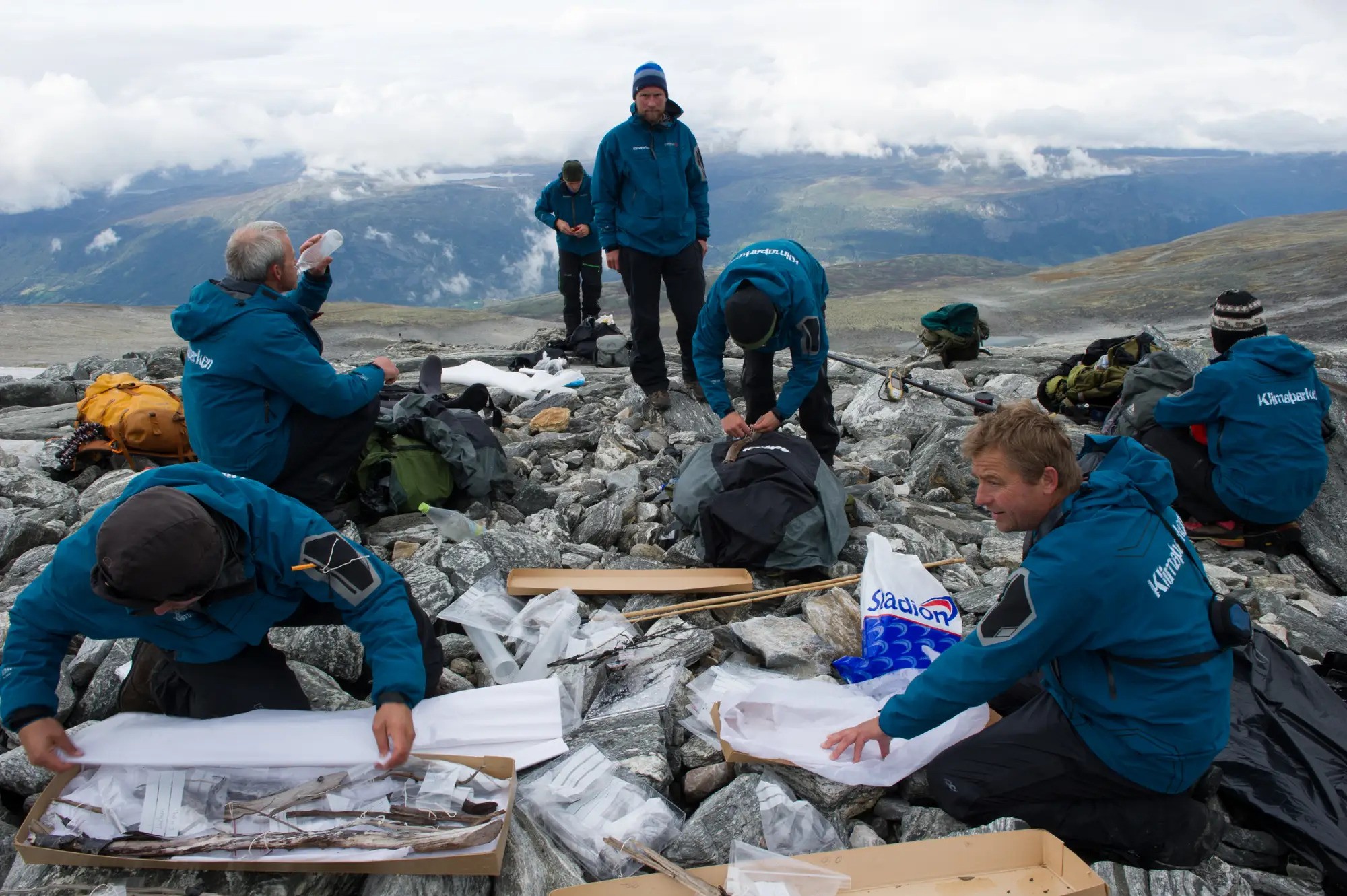
One of the most fruitful sites for these discoveries is the Lendbreen ice patch, a well-known travel route during the Viking and Medieval eras. Finstad's team visits Lendbreen almost every year, and the summer of 2024 proved particularly fruitful due to significant melting.
During their nine-day expedition, the team utilized pack horses to transport their gear and set up camp. They uncovered remarkable finds, including "two of the best-preserved arrows we ever found." One arrow was simply lying on top of the ice, a rare occurrence that allowed the archaeologists to collect it with minimal excavation. Finstad described the arrow as "very beautiful," highlighting the exceptional preservation conditions of these artifacts.
The abundance of arrows found in the glaciers points to the significance of reindeer hunting during the Iron and Medieval Ages, which was almost an industry at the time. These arrows not only served as tools for hunting but also as commodities for trade. Some arrowheads made from river mussels indicate the extensive travel and trade networks of ancient peoples.
Finstad's team also discovered prehistoric arrows with intact fletching, a delicate component that typically does not survive for thousands of years. Such findings provide invaluable insights into the craftsmanship and daily life of past societies.
In addition to recognizable items, the team encountered numerous small, enigmatic objects made of wood, leather, and textiles. Finstad estimated they found about 50 such mysterious artifacts at Lendbreen in 2024. These items, often remnants of daily life from the Viking Age or earlier, are rarely found in other archaeological contexts in Norway due to degradation over time.
Despite challenges, including heavy snow that limited their efforts, the archaeologists are eager to return to the site. "We are excited to go back," Finstad said, looking forward to uncovering more secrets hidden in the ice.
The melting glaciers of Norway are not just a sign of climate change; they are also gateways to understanding ancient human life. As archaeologists continue to explore these icy landscapes, they uncover artifacts that tell stories of trade, survival, and the intricate connections between past societies. The field of glacial archaeology promises to reveal even more about our history as these ancient objects come to light.