Overview of Research on Transparent Worms and Fertility Treatments
-
 Loading...
 - Elinam Offei
- 20 Dec 2024
- 41 Views
- 0 Like
- 0 Comment
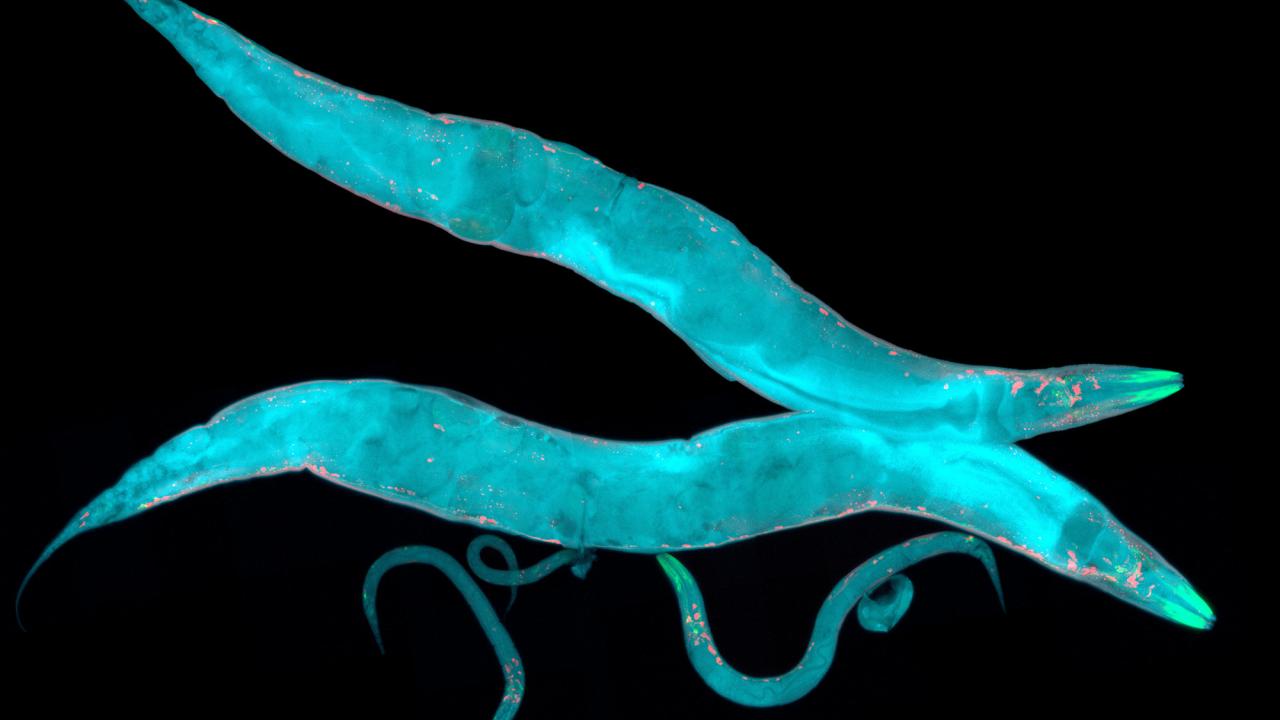
Recent studies involving transparent worms, specifically Caenorhabditis elegans, have provided valuable insights into the mechanisms of fertility and reproductive cell development. These worms are particularly useful for research due to their transparency, which allows scientists to observe cellular processes in real-time.
Researchers have genetically modified these worms to express proteins that glow under ultraviolet light, enabling the visualization of specific cellular activities, such as the movement of proteins during egg cell development. A significant protein studied is katanin, which plays a crucial role in maintaining the structure of microtubules during meiosis. Katanin helps prevent the misalignment of chromosomes, an essential factor for successful fertilization and embryo development.
The research highlights the delicate process of meiosis in egg cells, where chromosomes must be accurately separated. Any errors in this process can lead to infertility or genetic disorders. By studying these processes in worms, scientists may identify similar mechanisms in humans, providing comparative insights that could enhance our understanding of human fertility.
Although C. elegans is a simple organism, many of the proteins involved in its reproductive processes are also found in humans. This similarity allows researchers to draw parallels and potentially apply findings from worm studies to human fertility issues. The ability to observe egg and sperm development in worms offers a unique opportunity to study these processes side by side, which is challenging in mammals due to the complexity of their reproductive systems.
Understanding the molecular mechanisms that govern fertility in worms could lead to new diagnostic and therapeutic strategies for human fertility problems, including infertility and miscarriage. Overall, the research on transparent worms and their glowing proteins is paving the way for a deeper understanding of fertility mechanisms, with the hope of improving fertility treatments and enhancing reproductive health in humans.