Role of Mesoscale Eodies in the Biogeochemistry of the Mozambique Channel
-
 Loading...
 - Jennifer Offei
- 19 Dec 2024
- 46 Views
- 0 Like
- 0 Comment
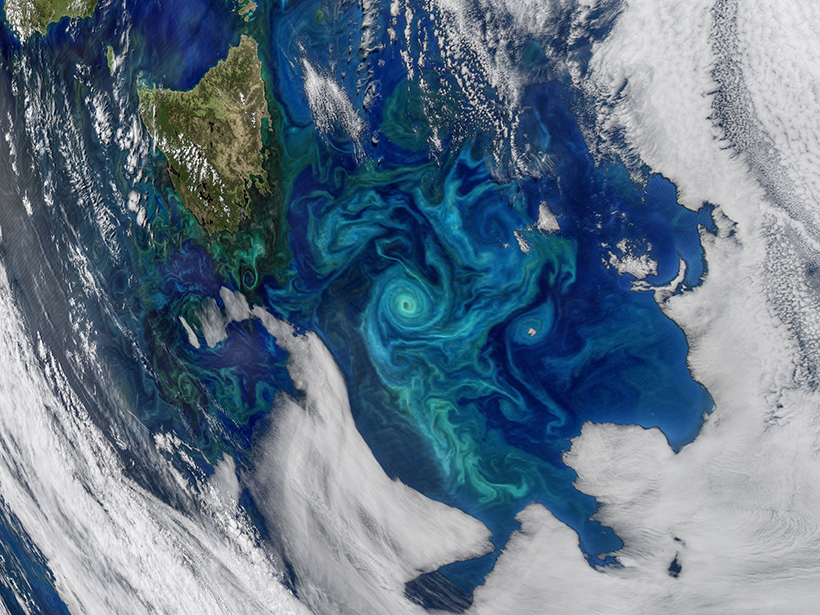
The Mozambique Channel, located between the eastern coast of Mozambique and the island of Madagascar, is a dynamic marine environment characterized by complex oceanographic processes. Among these processes, mesoscale eddies play a crucial role in shaping the biogeochemistry of the region. These eddies, which are typically defined as oceanic features with horizontal scales ranging from 10 to 200 kilometers and lifetimes of days to months, significantly influence nutrient distribution, primary productivity, and overall ecosystem health.
Mesoscale eddies are instrumental in the vertical transport of nutrients from deeper waters to the surface. In the Mozambique Channel, these eddies can enhance upwelling, bringing nutrient-rich waters to the photic zone, where sunlight supports phytoplankton growth. This process is vital for sustaining the base of the marine food web, as phytoplankton are primary producers that form the foundation for higher trophic levels, including fish and other marine organisms.
The presence of mesoscale eddies can lead to localized increases in primary productivity. When eddies transport nutrients to the surface, they create areas of enhanced biological activity, often referred to as “biological hotspots.” These hotspots can attract various marine species, including commercially important fish, thereby supporting local fisheries and contributing to the region's economy.
Mesoscale eddies also play a significant role in the carbon cycle within the Mozambique Channel. By facilitating the growth of phytoplankton, these eddies contribute to the biological pump, a process where carbon dioxide is absorbed by marine organisms and subsequently transported to deeper ocean layers when these organisms die and sink. This process is essential for regulating atmospheric carbon levels and mitigating climate change.
The dynamics of mesoscale eddies can influence larger-scale ocean circulation patterns, which in turn affect regional climate conditions. Changes in the distribution and intensity of these eddies can alter sea surface temperatures and salinity, impacting weather patterns and potentially leading to shifts in marine ecosystems. Understanding these interactions is crucial for predicting the effects of climate change on the Mozambique Channel and its surrounding regions.
The interplay between mesoscale eddies and biogeochemical processes contributes to the overall biodiversity of the Mozambique Channel. The nutrient-rich waters associated with eddies support diverse marine habitats, including coral reefs and seagrass beds, which are critical for various marine species. Healthy ecosystems are essential for maintaining fisheries, protecting coastal communities, and supporting the livelihoods of those who depend on marine resources.
Mesoscale eddies are vital components of the biogeochemical dynamics in the Mozambique Channel. By facilitating nutrient transport, enhancing primary productivity, and influencing carbon cycling, these oceanic features play a significant role in sustaining marine ecosystems and supporting local economies. Understanding the complex interactions between mesoscale eddies and biogeochemical processes is essential for effective marine management and conservation efforts in this ecologically important region. Continued research is needed to monitor these dynamics, especially in the context of climate change and its potential impacts on oceanic systems.