Home Upload Photo Upload Videos Write a Blog Analytics Messaging Streaming Create Adverts Creators Program
Bebuzee Afghanistan Bebuzee Albania Bebuzee Algeria Bebuzee Andorra Bebuzee Angola Bebuzee Antigua and Barbuda Bebuzee Argentina Bebuzee Armenia Bebuzee Australia Bebuzee Austria Bebuzee Azerbaijan Bebuzee Bahamas Bebuzee Bahrain Bebuzee Bangladesh Bebuzee Barbados Bebuzee Belarus Bebuzee Belgium Bebuzee Belize Bebuzee Benin Bebuzee Bhutan Bebuzee Bolivia Bebuzee Bosnia and Herzegovina Bebuzee Botswana Bebuzee Brazil Bebuzee Brunei Bebuzee Bulgaria Bebuzee Burkina Faso Bebuzee Burundi Bebuzee Cabo Verde Bebuzee Cambodia Bebuzee Cameroon Bebuzee Canada Bebuzee Central African Republic Bebuzee Chad Bebuzee Chile Bebuzee China Bebuzee Colombia Bebuzee Comoros Bebuzee Costa Rica Bebuzee Côte d'Ivoire Bebuzee Croatia Bebuzee Cuba Bebuzee Cyprus Bebuzee Czech Republic Bebuzee Democratic Republic of the Congo Bebuzee Denmark Bebuzee Djibouti Bebuzee Dominica Bebuzee Dominican Republic Bebuzee Ecuador Bebuzee Egypt Bebuzee El Salvador Bebuzee Equatorial Guinea Bebuzee Eritrea Bebuzee Estonia Bebuzee Eswatini Bebuzee Ethiopia Bebuzee Fiji Bebuzee Finland Bebuzee France Bebuzee Gabon Bebuzee Gambia Bebuzee Georgia Bebuzee Germany Bebuzee Ghana Bebuzee Greece Bebuzee Grenada Bebuzee Guatemala Bebuzee Guinea Bebuzee Guinea-Bissau Bebuzee Guyana Bebuzee Haiti Bebuzee Honduras Bebuzee Hong Kong Bebuzee Hungary Bebuzee Iceland Bebuzee India Bebuzee Indonesia Bebuzee Iran Bebuzee Iraq Bebuzee Ireland Bebuzee Israel Bebuzee Italy Bebuzee Jamaica Bebuzee Japan Bebuzee Jordan Bebuzee Kazakhstan Bebuzee Kenya Bebuzee Kiribati Bebuzee Kuwait Bebuzee Kyrgyzstan Bebuzee Laos Bebuzee Latvia Bebuzee Lebanon Bebuzee Lesotho Bebuzee Liberia Bebuzee Libya Bebuzee Liechtenstein Bebuzee Lithuania Bebuzee Luxembourg Bebuzee Madagascar Bebuzee Malawi Bebuzee Malaysia Bebuzee Maldives Bebuzee Mali Bebuzee Malta Bebuzee Marshall Islands Bebuzee Mauritania Bebuzee Mauritius Bebuzee Mexico Bebuzee Micronesia Bebuzee Moldova Bebuzee Monaco Bebuzee Mongolia Bebuzee Montenegro Bebuzee Morocco Bebuzee Mozambique Bebuzee Myanmar Bebuzee Namibia Bebuzee Nauru Bebuzee Nepal Bebuzee Netherlands Bebuzee New Zealand Bebuzee Nicaragua Bebuzee Niger Bebuzee Nigeria Bebuzee North Korea Bebuzee North Macedonia Bebuzee Norway Bebuzee Oman Bebuzee Pakistan Bebuzee Palau Bebuzee Panama Bebuzee Papua New Guinea Bebuzee Paraguay Bebuzee Peru Bebuzee Philippines Bebuzee Poland Bebuzee Portugal Bebuzee Qatar Bebuzee Republic of the Congo Bebuzee Romania Bebuzee Russia Bebuzee Rwanda Bebuzee Saint Kitts and Nevis Bebuzee Saint Lucia Bebuzee Saint Vincent and the Grenadines Bebuzee Samoa Bebuzee San Marino Bebuzee São Tomé and Príncipe Bebuzee Saudi Arabia Bebuzee Senegal Bebuzee Serbia Bebuzee Seychelles Bebuzee Sierra Leone Bebuzee Singapore Bebuzee Slovakia Bebuzee Slovenia Bebuzee Solomon Islands Bebuzee Somalia Bebuzee South Africa Bebuzee South Korea Bebuzee South Sudan Bebuzee Spain Bebuzee Sri Lanka Bebuzee Sudan Bebuzee Suriname Bebuzee Sweden Bebuzee Switzerland Bebuzee Syria Bebuzee Taiwan Bebuzee Tajikistan Bebuzee Tanzania Bebuzee Thailand Bebuzee Timor-Leste Bebuzee Togo Bebuzee Tonga Bebuzee Trinidad and Tobago Bebuzee Tunisia Bebuzee Turkey Bebuzee Turkmenistan Bebuzee Tuvalu Bebuzee Uganda Bebuzee Ukraine Bebuzee United Arab Emirates Bebuzee United Kingdom Bebuzee Uruguay Bebuzee Uzbekistan Bebuzee Vanuatu Bebuzee Venezuela Bebuzee Vietnam Bebuzee World Wide Bebuzee Yemen Bebuzee Zambia Bebuzee Zimbabwe
Blog Image

Why Czechia Has the Lowest Number of Women in Science in the EU

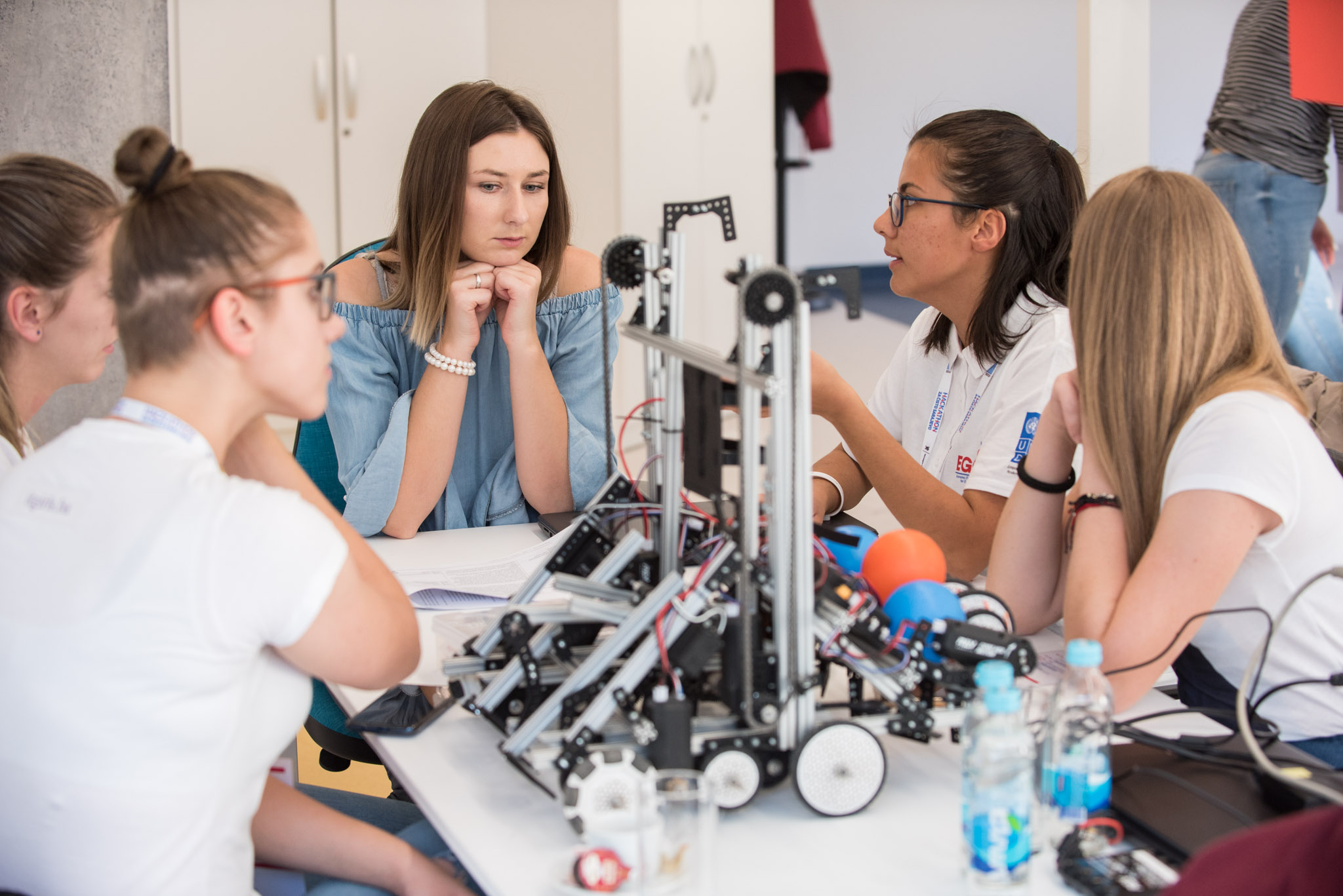
The Czech Republic has been identified as having the lowest percentage of women working in science within the European Union, according to a recent report from the National Contact Center – Gender and Science, part of the Czech Academy of Sciences. This alarming trend highlights a significant issue in the country's research sector, where, despite overall growth, the representation of women in scientific fields has declined over the years.

The monitoring report, which analyzed data from 2005 to 2022, reveals that while the total number of individuals employed in research and development has doubled during this period, the proportion of women in these roles has slightly decreased. By 2022, women accounted for only 28.7% of scientific positions in the Czech Republic, marking the lowest percentage in the EU. This indicates a failure to fully leverage the potential of qualified women in science, raising concerns about gender equity in the research sector.

Interestingly, women dominate undergraduate and master’s degree programs in the Czech Republic, and their numbers among doctoral students are gradually increasing. However, this upward trend does not translate into senior roles within academic institutions. Dr. Maříková-Kubková, a representative from the academic community, notes that her institution lacks women in top-level management positions, reflecting a broader issue of gender imbalance in leadership roles.

This disparity extends beyond leadership positions, as women are often relegated to administrative roles while men predominantly occupy leadership positions. This structural inequality limits women's influence and decision-making power within scientific institutions.

Motherhood presents another significant barrier to career advancement for women in science. Barbora Pafčo, a scientist at the Institute of Vertebrate Biology, emphasizes the challenges women face when returning to the rapidly evolving scientific field after maternity leave. The disruption caused by maternity leave can hinder their ability to keep pace with advancements in their field, ultimately limiting their professional growth and opportunities for advancement.

When compared to the broader European Union, the gender disparity in Czechia becomes even more pronounced. Women make up 52% of the workforce in science and research across the EU, with Lithuania leading the way at 64% female representation. This stark contrast underscores the urgent need for Czechia to address the systemic barriers that prevent women from fully participating in the scientific workforce.

The Czech Republic's position as the EU country with the lowest number of women in science raises critical questions about gender equity in research and development. While progress has been made in higher education, significant challenges remain in leadership representation and the impact of motherhood on women's careers. To foster a more inclusive scientific community, it is essential for policymakers and academic institutions to implement strategies that support women's advancement in science, ensuring that the potential of qualified women is fully realized and leveraged for the benefit of the research sector and society as a whole.

Previous Post

Antiaromatic hydrocarbon boasts unusual stability

Next Post

Role of Mesoscale Eodies in the Biogeochemistry of the Mozambique Channel

Comments