How Solar Activity Can Influence Earthquakes
-
 Loading...
 - Anneli Manurmi
- 10 Mar 2025
- 37 Views
- 0 Like
- 0 Comment
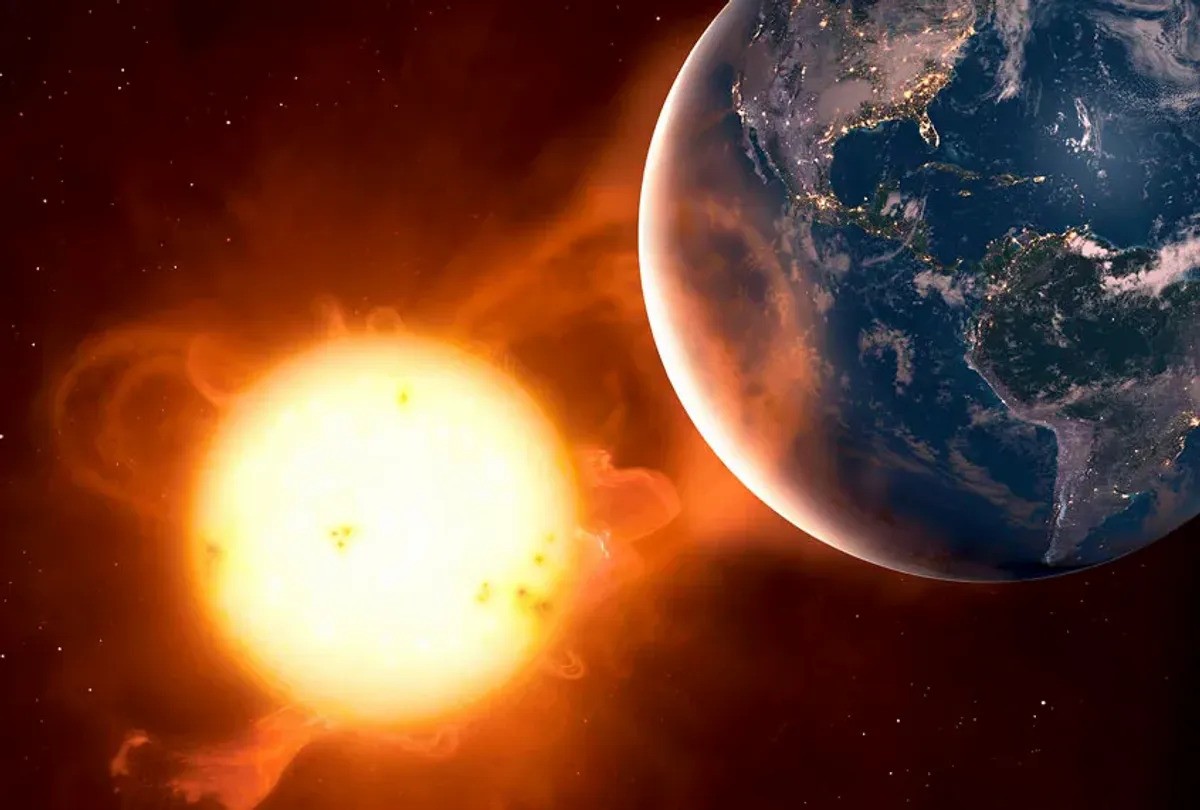
The relationship between solar activity and earthquakes is a complex and intriguing area of study. While the direct connection between solar activity and seismic events is not fully understood, several mechanisms have been proposed that suggest a potential influence. Here’s an overview of how solar activity might impact earthquakes.
1. Solar Flares and Cosmic Rays
Solar flares are intense bursts of radiation from the sun that can increase the flux of cosmic rays reaching the Earth. Some researchers suggest that these cosmic rays may influence the electrical properties of rocks in the Earth's crust. Changes in the electrical charge within rocks could potentially affect the stress distribution along fault lines, making it easier for an earthquake to occur.
2. Geomagnetic Storms
When solar activity is high, it can lead to geomagnetic storms caused by the interaction of solar wind with the Earth’s magnetic field. These storms can induce electric currents in the Earth’s crust, which may alter the stress conditions in fault zones. Some studies have indicated a correlation between periods of intense geomagnetic activity and increased seismic activity, although the exact mechanisms remain unclear.
3. Tidal Forces
Solar activity can influence the gravitational pull exerted on the Earth by the sun. This gravitational force, combined with the moon's influence, creates tidal forces that can affect the Earth's crust. During periods of high solar activity, the combined gravitational effects may contribute to the buildup of stress along fault lines, potentially triggering earthquakes.
4. Atmospheric Changes
Solar activity can also impact the Earth's atmosphere, leading to changes in weather patterns and atmospheric pressure. Some researchers propose that these atmospheric changes could indirectly influence seismic activity by affecting the stress distribution in the Earth's crust. For example, significant changes in atmospheric pressure could alter the load on fault lines, potentially triggering earthquakes.
5. Statistical Correlations
Some studies have attempted to find statistical correlations between solar activity cycles (such as the 11-year solar cycle) and the frequency of earthquakes. While some researchers have reported potential links, the evidence remains inconclusive, and more research is needed to establish any definitive connections.
While there are several proposed mechanisms by which solar activity could influence earthquakes, the relationship is not yet fully understood and remains a topic of ongoing research. The complexity of geological processes and the multitude of factors that contribute to seismic activity make it challenging to draw direct conclusions. Continued study in this area may provide further insights into the potential connections between solar activity and earthquakes, enhancing our understanding of both solar phenomena and seismic events.