Home Upload Photo Upload Videos Write a Blog Analytics Messaging Streaming Create Adverts Creators Program
Bebuzee Afghanistan Bebuzee Albania Bebuzee Algeria Bebuzee Andorra Bebuzee Angola Bebuzee Antigua and Barbuda Bebuzee Argentina Bebuzee Armenia Bebuzee Australia Bebuzee Austria Bebuzee Azerbaijan Bebuzee Bahamas Bebuzee Bahrain Bebuzee Bangladesh Bebuzee Barbados Bebuzee Belarus Bebuzee Belgium Bebuzee Belize Bebuzee Benin Bebuzee Bhutan Bebuzee Bolivia Bebuzee Bosnia and Herzegovina Bebuzee Botswana Bebuzee Brazil Bebuzee Brunei Bebuzee Bulgaria Bebuzee Burkina Faso Bebuzee Burundi Bebuzee Cabo Verde Bebuzee Cambodia Bebuzee Cameroon Bebuzee Canada Bebuzee Central African Republic Bebuzee Chad Bebuzee Chile Bebuzee China Bebuzee Colombia Bebuzee Comoros Bebuzee Costa Rica Bebuzee Côte d'Ivoire Bebuzee Croatia Bebuzee Cuba Bebuzee Cyprus Bebuzee Czech Republic Bebuzee Democratic Republic of the Congo Bebuzee Denmark Bebuzee Djibouti Bebuzee Dominica Bebuzee Dominican Republic Bebuzee Ecuador Bebuzee Egypt Bebuzee El Salvador Bebuzee Equatorial Guinea Bebuzee Eritrea Bebuzee Estonia Bebuzee Eswatini Bebuzee Ethiopia Bebuzee Fiji Bebuzee Finland Bebuzee France Bebuzee Gabon Bebuzee Gambia Bebuzee Georgia Bebuzee Germany Bebuzee Ghana Bebuzee Greece Bebuzee Grenada Bebuzee Guatemala Bebuzee Guinea Bebuzee Guinea-Bissau Bebuzee Guyana Bebuzee Haiti Bebuzee Honduras Bebuzee Hong Kong Bebuzee Hungary Bebuzee Iceland Bebuzee India Bebuzee Indonesia Bebuzee Iran Bebuzee Iraq Bebuzee Ireland Bebuzee Israel Bebuzee Italy Bebuzee Jamaica Bebuzee Japan Bebuzee Jordan Bebuzee Kazakhstan Bebuzee Kenya Bebuzee Kiribati Bebuzee Kuwait Bebuzee Kyrgyzstan Bebuzee Laos Bebuzee Latvia Bebuzee Lebanon Bebuzee Lesotho Bebuzee Liberia Bebuzee Libya Bebuzee Liechtenstein Bebuzee Lithuania Bebuzee Luxembourg Bebuzee Madagascar Bebuzee Malawi Bebuzee Malaysia Bebuzee Maldives Bebuzee Mali Bebuzee Malta Bebuzee Marshall Islands Bebuzee Mauritania Bebuzee Mauritius Bebuzee Mexico Bebuzee Micronesia Bebuzee Moldova Bebuzee Monaco Bebuzee Mongolia Bebuzee Montenegro Bebuzee Morocco Bebuzee Mozambique Bebuzee Myanmar Bebuzee Namibia Bebuzee Nauru Bebuzee Nepal Bebuzee Netherlands Bebuzee New Zealand Bebuzee Nicaragua Bebuzee Niger Bebuzee Nigeria Bebuzee North Korea Bebuzee North Macedonia Bebuzee Norway Bebuzee Oman Bebuzee Pakistan Bebuzee Palau Bebuzee Panama Bebuzee Papua New Guinea Bebuzee Paraguay Bebuzee Peru Bebuzee Philippines Bebuzee Poland Bebuzee Portugal Bebuzee Qatar Bebuzee Republic of the Congo Bebuzee Romania Bebuzee Russia Bebuzee Rwanda Bebuzee Saint Kitts and Nevis Bebuzee Saint Lucia Bebuzee Saint Vincent and the Grenadines Bebuzee Samoa Bebuzee San Marino Bebuzee São Tomé and Príncipe Bebuzee Saudi Arabia Bebuzee Senegal Bebuzee Serbia Bebuzee Seychelles Bebuzee Sierra Leone Bebuzee Singapore Bebuzee Slovakia Bebuzee Slovenia Bebuzee Solomon Islands Bebuzee Somalia Bebuzee South Africa Bebuzee South Korea Bebuzee South Sudan Bebuzee Spain Bebuzee Sri Lanka Bebuzee Sudan Bebuzee Suriname Bebuzee Sweden Bebuzee Switzerland Bebuzee Syria Bebuzee Taiwan Bebuzee Tajikistan Bebuzee Tanzania Bebuzee Thailand Bebuzee Timor-Leste Bebuzee Togo Bebuzee Tonga Bebuzee Trinidad and Tobago Bebuzee Tunisia Bebuzee Turkey Bebuzee Turkmenistan Bebuzee Tuvalu Bebuzee Uganda Bebuzee Ukraine Bebuzee United Arab Emirates Bebuzee United Kingdom Bebuzee Uruguay Bebuzee Uzbekistan Bebuzee Vanuatu Bebuzee Venezuela Bebuzee Vietnam Bebuzee World Wide Bebuzee Yemen Bebuzee Zambia Bebuzee Zimbabwe
Blog Image

Innovative Antibacterial Strategy Shows Promise for Treating Infections

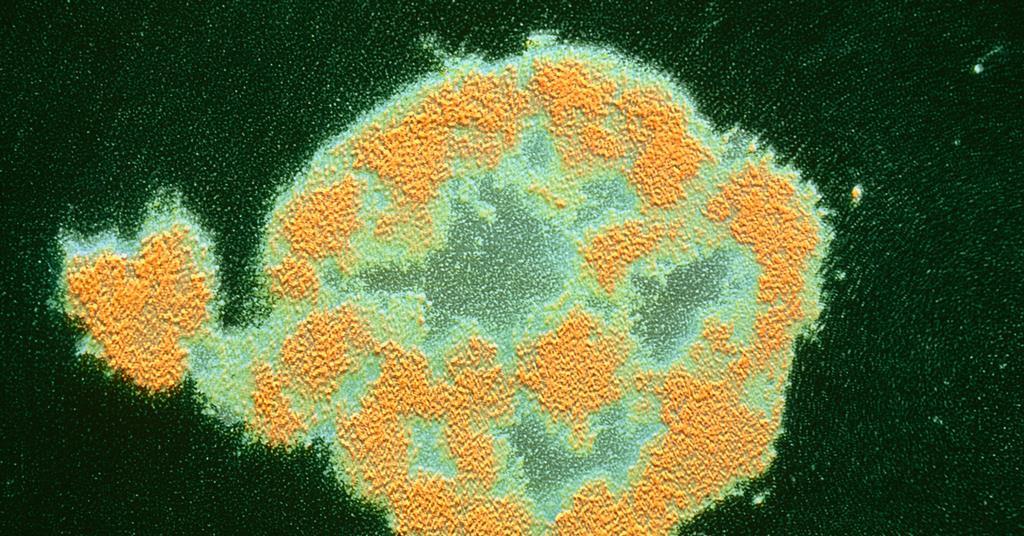
A groundbreaking discovery in the field of antibacterial research has led to the development of a novel molecule that aggregates in bacteria and destroys them from the inside, offering a promising new way to treat infections while minimizing the risk of antibacterial drug resistance.

The innovative approach, developed by a team of scientists, involves the use of a diarginine peptidomimetic molecule, a small protein fragment containing two arginine amino acid units separated by a spacer group. This compound has been shown to be highly effective in targeting and eliminating bacterial cells, while leaving human cells intact.

The mechanism of action of this molecule is unique and multifaceted. Once inside the bacterial cell, the diarginine peptidomimetic molecule binds to bacterial DNA, causing a disruption in the cell's genetic machinery. This binding event triggers a cascade of events that ultimately leads to the rupture of the bacterial cell membrane, resulting in the death of the bacterial cell.

The researchers were able to demonstrate the efficacy of this approach using a range of bacterial species, including Escherichia coli, Staphylococcus aureus, and Pseudomonas aeruginosa. In each case, the diarginine peptidomimetic molecule was able to effectively eliminate the bacterial cells, while showing minimal toxicity to human cells.

One of the most significant advantages of this approach is its potential to minimize the risk of antibacterial drug resistance. Traditional antibiotics work by targeting specific biochemical pathways in bacterial cells, which can lead to the development of resistance over time. In contrast, the diarginine peptidomimetic molecule works by disrupting the bacterial cell membrane, a mechanism that is less likely to be affected by resistance mutations.

The researchers believe that this innovative approach could be used to develop new antibacterial therapies that are more effective and sustainable than traditional antibiotics. The diarginine peptidomimetic molecule could be used as a standalone treatment, or in combination with existing antibiotics to enhance their effectiveness.

In conclusion, this innovative antibacterial strategy offers a promising new way to treat infections while minimizing the risk of antibacterial drug resistance. The diarginine peptidomimetic molecule's unique mechanism of action and high efficacy make it an attractive candidate for further development, and its potential applications are vast. As the global health community continues to grapple with the challenges of antibacterial resistance, this breakthrough discovery offers a beacon of hope for the future.


Previous Post

Scientists discover cancer causing 'mechanism' used by certain bacteria

Next Post

Egyptian Scientist Brings Solar-Powered Electricity to Basaisa Village

Comments