Tuning Polymer Microstructure Produces Adhesive Stickier Than Super Glue
-
 Loading...
 - Jantina Tueling
- 23 Jan 2025
- 38 Views
- 0 Like
- 0 Comment
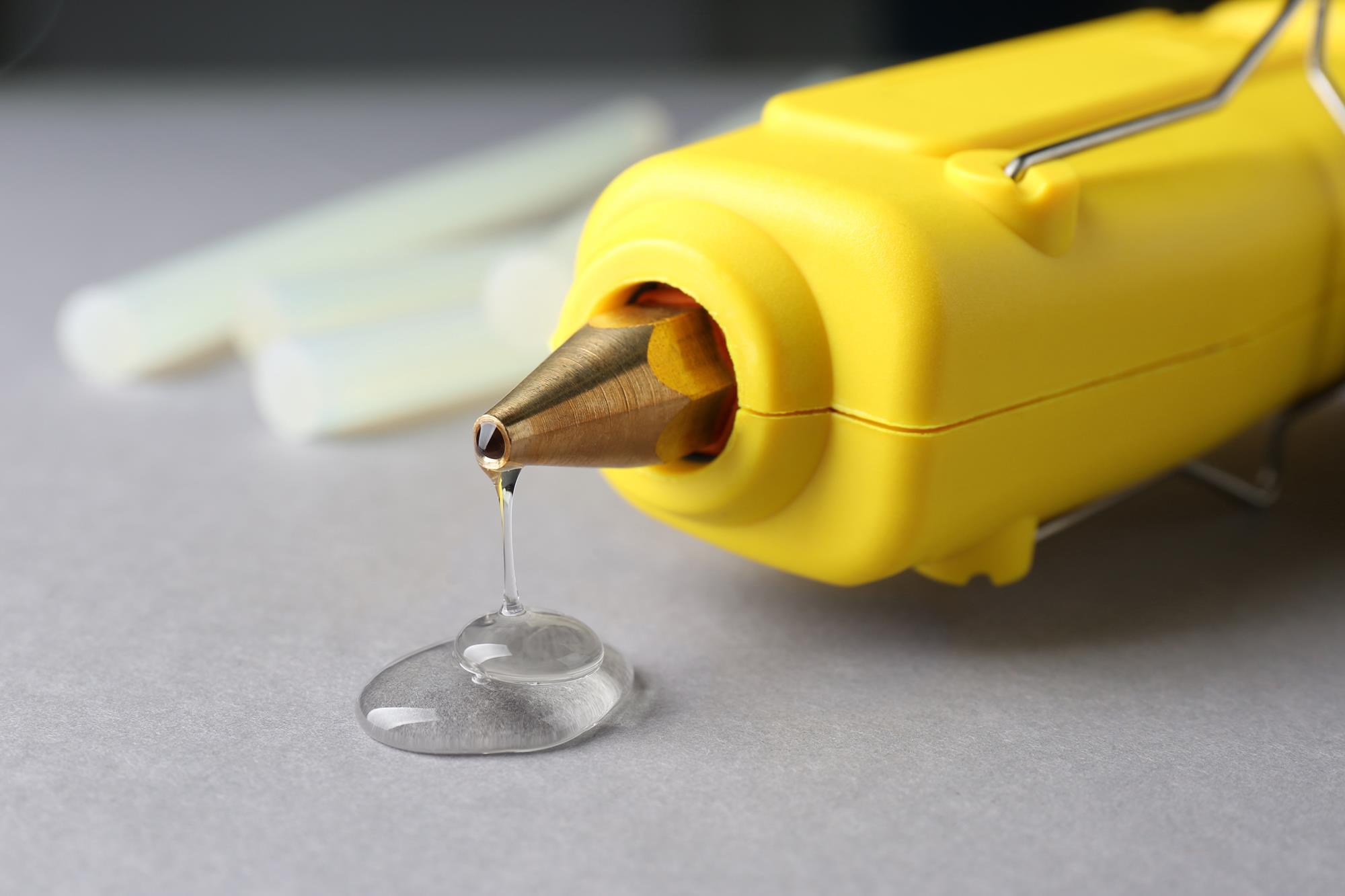
Researchers in the United States have made a significant breakthrough in adhesive technology by manipulating the microstructure of a biodegradable polyester. This innovative approach has led to the development of a recyclable adhesive polymer that surpasses the strength of traditional super glue.
The key to this advancement lies in the careful control of the order and orientation of monomer units within the polymer. By tuning these microstructural elements, the research team was able to enhance both the adhesive properties and the thermomechanical characteristics of the material. This engineering process allows the polymer to be tailored for a wide range of real-world applications, making it not only effective but also environmentally friendly.
The new adhesive's superior strength and versatility open up possibilities for its use in various fields, including construction, packaging, and medical applications. As the demand for sustainable materials continues to grow, this development represents a promising step toward creating high-performance adhesives that are both effective and eco-friendly.
This research highlights the potential of advanced polymer science in addressing modern challenges, paving the way for innovative solutions that prioritize sustainability without compromising on performance. The implications of this research extend beyond just adhesive applications. The ability to fine-tune polymer microstructures can lead to advancements in other materials, potentially impacting industries such as automotive, aerospace, and electronics. By leveraging the principles of polymer engineering, researchers can create materials that not only meet specific performance criteria but also align with sustainability goals.
Furthermore, the development of such adhesives could revolutionize product design and manufacturing processes. For instance, in the packaging industry, stronger and recyclable adhesives can reduce waste and improve the longevity of products. In the medical field, the use of biodegradable adhesives can enhance patient care by providing safer and more effective bonding solutions for various applications.
As this research progresses, further studies may explore the scalability of production methods and the long-term performance of these adhesives in real-world conditions. The potential for commercialization could lead to a new era of sustainable materials that meet the demands of both consumers and industries while contributing positively to environmental conservation efforts. The findings from this research not only emphasize the importance of innovation in material science but also highlight the role of interdisciplinary collaboration in achieving such breakthroughs. By combining insights from chemistry, engineering, and environmental science, researchers can develop solutions that address pressing global challenges.
Moreover, the adaptability of the newly developed adhesive opens avenues for customization in various applications. Industries can tailor the adhesive properties to meet specific requirements, such as varying levels of stickiness or resistance to environmental factors. This flexibility can enhance product performance and user experience across different sectors.
As the market for sustainable products expands, the introduction of this advanced adhesive could set a new standard for performance and environmental responsibility. Companies that adopt these materials may gain a competitive edge by appealing to eco-conscious consumers and aligning with regulatory trends favoring sustainability.
In conclusion, the development of a biodegradable adhesive that outperforms traditional options marks a significant milestone in polymer research. It not only showcases the potential of engineered materials but also reinforces the importance of sustainability in innovation. Future research will likely focus on optimizing production techniques and exploring additional applications, further solidifying the role of advanced polymers in a sustainable future.