Archaeologists Uncover Ancient Temple and Theater in Peru
-
 Loading...
 - Callum Mitchell
- 30 Jul 2024
- 47 Views
- 0 Like
- 0 Comment
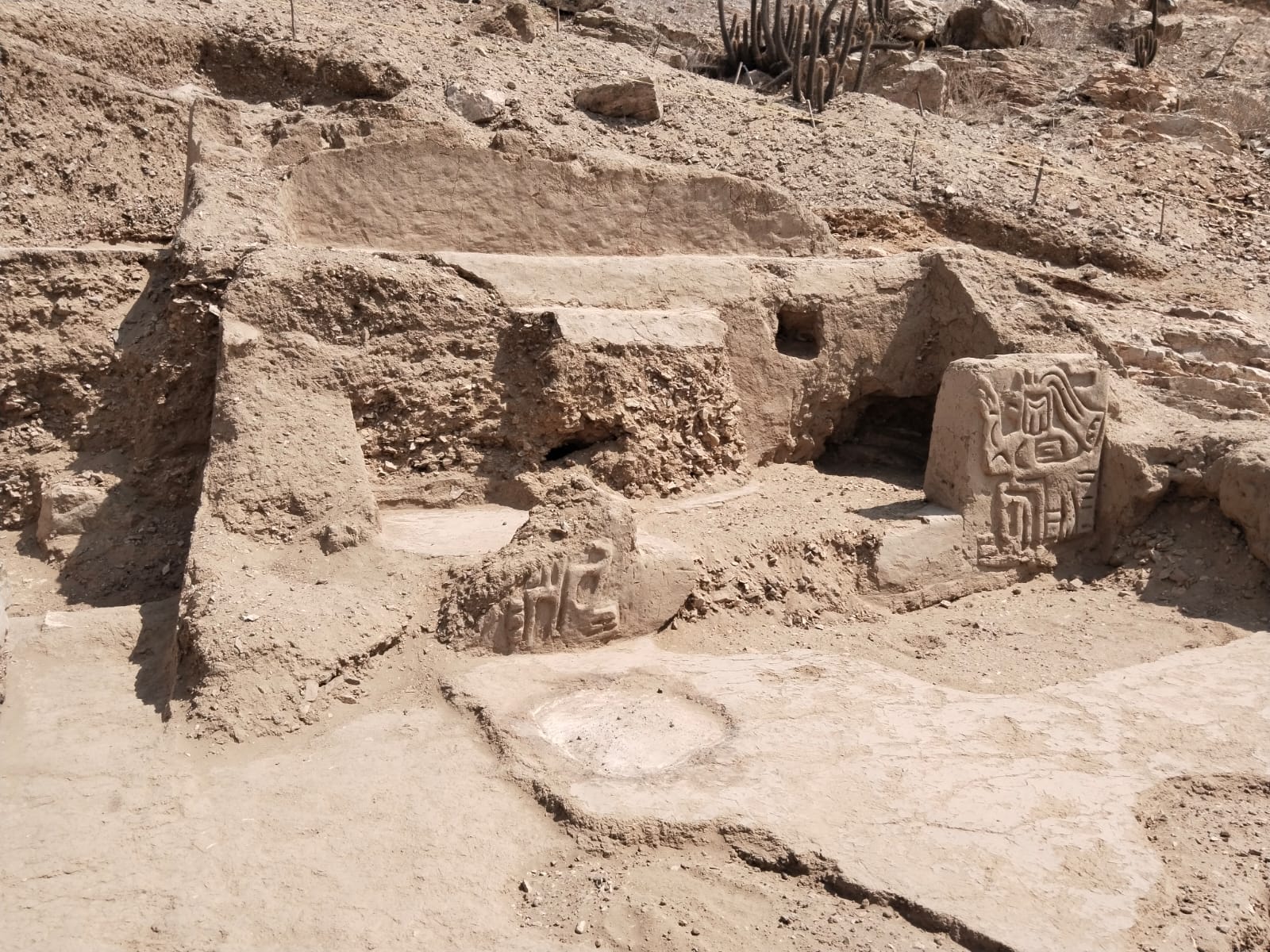
A groundbreaking archaeological discovery has taken place in coastal Peru, where a team led by Field Museum scientist Luis Muro Ynoñán unearthed the remains of a four-thousand-year-old temple and theater. This discovery sheds new light on the early origins of religion in the Andes and provides insight into the complex belief systems of ancient societies in this region.
Significant Findings
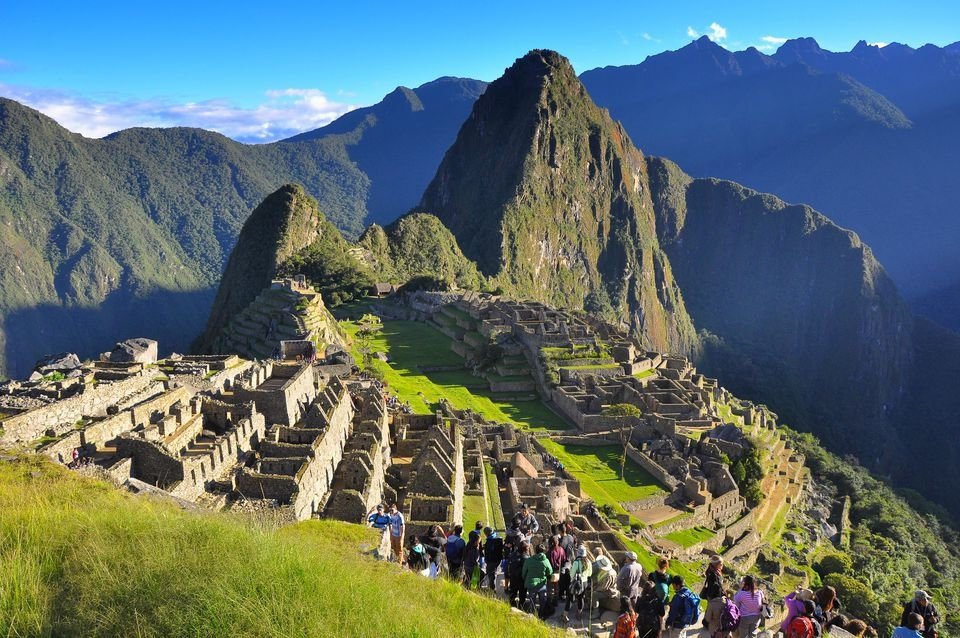
Historical Context: The newly-discovered temple predates the famous Inca citadel of Machu Picchu by approximately 3,500 years, highlighting the advanced nature of early Andean civilizations. This structure was constructed long before the rise of the Inca, Moche, and Nazca cultures.
Site Discovery: The site, named La Otra Banda, Cerro Las Animas, was brought to the attention of Ynoñán and his team in 2023 due to concerns about looting near the historic town of Zaña. With support from organizations like Dumbarton Oaks, Archaeology in Action, and the Pontifical Catholic University of Peru, the team began excavation in June 2024.
Excavation Details
Excavation Process: The archaeologists selected a plot measuring approximately 33 by 33 feet (10 by 10 meters). At a depth of just six feet, they discovered ancient walls made of mud and clay, remarkably close to the modern surface.
Temple Structure: The evidence suggests that a large temple was built into the side of the mountain. Among the significant findings was a small theater featuring a backstage area and a staircase leading to a stage-like platform, likely used for ritual performances.
Decorative Panels: One of the theater’s staircases was flanked by mud panels adorned with elaborate carved designs depicting a mythological bird-like creature with reptilian features. This intriguing design provides important clues about the period in which the temple was built and its connection to other ancient Andean structures.
Implications of the Discovery
Early Religious Practices: This discovery offers valuable evidence about the early religious spaces and belief systems of ancient Andean societies. It helps archaeologists understand how complex religious systems emerged in this part of the world.
Cultural Insights: The findings contribute to the limited knowledge about the creators of these structures, as little is known about these people beyond their architectural and artistic creations.
Luis Muro Ynoñán expressed his amazement at the discovery, stating, "This discovery tells us about the early origins of religion in Peru. We still know very little about how and under which circumstances complex belief systems emerged in the Andes, and now we have evidence about some of the earliest religious spaces that people were creating in this part of the world."
This significant archaeological find not only highlights the advanced nature of early Andean civilizations but also underscores the importance of protecting and studying ancient sites to uncover the rich history of human development and cultural practices.