Spanish Researchers Seek to Unravel Enigma of Canaries' Skeleton Cave
-
 Loading...
 - jasper elsie
- 18 May 2023
- 88 Views
- 0 Like
- 0 Comment
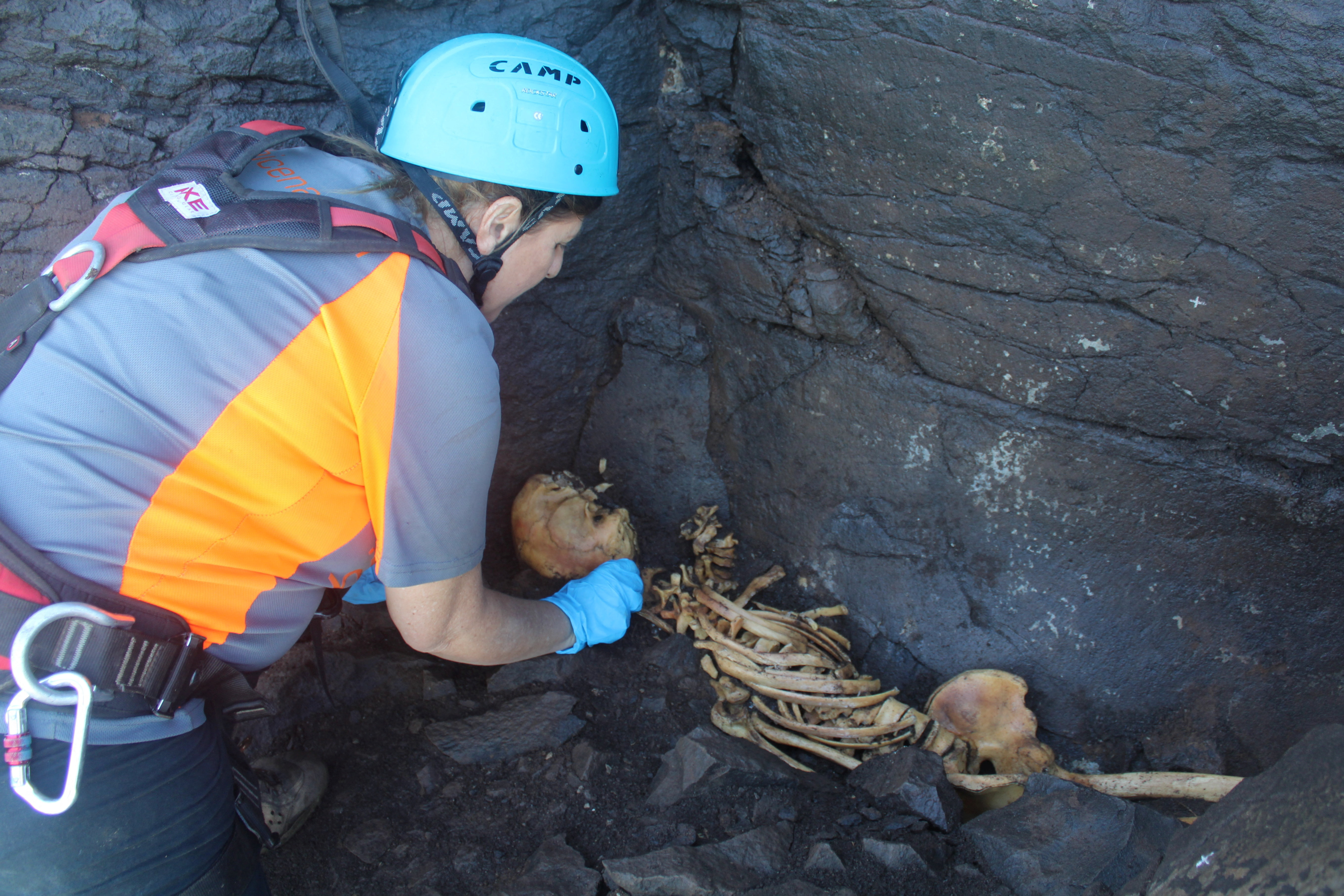
Archaeologists on the picturesque Gran Canaria island in Spain find themselves perplexed by the identities of six young men whose remains were discovered in a cliff-side cave.
The skeletons, positioned face-down with bound hands and covered with stones, present a historical mystery that may predate the Spanish conquest of the archipelago in the 15th century, according to evidence at the Caleta de Arriba site.
Veronica Alberto, the excavation's leader, shed light on the peculiar nature of the find, stating, "They were not interred in the conventional sense... This funerary ritual signifies an incredibly potent symbolic act of violence."
She further explained to Reuters that the bodies were deliberately placed on the rocky surface and then subjected to the weight of thrown stones, with some individuals bearing straps or bindings on their limbs.
While the possibility of an indigenous burial exists, Alberto emphasized the need to broaden the scope of investigation, considering that the remains might originate from later periods post-dating the conquest—perhaps from the 16th, 17th, or 18th centuries. As no accompanying artifacts were found to assist in determining the timeframe, scientists eagerly await the results of radiocarbon dating tests conducted on the bones.
Given the treacherous terrain, the archaeologists diligently employ safety ropes during their work, and the absence of female remains suggests that this burial site deviates from the norm. Additionally, the uniformly robust arms of all six individuals imply their involvement in a shared physical pursuit.