Home Upload Photo Upload Videos Write a Blog Analytics Messaging Streaming Create Adverts Creators Program
Bebuzee Afghanistan Bebuzee Albania Bebuzee Algeria Bebuzee Andorra Bebuzee Angola Bebuzee Antigua and Barbuda Bebuzee Argentina Bebuzee Armenia Bebuzee Australia Bebuzee Austria Bebuzee Azerbaijan Bebuzee Bahamas Bebuzee Bahrain Bebuzee Bangladesh Bebuzee Barbados Bebuzee Belarus Bebuzee Belgium Bebuzee Belize Bebuzee Benin Bebuzee Bhutan Bebuzee Bolivia Bebuzee Bosnia and Herzegovina Bebuzee Botswana Bebuzee Brazil Bebuzee Brunei Bebuzee Bulgaria Bebuzee Burkina Faso Bebuzee Burundi Bebuzee Cabo Verde Bebuzee Cambodia Bebuzee Cameroon Bebuzee Canada Bebuzee Central African Republic Bebuzee Chad Bebuzee Chile Bebuzee China Bebuzee Colombia Bebuzee Comoros Bebuzee Costa Rica Bebuzee Côte d'Ivoire Bebuzee Croatia Bebuzee Cuba Bebuzee Cyprus Bebuzee Czech Republic Bebuzee Democratic Republic of the Congo Bebuzee Denmark Bebuzee Djibouti Bebuzee Dominica Bebuzee Dominican Republic Bebuzee Ecuador Bebuzee Egypt Bebuzee El Salvador Bebuzee Equatorial Guinea Bebuzee Eritrea Bebuzee Estonia Bebuzee Eswatini Bebuzee Ethiopia Bebuzee Fiji Bebuzee Finland Bebuzee France Bebuzee Gabon Bebuzee Gambia Bebuzee Georgia Bebuzee Germany Bebuzee Ghana Bebuzee Greece Bebuzee Grenada Bebuzee Guatemala Bebuzee Guinea Bebuzee Guinea-Bissau Bebuzee Guyana Bebuzee Haiti Bebuzee Honduras Bebuzee Hong Kong Bebuzee Hungary Bebuzee Iceland Bebuzee India Bebuzee Indonesia Bebuzee Iran Bebuzee Iraq Bebuzee Ireland Bebuzee Israel Bebuzee Italy Bebuzee Jamaica Bebuzee Japan Bebuzee Jordan Bebuzee Kazakhstan Bebuzee Kenya Bebuzee Kiribati Bebuzee Kuwait Bebuzee Kyrgyzstan Bebuzee Laos Bebuzee Latvia Bebuzee Lebanon Bebuzee Lesotho Bebuzee Liberia Bebuzee Libya Bebuzee Liechtenstein Bebuzee Lithuania Bebuzee Luxembourg Bebuzee Madagascar Bebuzee Malawi Bebuzee Malaysia Bebuzee Maldives Bebuzee Mali Bebuzee Malta Bebuzee Marshall Islands Bebuzee Mauritania Bebuzee Mauritius Bebuzee Mexico Bebuzee Micronesia Bebuzee Moldova Bebuzee Monaco Bebuzee Mongolia Bebuzee Montenegro Bebuzee Morocco Bebuzee Mozambique Bebuzee Myanmar Bebuzee Namibia Bebuzee Nauru Bebuzee Nepal Bebuzee Netherlands Bebuzee New Zealand Bebuzee Nicaragua Bebuzee Niger Bebuzee Nigeria Bebuzee North Korea Bebuzee North Macedonia Bebuzee Norway Bebuzee Oman Bebuzee Pakistan Bebuzee Palau Bebuzee Panama Bebuzee Papua New Guinea Bebuzee Paraguay Bebuzee Peru Bebuzee Philippines Bebuzee Poland Bebuzee Portugal Bebuzee Qatar Bebuzee Republic of the Congo Bebuzee Romania Bebuzee Russia Bebuzee Rwanda Bebuzee Saint Kitts and Nevis Bebuzee Saint Lucia Bebuzee Saint Vincent and the Grenadines Bebuzee Samoa Bebuzee San Marino Bebuzee São Tomé and Príncipe Bebuzee Saudi Arabia Bebuzee Senegal Bebuzee Serbia Bebuzee Seychelles Bebuzee Sierra Leone Bebuzee Singapore Bebuzee Slovakia Bebuzee Slovenia Bebuzee Solomon Islands Bebuzee Somalia Bebuzee South Africa Bebuzee South Korea Bebuzee South Sudan Bebuzee Spain Bebuzee Sri Lanka Bebuzee Sudan Bebuzee Suriname Bebuzee Sweden Bebuzee Switzerland Bebuzee Syria Bebuzee Taiwan Bebuzee Tajikistan Bebuzee Tanzania Bebuzee Thailand Bebuzee Timor-Leste Bebuzee Togo Bebuzee Tonga Bebuzee Trinidad and Tobago Bebuzee Tunisia Bebuzee Turkey Bebuzee Turkmenistan Bebuzee Tuvalu Bebuzee Uganda Bebuzee Ukraine Bebuzee United Arab Emirates Bebuzee United Kingdom Bebuzee Uruguay Bebuzee Uzbekistan Bebuzee Vanuatu Bebuzee Venezuela Bebuzee Vietnam Bebuzee World Wide Bebuzee Yemen Bebuzee Zambia Bebuzee Zimbabwe
Blog Image

Blind Mexican cave fish are developing cave-specific accents

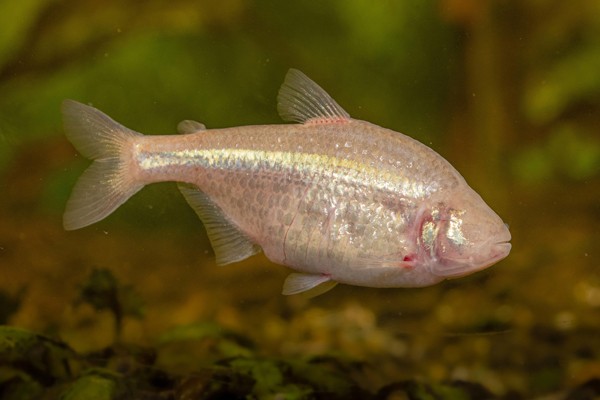
The Mexican tetra has evolved to live in a number of dark caves – and now we know that the fish in each cave use clicks to communicate in distinct ways.

In the underground caves of north-eastern Mexico, groups of blind fish appear to be developing cave-specific accents. The linguistic split could eventually contribute to ongoing speciation among the fish.

The Mexican tetra (Astyanax mexicanus) is no stranger to diversification. It exists in two forms: one with good vision that lives in light-drenched rivers, the other blind with a translucent body, which began evolving perhaps only 20,000 years ago as some fish populated dark underground caves.

Like many fish, A. mexicanus uses noise to communicate. It produces at least six distinct sounds for this, though their meaning seems to have shifted among the cave-dwellers as they adjusted to living in darkness. A particular form of sharp click used by sighted fish in aggressive encounters, for example, is produced by their blind counterparts while foraging.

Carole Hyacinthe at Harvard University wondered if the communication also varied between fish evolving in different caves.

Hyacinthe and her colleagues analysed 44 hours of fish chatter recorded in six caves, spread across the three mountain ranges where cave colonisation is thought to have taken place independently. The team focused on clicks and repeated clicks, the two most commonly used sounds. They compared a range of acoustic values, including the length of each click, pitch and the rate at which multiple clicks were produced in sequence.

They found several significant, distinct variations between the caves. Clicks were pitched relatively high in a cave called Molino, while they were deep and booming in a cave called Subterráneo. Fish inhabiting a cave called Pachón fired off clicks up to 10 times more rapidly than in other caves, while in a cave called Tinaja, clicks were more drawn out. In a cave called Chica, where hybrid populations of surface and cavefish are thought to live, sounds were more varied than elsewhere.

Sounds in a cave called Los Sabinos were similar to nearby Chica, but also Subterráneo and Molino, which are in different regions. This supports the idea that the sounds evolved independently and weren’t related to physical proximity.

The team then used a statistical analysis commonly deployed in acoustics to assign sounds into groups, which also suggested separate patterns in each cave.

“This is a very intriguing and creative piece of work,” says Suzanne McGaugh at the University of Minnesota, who wasn’t involved in the study. It would be interesting to see if communication varies between surface populations as well, she says.

The new accents are probably the result of totally random genetic drift, says Sylvie Rétaux at the University of Paris-Saclay, a co-author of the study.

Eventually, the authors speculate, communication difficulties could contribute to speciation. Further experiments involving sound playback would be critical to explore this. “Maybe after a million years it will have drifted so much that they will not be able to understand each other anymore,” says Rétaux.

Hyacinthe is now exploring sound production in the cavefish on a more fundamental level, as the mechanisms are still unknown. “Astyanax is a very good model to investigate the genetic basis of the evolution of sounds,” she says. Read More...


Previous Post

Six of the world's smallest frogs discovered in Mexico

Next Post

Hurricane Bonnie off Mexico briefly season's 1st major storm

Comments