Six of the world's smallest frogs discovered in Mexico
-
 Loading...
 - Nicholas Leos
- 01 Jul 2022
- 162 Views
- 0 Like
- 0 Comment
Living in Mexican forests, the miniature amphibians face big challenges in the coming years, with scientists calling for them to be better protected.
Some of the world's smallest vertebrates have been discovered in Mexico.
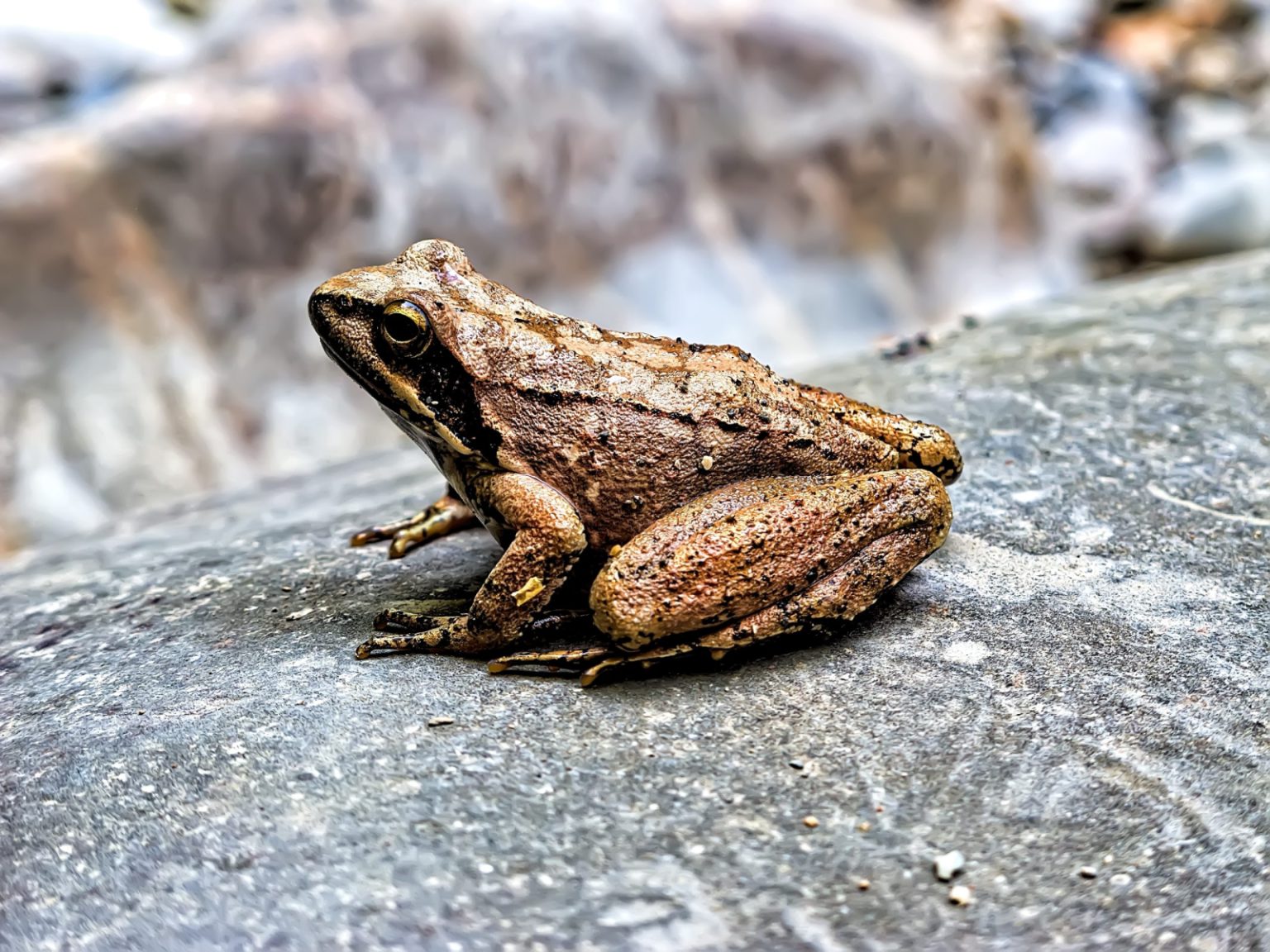
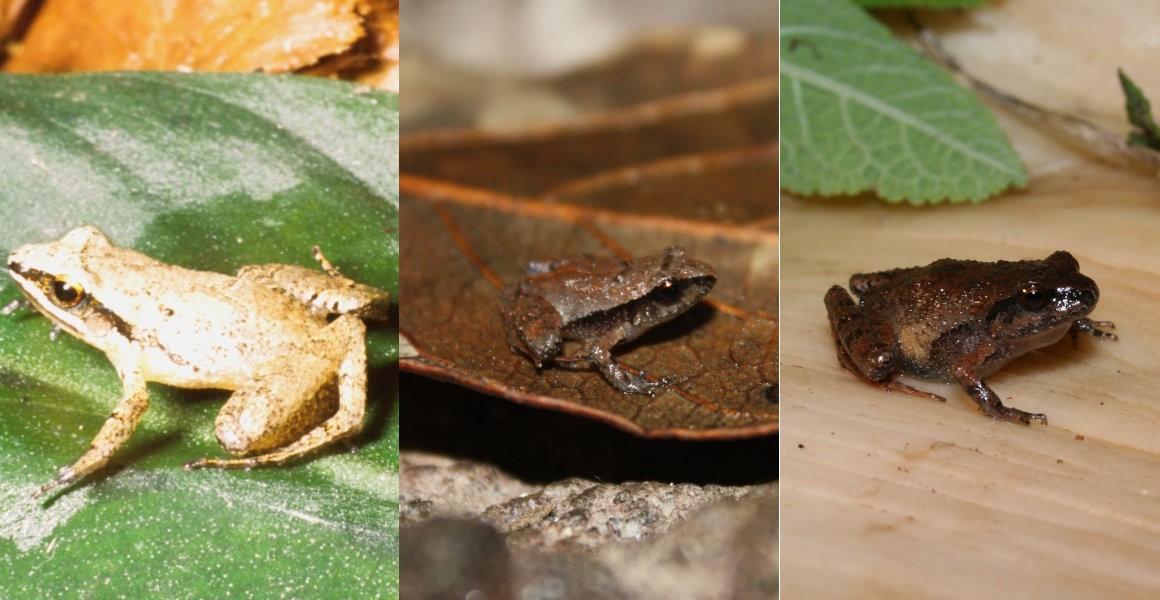
With some of the frogs as short as 13 millimetres, the six new Craugastor species are pill-sized frogs, living across a variety of habitats in Mexico. Their confusion with close relatives has allowed them to go undiscovered by science until now.
For Dr Jeff Streicher, the Senior Curator in Charge of amphibians and reptiles at the Museum who helped describe these species, it is the end of a journey he began with his PhD over a decade ago.
'As part of a chapter in my PhD dissertation, I was working on these small, direct developing frogs from Mexico,' he recalls. 'My supervisor and I were interested in them because they are really abundant, whereas many frogs are quite hard to find.
'Despite this, taxonomists have not studied the group very much because they are very variable in their size and colouration, so it felt like a special challenge.
'As often happens, I had many different things I was working on, and this chapter of my PhD never quite got to where I wanted it to be. Since beginning work at the Museum, I found students who shared my passion for these frogs, and so finally, 12 years later, we've been able to make sense of some of the species' relationships in this group.'
The description of the new species was published in the journal Herpetological Monographs.

What are the world's smallest frogs?
While these frogs are tiny, they're not the current record holders for the smallest amphibians.
For many years, the world's smallest frog was thought to be the Brazilian gold frog (Brachycephalus didactylus). Measuring just 8.6 millimetres long, the tiny frog was believed to be the smallest land animal after its discovery in the 1970s.
However, in 2012, Paedophryne amanuensis was found in Papua New Guinea. Males measure just 7.7 millimetres long on average, and it was only discovered when researchers listening to frog noises homed in on its unique call.
Why animals get so small is still something of a mystery. For larger animals, the process of insular miniaturisation, where populations isolated in small environments shrink in size, is associated with reduced predation pressure and less available food.
However, for already small animals such as frogs, shrinking can push their bodies to the limit. It can lead to the loss of bones, thinner skeletons, and can lead to stages of their lifecycle being skipped. For instance, many small frogs never become tadpoles, instead emerging from the egg fully formed through the process of direct development, as observed in the species of Craugastor.
Accelerating the lifecycle and limiting growth may allow miniaturised animals to emerge more quickly than their larger counterparts and give them a head start on reproduction. In addition, being small allows these animals to exploit different food resources and habitats, like the leaf litter inhabited by P. amanuensis.
With further research needed into finding out why bigger isn't always better for some species, the six new species of Craugastor add new information for scientists to discuss.

How were the new miniature frogs discovered?
The Craugastor frogs of Mexico and Guatemala live in the leaf litter of a variety of different forests from mountain woodland to rainforest. They span a range of different sizes and colourations, with many species living side by side.
This means that the miniature frog species may have been mistaken for the juveniles of larger relatives, and so the scientists set out to reassess these amphibians and discover just how many species there actually are.
Frogs held in natural history collections around the world were studied to reveal details about their characteristics and genetics. Along the way, team found an unusual method of inferring where a small frog was an adult or just a juvenile of a larger species.
'It can be challenging to find out if a frog is adult or not, especially when it has been in a Museum collection for some time,' Jeff explains. 'One helpful aspect of their anatomy is that the males of nearly all species have pigmented testes. It seems that as the testes develop, they become more pigmented, so male frogs with much darker testes are likely sexually mature.
In total, six new species were described, bringing the total number of this group of Mexican frogs to 12. These include C. bitonium, named after its two-tone colour pattern, along with others named for the local area.
'It's difficult to pick a favourite, but C. cueyatl stands out as it is named for an Aztec word for frog,' Jeff says. 'It felt good to honour the rich and deep human history of the Valley of Mexico, as the Aztecs would probably have been aware of this species. Read More...