Big Business Could Wipe Out Mexico's Sacred Psychedelic Peyote Cactus
-
 Loading...
 - Jason Chloros
- 01 Jul 2022
- 123 Views
- 0 Like
- 0 Comment
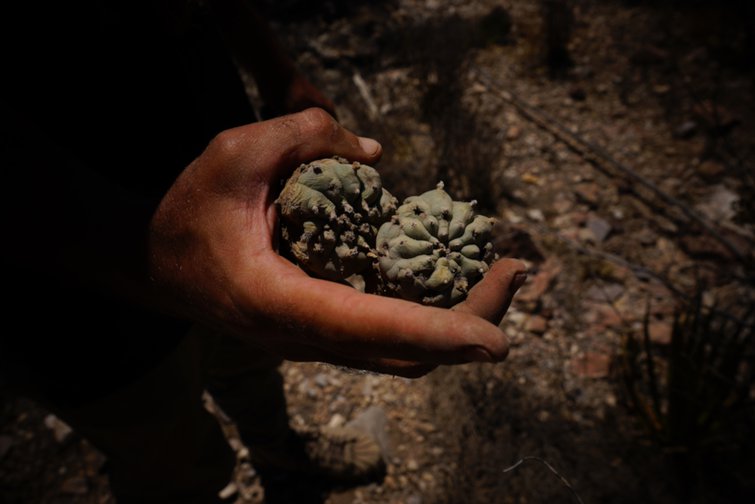
When the Spanish conquistadors arrived in Mexico half a millennium ago, they sought to convince Indigenous people that consumption of peyote, an inconspicuous cactus that contains the psychedelic drug mescaline, was akin to devil worship.
But the draconian measures imposed by the Spanish did not stop the consumption of the hallucinogenic drug, it just forced the ceremonies into more secrecy. Peyote remains central to the traditions of the Wixárika – more commonly known as the Huichol – who are native to the Sierra Madre Occidental mountain range in north-west Mexico. It is woven into their origin story and considered a way of connecting with ancestors, deities and the natural world. These sacred rites may date back thousands of years.
Today, however, scarcity looms for the thornless, button-like cactus – which occasionally produces pink flowers but otherwise sits camouflaged beneath the desert shrubs. This is due to both booming demand for peyote and deforestation caused by the expansion of the agribusiness sector in the central state of San Luis Potosí (and beyond).
This is where Wirikuta is located – part of the desert where peyote grows, and where the Wixárika believe the world was created. The Wixárika undertake regular pilgrimages to this sacred site to access the medicinal plant.
Where vast swathes of dense vegetation once grew, including peyote, there are now colossal greenhouses, giant rectangles of cultivated land and millions of chickens and pigs caged in industrial units. Experts say it is more difficult to find endemic peyote these days.
“Peyote was already threatened by overexploitation and illegal trafficking, but in the last ten years, hundreds of hectares of this unique desert ecosystem have been lost – due to the expansion of industrial agricultural greenhouses and monoculture croplands for the production of thousands of tons of tomatoes and peppers for the US market,” says agroecology consultant Gerardo Ruiz Smith, who has conducted independent research in the area.
Where peyote once grew, there are now colossal greenhouses and millions of caged chickens and pigs
Mescaline first became widely known in the West after the publication of Aldous Huxley’s 1954 ‘Doors of Perception’ and Hunter S. Thompson’s later ‘Fear and Loathing in Las Vegas’. “ZANG! Fiendish intensity, strange glow and vibrations,” wrote the ‘gonzo’ journalist in 1971.
Now, as stigmas around psychedelics continue to fade amid growing evidence of their therapeutic properties, peyote has been making fresh inroads into popular culture – witness the growing popularity of Wixárika art, a recent Patti Smith album named ‘The Peyote Dance’, and the president of the World Boxing Council paying tribute to peyote consumption.
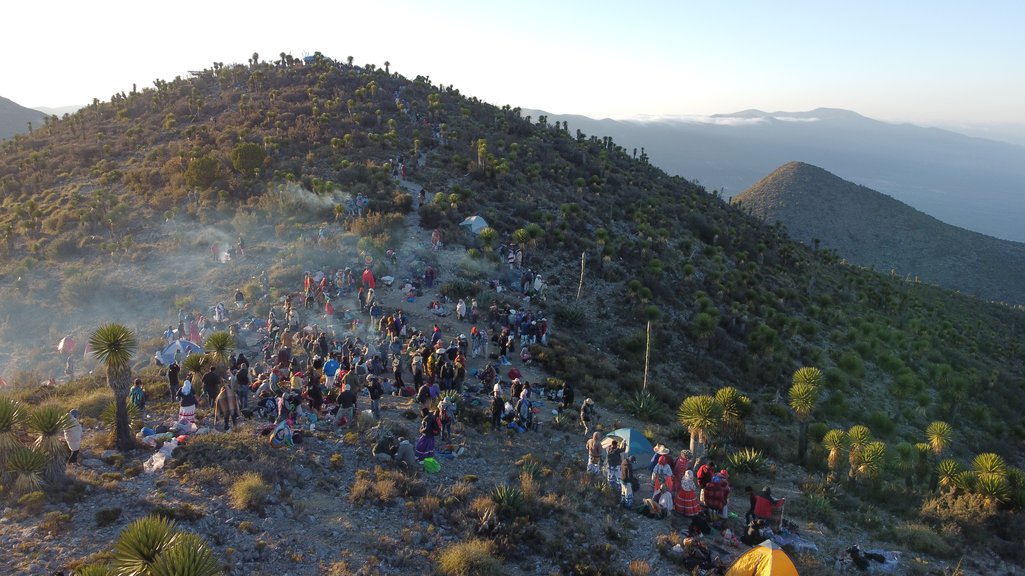
Of all the natural psychedelics (including ayahuasca, iboga and magic mushrooms), peyote – or híkuri as the Wixárika call it – appears to face the most acute ecological and cultural crises. Mega-agricultural projects that seem to have little concern for the wider ecosystem or the protection of sacred Wixárika sites are compounding the problems caused by the expanding peyote tourism industry across Mexico.
Expansion of agro-industry
New chicken, pig and vegetable farms that span hundreds of hectares in the Altiplano-Wirikuta area – granted licences by a state whose governor’s family made part of their fortune in the poultry industry – are contributing to the serious ecological pressure. Satellite photos starkly illustrate the scale of the new operations, showing that everything has been uprooted to make way for monocropping. And big capital is already eyeing further encroachments. Read More...