Archaeologists Unearth Groundbreaking Pre-Hispanic Artifacts in Mexico
-
 Loading...
 - Rio Fraser
- 01 Jul 2024
- 55 Views
- 0 Like
- 0 Comment
Recent archaeological finds in Mexico are providing new insights into the country's pre-Hispanic era. Workers at a site in Janitzio, located in Lake Pátzcuaro, accidentally discovered a traditional boat known as a tepari last month, as reported by Ancient Origins. This vessel is believed to have sunk while transporting firewood from Erongaricuaro to Janitzio.
This initial discovery spurred further dredging operations at the site, uncovering a wealth of artifacts predating the Hispanic presence in Mexico. The National Institute of Anthropology and History (INAH), in collaboration with the Ministry of Culture of the Government of Mexico, is leading these efforts.
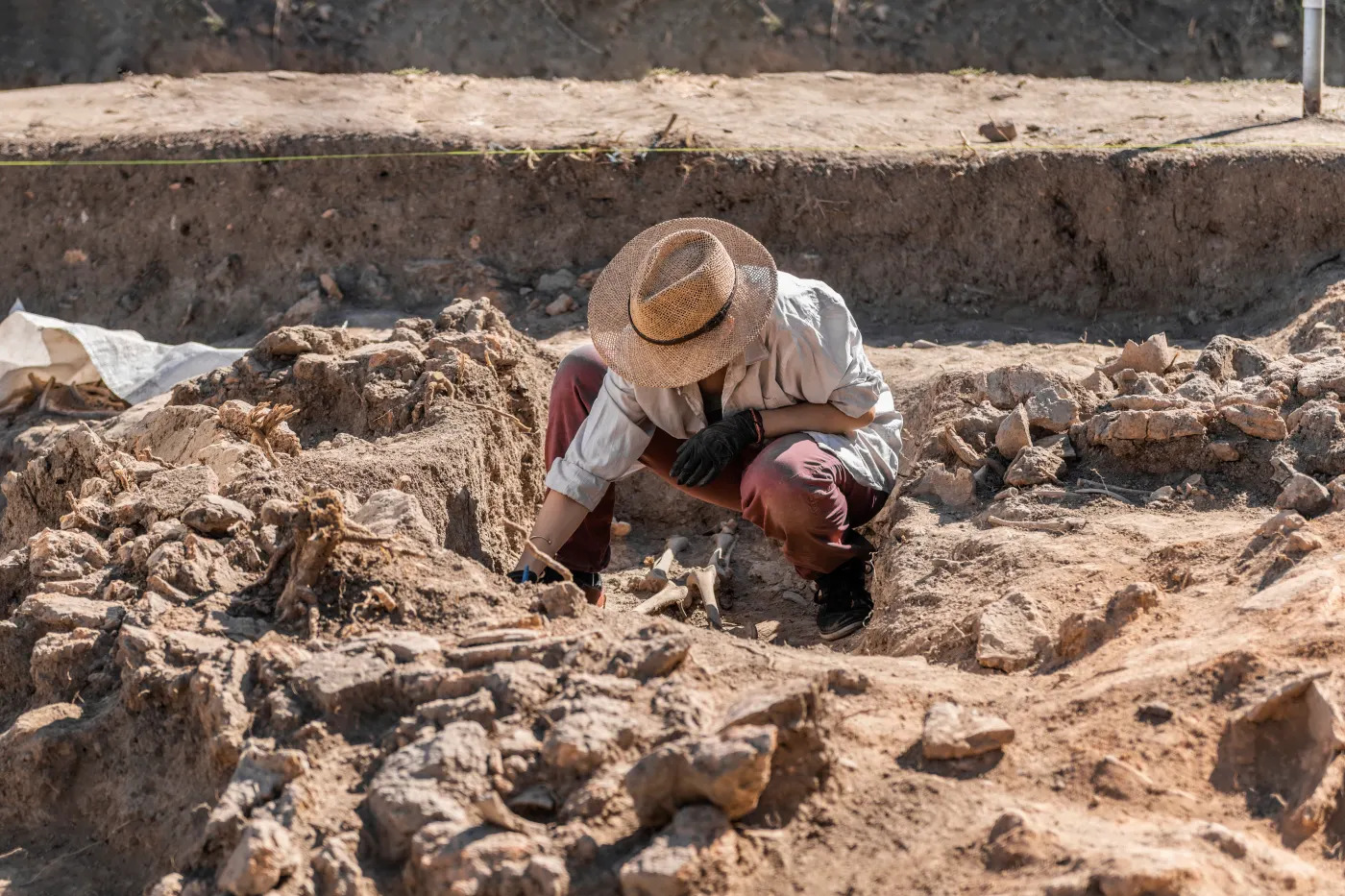
Among the discoveries were numerous human remains. Officials collected and photographed the bones, which were carefully arranged side by side in a cardboard box. Additionally, a variety of stone and ceramic objects were found, believed to have been thrown into Lake Pátzcuaro as spiritual offerings. These artifacts provide an unprecedented glimpse into the religious practices of the ancient Pátzcuaro community.
Another tepari was also discovered, and efforts are underway to ensure its preservation. The INAH, along with the city of Janitzio and Mexico’s Ministry of Culture, plans to establish a community museum to showcase these groundbreaking discoveries. This museum aims to remind the small island community of their rich cultural heritage.