Archeologists in Norway Have Uncovered What May be the World’s Oldest Rune Stone in a 2,000-Year-Old Grave
-
 Loading...
 - Morken Brandt
- 15 May 2023
- 58 Views
- 0 Like
- 0 Comment
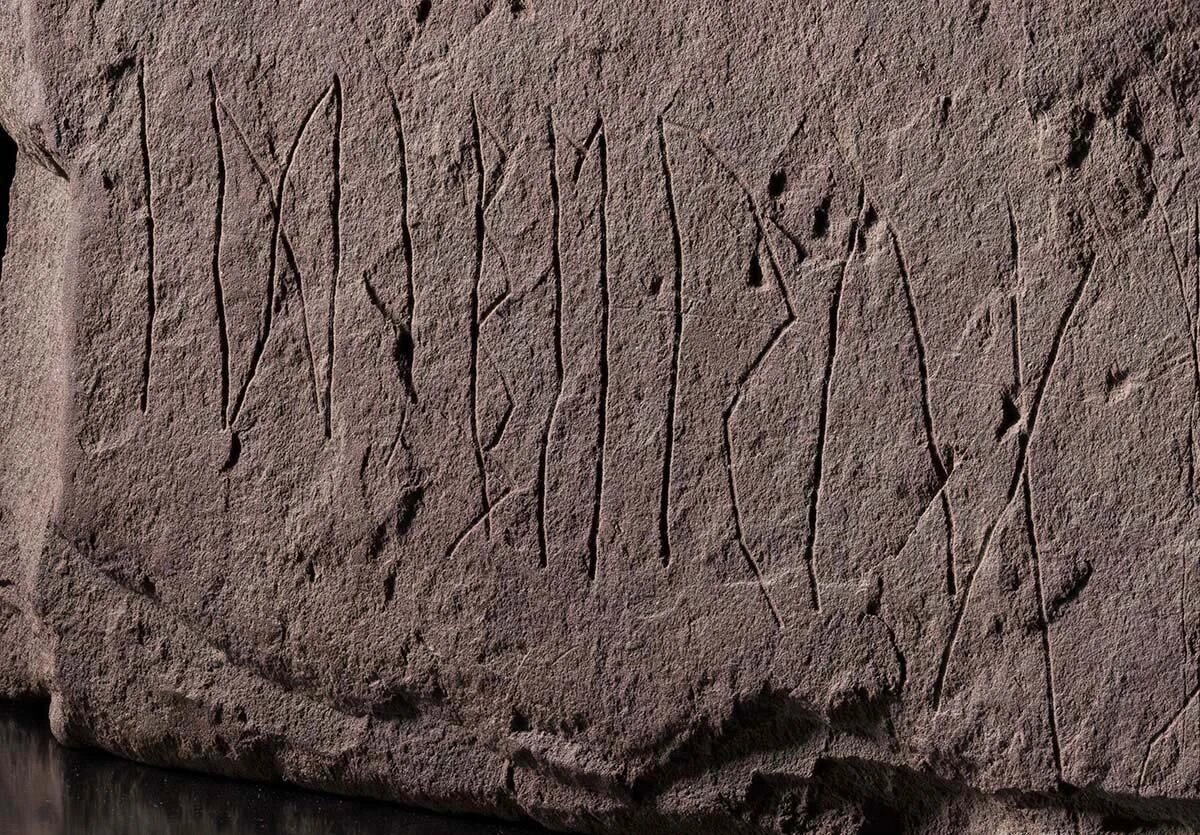
Norwegian archaeologists have recently uncovered what they believe to be the world's oldest runestone, discovered among the charred remains of a 2,000-year-old cremation pit. This flat block of reddish-brown sandstone features carved figures that shed light on the earliest days of runic writing, according to the Museum of Cultural History in Oslo.
Kristel Zilmer, a professor at the Museum of Cultural History at the University of Oslo, called the find a unique experience and a dream come true for all runologists. She added that this discovery is especially remarkable because it differs from other preserved rune stones.
The runestone, dubbed the Svingerudsteinen stone, was found in 2021 during an excavation of a Roman Iron Age gravesite near Tyrifjord, outside of Oslo. Carbon dating of other items in the pit, including human remains and charcoal, suggests that the runes were carved between 1 and 250 C.E.
Runic characters were used in ancient Germanic languages across northern Europe before the Latin alphabet became more widely adopted in the 1400s, after which it was reserved for special circumstances. These angular figures were recorded on various surfaces using the tip of a knife or needle.
While thousands of rune stones have been found across Scandinavia, only 30 in Norway are believed to date back to the Roman Iron Age and Migration Period, which ended around 550 C.E. The Svingerudsteinen stone is the first one retrieved that may have been carved before 300 C.E.
The runologists working on deciphering the stone's meaning have a lot of research ahead of them. The stone measures 12.2 inches by 12.6 inches and contains eight runes on the front that, when translated into Roman letters, spell "idiberug." Zilmer suggested that the text could refer to a woman named Idibera, and the inscription means "for Idibera."
Zilmer noted that some lines form a grid pattern, and there are small zigzag figures and other intriguing features. She added that not all inscriptions have a linguistic meaning, so it's possible that someone was imitating, exploring, or playing with the writing, or perhaps learning how to carve runes.
Starting on January 21, the Svingerudsteinen stone will be exhibited for a month at the Museum of Cultural History, which houses Norway’s most significant collection of artifacts from the Stone Age to the modern day.