How to Master Oil Painting Techniques: A Comprehensive Guide
-
 Loading...
 - Adla Sibale
- 15 May 2023
- 67 Views
- 0 Like
- 0 Comment
Discover the secrets of mastering oil painting techniques with this comprehensive guide. Learn step-by-step instructions, tips, and tricks to elevate your skills and create stunning oil paintings.
Are you fascinated by the mesmerizing beauty of oil paintings? Do you dream of creating your own masterpieces that capture the essence of a subject in vivid detail? Look no further! In this comprehensive guide, we will delve into the world of oil painting techniques, unraveling the mysteries and providing you with the knowledge and skills necessary to become a masterful oil painter. Whether you're a beginner or an experienced artist looking to refine your craft, this article is your gateway to unlocking the secrets of oil painting mastery.
How to Master Oil Painting Techniques
Oil painting is a versatile and captivating medium that has stood the test of time. With the right techniques and a little practice, you can bring your imagination to life on canvas. Let's dive into the essential steps and techniques that will help you master the art of oil painting.
1. Gathering the Necessary Supplies
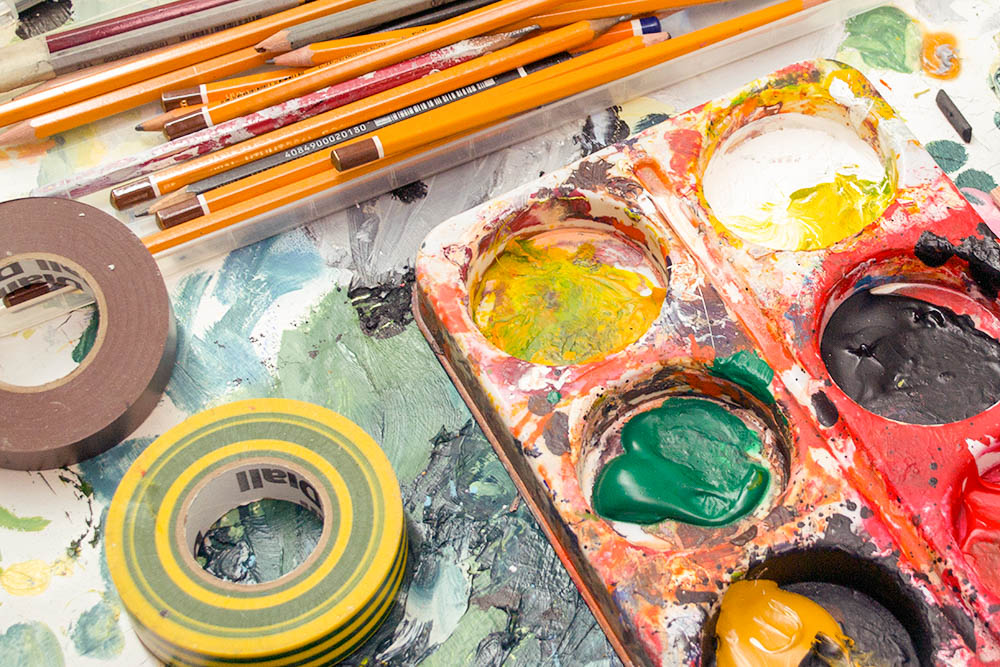
Before you embark on your oil painting journey, it's crucial to gather the necessary supplies. Here's a list of essential items to get you started:
- Quality oil paints
- Various sizes of brushes
- Canvas or painting surface
- Palette knife
- Palette for mixing colors
- Odorless mineral spirits or turpentine
- Linseed oil or other painting medium
- Easel
- Paper towels or rags
- Protective clothing or apron
2. Preparing Your Painting Surface
Preparing the painting surface is a vital step in ensuring the longevity and quality of your oil paintings. Follow these steps to properly prepare your canvas:
- Start by stretching your canvas tightly over a wooden frame.
- Apply a coat of gesso to seal the canvas and create a smooth surface for paint application.
- Let the gesso dry completely before proceeding.
3. Understanding Color Mixing
A fundamental aspect of oil painting is the ability to mix colors effectively. By understanding color theory and practicing color mixing techniques, you can achieve the desired hues and tones for your paintings. Here are some tips to keep in mind:
- Start with a limited color palette and gradually expand as you gain more experience.
- Experiment with primary colors (red, blue, and yellow) to create secondary and tertiary colors.
- Use a palette knife or brush to mix colors on your palette, aiming for smooth and consistent blends.
- Remember that oil paints can be layered and glazed to create depth and luminosity.
4. Mastering Brush Techniques
Brushwork plays a crucial role in oil painting, allowing you to create various textures, strokes, and effects. Here are a few brush techniques to explore:
- Dry Brushing: Using a relatively dry brush with minimal paint, create rough, textured strokes for a weathered or expressive effect.
- Glazing: Apply translucent layers of paint over dry layers to create a luminous and smooth appearance.
- Impasto: Apply thick layers of paint using a palette knife or brush to add texture and three-dimensionality to your artwork.
- Blending: Use soft, gentle strokes to blend colors seamlessly, creating smooth transitions between hues.
5. Understanding Light and Shadow
Mastering light and shadow is essential for creating realistic and visually striking oil paintings. Consider the following points:
- Observe how light falls on your subject and identify areas of highlight, midtone, and shadow.
- Pay attention to the direction and quality of light to accurately portray the subject's form and texture.
- Use subtle shifts in value and temperature to convey depth and dimensionality.
6. Creating Depth and Perspective
To bring depth and perspective to your oil paintings, follow these techniques:
- Linear Perspective: Use vanishing points and converging lines to create the illusion of depth and distance in your artwork.
- Atmospheric Perspective: Employ the concept of atmospheric perspective by making distant objects appear lighter, less detailed, and bluer.
- Overlapping: Overlapping objects in your composition can enhance the sense of depth and create a realistic portrayal.
- Size and Scale: Manipulate the size and scale of objects to convey a sense of distance and spatial relationships.
7. Capturing Texture and Detail
Adding texture and detail to your oil paintings can make them visually engaging and captivating. Consider the following techniques:
- Impressionistic Brushwork: Use broken, loose brushstrokes to suggest texture and create an impressionistic effect.
- Sgraffito: Scratch into wet paint layers to reveal underlying colors or create texture.
- Texture Mediums: Experiment with texture mediums or additives to add tactile elements to your artwork.
- Fine Detailing: Utilize smaller brushes or fine liners to capture intricate details and refine specific areas of your painting.
8. Developing a Personal Style
As you gain proficiency in oil painting techniques, it's important to develop your unique style and artistic voice. Here's how you can nurture your personal style:
- Experimentation: Explore various techniques, subject matters, and styles to discover what resonates with you.
- Study and Observation: Study the works of renowned oil painters to gain inspiration and learn from their techniques.
- Self-Reflection: Continuously evaluate and analyze your own artwork to identify recurring themes, preferences, and motifs.
- Authentic Expression: Embrace your individuality and let your personal experiences and emotions shine through your art.
9. Practicing Patience and Persistence
Becoming proficient in oil painting techniques requires time, practice, and patience. Here are some tips to keep in mind:
- Consistent Practice: Set aside regular dedicated time for painting to develop your skills and improve steadily.
- Learning from Mistakes: Embrace mistakes as learning opportunities and be willing to experiment and make adjustments.
- Perseverance: Don't get discouraged by initial setbacks or challenges. Keep pushing forward and trust in your growth as an artist.
FAQs
1. How long does it take to master oil painting techniques?
The time it takes to master oil painting techniques varies depending on various factors, including your dedication, practice frequency, and innate artistic abilities. It's a lifelong journey of learning and improvement, so embrace the process rather than focusing solely on the destination.
2. Can I start oil painting as a beginner without prior experience?
Absolutely! Oil painting is suitable for beginners, and with patience and practice, you can develop your skills and create beautiful artworks. Start with simple exercises and gradually progress to more complex subjects and techniques.
3. Should I invest in expensive art supplies from the beginning?
While high-quality art supplies can enhance your painting experience, they are not a prerequisite for learning oil painting techniques. Begin with basic supplies and gradually upgrade as you advance and gain a better understanding of your preferences and needs.
4. How can I overcome the fear of making mistakes in oil painting?
Mistakes are an inevitable part of the artistic process. Embrace them as learning opportunities and a chance to grow. Remember that even experienced artists make mistakes. The key is to persevere, learn from your errors, and keep pushing forward.