Home Upload Photo Upload Videos Write a Blog Analytics Messaging Streaming Create Adverts Creators Program
Bebuzee Afghanistan Bebuzee Albania Bebuzee Algeria Bebuzee Andorra Bebuzee Angola Bebuzee Antigua and Barbuda Bebuzee Argentina Bebuzee Armenia Bebuzee Australia Bebuzee Austria Bebuzee Azerbaijan Bebuzee Bahamas Bebuzee Bahrain Bebuzee Bangladesh Bebuzee Barbados Bebuzee Belarus Bebuzee Belgium Bebuzee Belize Bebuzee Benin Bebuzee Bhutan Bebuzee Bolivia Bebuzee Bosnia and Herzegovina Bebuzee Botswana Bebuzee Brazil Bebuzee Brunei Bebuzee Bulgaria Bebuzee Burkina Faso Bebuzee Burundi Bebuzee Cabo Verde Bebuzee Cambodia Bebuzee Cameroon Bebuzee Canada Bebuzee Central African Republic Bebuzee Chad Bebuzee Chile Bebuzee China Bebuzee Colombia Bebuzee Comoros Bebuzee Costa Rica Bebuzee Côte d'Ivoire Bebuzee Croatia Bebuzee Cuba Bebuzee Cyprus Bebuzee Czech Republic Bebuzee Democratic Republic of the Congo Bebuzee Denmark Bebuzee Djibouti Bebuzee Dominica Bebuzee Dominican Republic Bebuzee Ecuador Bebuzee Egypt Bebuzee El Salvador Bebuzee Equatorial Guinea Bebuzee Eritrea Bebuzee Estonia Bebuzee Eswatini Bebuzee Ethiopia Bebuzee Fiji Bebuzee Finland Bebuzee France Bebuzee Gabon Bebuzee Gambia Bebuzee Georgia Bebuzee Germany Bebuzee Ghana Bebuzee Greece Bebuzee Grenada Bebuzee Guatemala Bebuzee Guinea Bebuzee Guinea-Bissau Bebuzee Guyana Bebuzee Haiti Bebuzee Honduras Bebuzee Hong Kong Bebuzee Hungary Bebuzee Iceland Bebuzee India Bebuzee Indonesia Bebuzee Iran Bebuzee Iraq Bebuzee Ireland Bebuzee Israel Bebuzee Italy Bebuzee Jamaica Bebuzee Japan Bebuzee Jordan Bebuzee Kazakhstan Bebuzee Kenya Bebuzee Kiribati Bebuzee Kuwait Bebuzee Kyrgyzstan Bebuzee Laos Bebuzee Latvia Bebuzee Lebanon Bebuzee Lesotho Bebuzee Liberia Bebuzee Libya Bebuzee Liechtenstein Bebuzee Lithuania Bebuzee Luxembourg Bebuzee Madagascar Bebuzee Malawi Bebuzee Malaysia Bebuzee Maldives Bebuzee Mali Bebuzee Malta Bebuzee Marshall Islands Bebuzee Mauritania Bebuzee Mauritius Bebuzee Mexico Bebuzee Micronesia Bebuzee Moldova Bebuzee Monaco Bebuzee Mongolia Bebuzee Montenegro Bebuzee Morocco Bebuzee Mozambique Bebuzee Myanmar Bebuzee Namibia Bebuzee Nauru Bebuzee Nepal Bebuzee Netherlands Bebuzee New Zealand Bebuzee Nicaragua Bebuzee Niger Bebuzee Nigeria Bebuzee North Korea Bebuzee North Macedonia Bebuzee Norway Bebuzee Oman Bebuzee Pakistan Bebuzee Palau Bebuzee Panama Bebuzee Papua New Guinea Bebuzee Paraguay Bebuzee Peru Bebuzee Philippines Bebuzee Poland Bebuzee Portugal Bebuzee Qatar Bebuzee Republic of the Congo Bebuzee Romania Bebuzee Russia Bebuzee Rwanda Bebuzee Saint Kitts and Nevis Bebuzee Saint Lucia Bebuzee Saint Vincent and the Grenadines Bebuzee Samoa Bebuzee San Marino Bebuzee São Tomé and Príncipe Bebuzee Saudi Arabia Bebuzee Senegal Bebuzee Serbia Bebuzee Seychelles Bebuzee Sierra Leone Bebuzee Singapore Bebuzee Slovakia Bebuzee Slovenia Bebuzee Solomon Islands Bebuzee Somalia Bebuzee South Africa Bebuzee South Korea Bebuzee South Sudan Bebuzee Spain Bebuzee Sri Lanka Bebuzee Sudan Bebuzee Suriname Bebuzee Sweden Bebuzee Switzerland Bebuzee Syria Bebuzee Taiwan Bebuzee Tajikistan Bebuzee Tanzania Bebuzee Thailand Bebuzee Timor-Leste Bebuzee Togo Bebuzee Tonga Bebuzee Trinidad and Tobago Bebuzee Tunisia Bebuzee Turkey Bebuzee Turkmenistan Bebuzee Tuvalu Bebuzee Uganda Bebuzee Ukraine Bebuzee United Arab Emirates Bebuzee United Kingdom Bebuzee Uruguay Bebuzee Uzbekistan Bebuzee Vanuatu Bebuzee Venezuela Bebuzee Vietnam Bebuzee World Wide Bebuzee Yemen Bebuzee Zambia Bebuzee Zimbabwe
Blog Image

Are Ancient Remains Of Mercury Hiding On Earth? Here's Why Scientists Think So

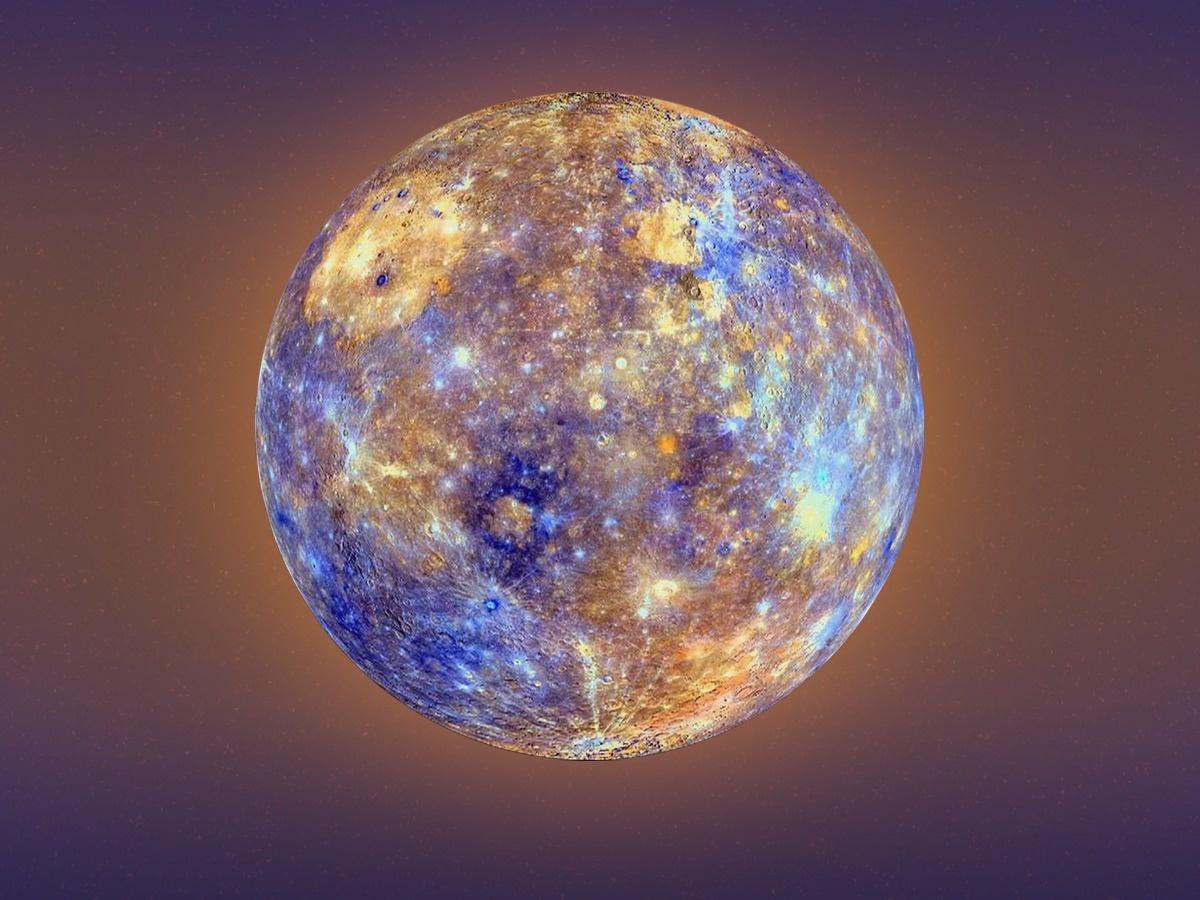
Are shards of planet Mercury hiding on Earth? Scientists think that Mercury, the closest planet to our Sun was once a much larger cosmic body, until it collided with another space object and got ripped of its mantle.

Are shards of planet Mercury hiding on Earth? Scientists think that Mercury, the closest planet to our Sun was once a much larger cosmic body, until it collided with another space object and got ripped of its mantleWhat remains of it now is the core, and scientists think Mercury was at least twice its current size long ago.

While this theory doesn't have concrete evidence, scientists from the University of Lorraine in France think that pieces of Mercury's former body may be tucked away in Earth's museums and meteorite collections. By studying them, researchers want to resolve Mercury's turbulent history. The idea was presented at the Lunar and Planetary Science Conference in March, The New York Times reported.

Mercury's "small revolution"

At the conference, Camille Cartier, a planetary scientist from France, said that studying samples could "be a small revolution" in understanding how our solar system evolved.
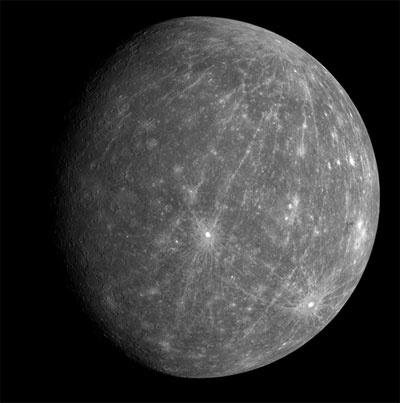
Humanity's current collection of meteorite remains doesn't account for Mercury and Venus, the inner most planets in our solar system. According to the Meteoritical Society, 70,000 meteorite samples have been gathered across the world. Most of these emanated from the asteroid belt between Mars and Jupiter. 500 of these sample are from our Moon while 300 are from our neighbouring planet Mars.

Scientists have assumed that this may be because space rocks situated close to the Sun may find it difficult to venture deeper inside the solar system due to our central star's gravity. 

The aubrites question

Researchers are especially interested in aubrites, a rare kind of space rock, named after the village Aubres in France, where the first type of aubrites was found in 1836.

According to NYT, aubrites have a pale colour and small amounts of metal. In addition, these rocks are low in oxygen and appear to have formed in an "ocean of magma." So far, 80 aubrite remains have been found on Earth. 
Now, scientists are convinced that aubrites came from Mercury. If the planet witnessed a collision with a large object, large amount of Mercury's material would have been shot into space. According to Cartier, some of this debris would have been pushed by solar wind towards the asteroid belt. But Cartier is also of the view that some pieces of aubrites eventually made their way to Earth, falling as aubritic meteorites. Read More...


Previous Post

Trained dogs sniff out COVID-19 as well as lab tests do

Next Post

4 hostile alien civilizations may lurk in the Milky Way, a new study suggests

Comments