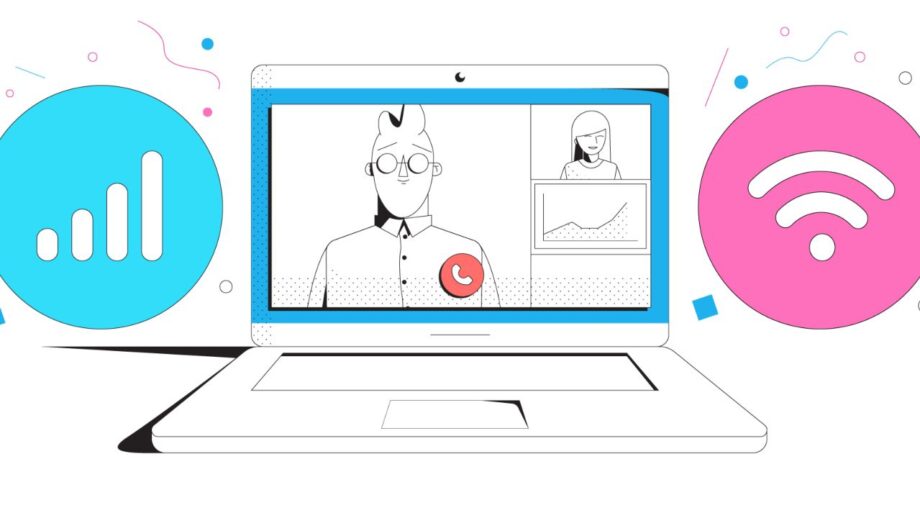
Are in-person or online sessions better when seeking help?
-
 Loading...
 - Miriam Wallner
- 08 May 2023
- 76 Views
- 0 Like
- 0 Comment
Are in-person or online sessions better when seeking help? In this article, we explore the advantages and disadvantages of both options to help you make an informed decision.
When we need help, whether it is for our mental health, relationships, or personal development, seeking therapy or counseling is often recommended. But with the increasing availability of online counseling and therapy sessions, many are left wondering which is the better option - in-person or online sessions?
In this article, we will explore the advantages and disadvantages of both in-person and online sessions and help you make an informed decision.
Therapy and counseling sessions have become an integral part of our lives in recent years. Seeking help has become more normalized, and people are now more open to discussing their mental health issues. However, when it comes to therapy or counseling, the question that arises is whether to opt for in-person or online sessions.
With the rise of technology, online therapy sessions have become a popular choice for many individuals, but traditional in-person sessions still have their benefits. In this article, we will discuss the advantages and disadvantages of both in-person and online sessions.
In-Person Sessions: Pros and Cons
Pros
-Face-to-face interaction: In-person sessions provide an opportunity for face-to-face interaction between the therapist/counselor and the client. This personal connection helps establish trust and builds rapport.
-Body language: During in-person sessions, therapists can observe the client's body language and facial expressions, which can help them better understand the client's emotions and feelings.
-No technical glitches: In-person sessions eliminate the technical glitches that can arise during online sessions, such as poor internet connectivity or technical difficulties with the software.
Cons
-Travel time: In-person sessions require the client to travel to the therapist's/counselor's office, which can be time-consuming and may cause inconvenience.
-Higher costs: In-person sessions may be more expensive than online sessions as they involve costs such as office rent, utilities, and other expenses.
-Limited access: In-person sessions may not be accessible to people living in remote areas or those with disabilities.
Online Sessions: Pros and Cons
Pros
-Accessibility: Online sessions are accessible to anyone with an internet connection, making them an ideal option for people living in remote areas or those with disabilities.
-Convenience: Online sessions eliminate the need for travel time, making them a convenient option for those with busy schedules.
-Cost-effective: Online sessions may be more cost-effective than in-person sessions as they eliminate expenses such as office rent and utilities.
Cons
-Technical difficulties: Technical glitches such as poor internet connectivity or software issues can interrupt online sessions, leading to frustration and hindering the therapy process.
-Limited personal connection: Online sessions lack the personal connection and rapport that can be established during in-person sessions.
-Privacy concerns: Online sessions may raise concerns about privacy and security, as the sessions are conducted over the internet.
Are In-Person or Online Sessions Better When Seeking Help?
When it comes to seeking help, the answer to this question is subjective and varies from person to person. Both in-person and online sessions have their pros and cons, and the decision should depend on individual needs and preferences.
If you prefer face-to-face interaction and value the personal connection established during therapy sessions, in-person sessions may be the better option for you. On the other hand, if you prioritize convenience and accessibility, online sessions may be a better fit.
Ultimately, the decision to opt for in-person or online sessions should be based on individual preferences, therapy goals, and accessibility. It is important to choose.
Tips for Choosing the Right Type of Session
-If you're still unsure which type of session is right for you, consider the following tips:
-Think about your comfort level with technology. If you're not tech-savvy, you may prefer in-person sessions to avoid any technical difficulties.
-Consider your schedule and availability. If you have a busy schedule or live in a remote area, online sessions may be a more convenient option.
-Reflect on your therapy goals. If you're seeking therapy for a specific issue, such as anxiety or depression, you may benefit more from in-person sessions.
-Evaluate your budget. In-person sessions may be more expensive, but some insurance plans cover therapy sessions. Online sessions may be more cost-effective, but not all insurance plans cover them.