Are these regular breakfast items healthy to eat?
-
 Loading...
 - Farida Jabrane
- 16 Jun 2022
- 267 Views
- 0 Like
- 0 Comment
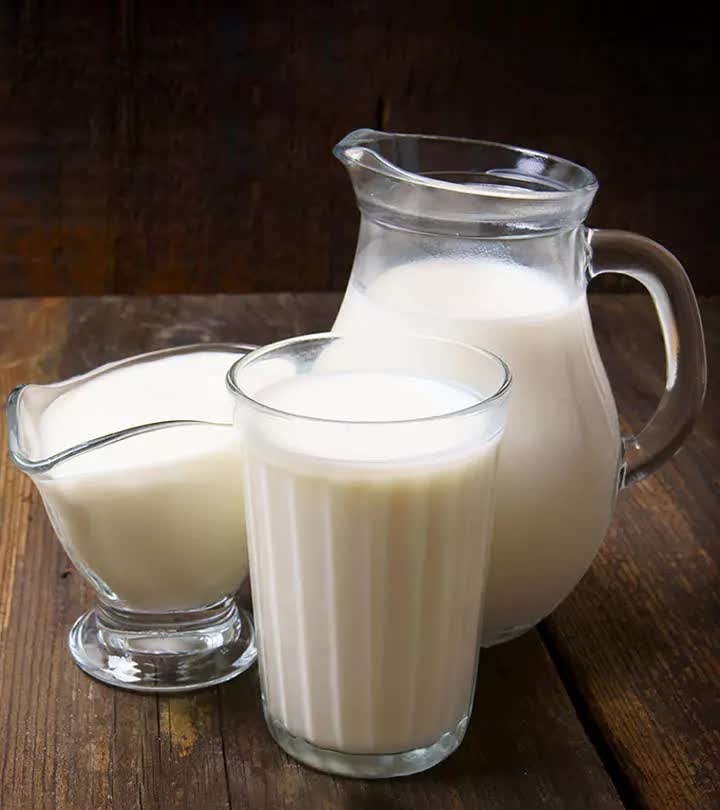
Mother’s milk is definitely the healthiest for the baby!
But I assume you are talking about cow’s milk.
Nowadays, there are so many different kinds of milk in the dairy aisles of the supermarket.
You even have plant-based milk like cashew milk and soya milk.
Most people assume plant-based milk is healthier than animal-based milk.
However, traditional cow’s milk has been well studied for decades.
It contains nine essential nutrients, including calcium, potassium, vitamin D and protein.
All of this is essential to your well-being, growth and digestion.
Whole cow’s milk will also not contain added sugar, which is sometimes present in plant-based milk.
If you are not sure, pick up a carton of plant-based milk next time (e.g. soya milk) and read the ingredient list.
You are likely to see some sugar in the list, which is added to the milk to make it taste good.
Again, everything must be in moderation!
If you take too much of anything, you are not going to have a balanced diet, plus the caloric content will be too high.
According to some nutritionists, the best way to make the most of your milk intake is to mix up different kinds of milk.
Whole milk gives you fullness and fat-soluble vitamins, such as vitamins A and D, compared to low-fat and fat-free milks.
But you cannot drink it like tap water, because one cup of whole milk contains 148 calories and 5g of saturated fat.
That is already one-quarter of your daily recommended consumption.
So it’s best to just drink one serving of whole milk every day, preferably at breakfast.
If you love milk so much and must drink it constantly, you can drink two servings of low fat milk for morning or afternoon tea.
Bread gets demonised because it is a carbohydrate, just as rice is.
But not all carbs are bad, and you definitely need some carbs in your daily diet.
Many breads that you get from the supermarket shelf are an excellent source of complex carbohydrates and fibre.
They would usually have been fortified with B vitamins, iron and magnesium as well.
The best bread is whole wheat bread, which has a high fibre content.
If you are not sure, look carefully at the ingredients label before you buy anything.
Be careful of added sugars (usually anything that ends in “-ose”).
Once again, moderation is the key. Do not eat seven slices of bread at breakfast just because you like it!
When eating bread, keep the toppings and fillings nutritious.
Make sure your sandwiches are loaded with veggies and good protein like tuna.
If you like sweet fillings, some peanut butter is good for you, as are berries and cinnamon. (But not condensed milk and extra sprinkled sugar!)
Speaking of peanut butter, I love it. But is it not terribly unhealthy?
Peanut butter contains protein, magnesium, phosphorus, zinc, niacin and vitamin B6.

Many people consume peanut butter to fortify themselves when they are trying to gain weight or body build.
But it is also high in calories, saturated fat and salt.
So you should only take two tablespoonfuls a day if you are not trying to body build or gain massive weight, because those two spoons already contain 200 calories.
Peanuts and peanut butter can promote satiety, which stops you from eating too much, boost your heart health because it contains unsaturated fats, manage your blood sugar levels and reduce the risk of benign breast disease. Read More...