Argentina to chair the UN Human Rights Council in 2022
-
 Loading...
 - Gracie Johnson
- 08 Dec 2021
- 448 Views
- 0 Like
- 0 Comment
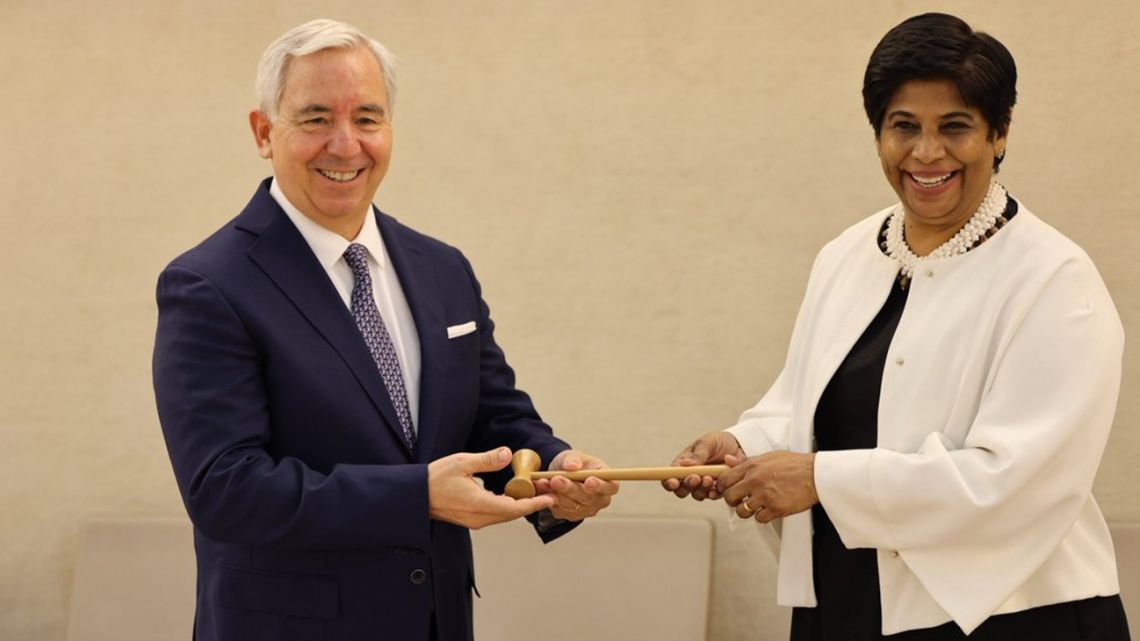
Argentina will chair the United Nations Human Rights Council next year for the first time in its history, following the election of career diplomat Federico Villegas Beltrán as the body’s next president.
The election of Ambassador Villegas as the intergovernmental body’s president, agreed unanimously by the council’s 47 member states as a UN convention in Geneva on Monday, means that Argentina will play a key role in the promotion and protection of human rights worldwide over the next 12 months.
The country takes on the role representing Latin America and the Caribbean, with four other vice-presidents representing other regions. The presidency rotates on an annual basis and 2022 was Latin America’s turn.
Nevertheless, the news will be seen as a rare diplomatic victory on the international stage for President Alberto Fernández's government, which has failed to place key allies leading multilateral bodies and institutions, including the InterAmerican Development Bank and the Community of Latin American and Caribbean States (CELAC).
Hailing the news, Foreign Minister Santiago Cafiero welcomed Argentina’s appointment to the body’s rotating presidency as “recognition of our country and its commitment to human rights since the recovery of democracy" in 1983.
Some complications may lie ahead, however, not least Argentina’s positions on human rights trouble spots such as Venezuela, Nicaragua and Cuba – nations that have repeatedly been denounced for serious violations.
Ambassador Villegas previously worked in the Human Rights Directorate of the Foreign Ministry when Jorge Taiana served as the head of the portfolio in former president Cristina ​​Fernández de Kirchner’s government. In 2016 he was appointed by then-president Mauricio Macri as Argentina’s ambassador to Mozambique. Starting next year, he will replace Nazhat Shameem Khan of Fiji at the head of the Council. Read More…