Lithuanian EU Council Presidency May Raise Daylight Saving Time Issue
-
 Loading...
 - Maya Costa
- 25 Mar 2025
- 59 Views
- 0 Like
- 0 Comment
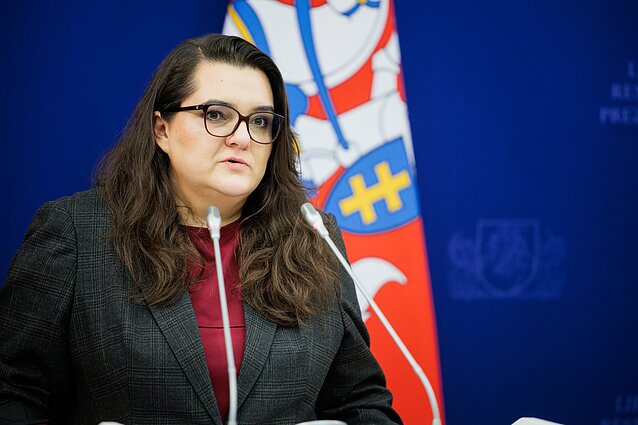
Lithuania is considering reigniting the debate over the abolition of daylight saving time during its presidency of the Council of the European Union in 2027, according to an adviser to President Gitanas Nausėda. Irena Segalovičienė expressed the possibility of discussing this long-standing issue, although she acknowledged that the current geopolitical situation has made it a lower priority.
“It is difficult to say when all countries will agree on the final abolition of daylight saving time, but it is possible to discuss this issue, to raise it again during the Lithuanian presidency of the EU Council in 2027, and maybe the debate will be reignited,” Segalovičienė stated during an interview with the radio station Žinių Radijas.
The concept of abolishing daylight saving time, which involves setting clocks forward by one hour from the end of March to the end of October, has been a topic of discussion within the EU since the 2010s. While both the European Commission and the European Parliament support the idea, a consensus among member states has yet to be reached.
As Lithuania prepares to transition to daylight saving time this Sunday, the clocks will be set forward one hour at 03:00. The country traditionally switches to daylight saving time on the last Sunday in March and reverts to standard time seven months later, on the last Sunday in October.
Proponents of daylight saving time argue that it allows for better utilization of daylight hours, potentially leading to energy savings. However, critics raise concerns about the health impacts associated with the time change, suggesting that the disruption to sleep patterns and daily routines could be detrimental.
As Lithuania looks ahead to its EU Council presidency, the potential for renewed discussions on daylight saving time could provide an opportunity for member states to reassess the practice and its implications for citizens across Europe.