Government of the Principality of Liechtenstein
-
 Loading...
 - Daan Dekker
- 28 Mar 2025
- 43 Views
- 0 Like
- 0 Comment
The Principality of Liechtenstein is a constitutional monarchy with a unique political structure that combines elements of democracy and monarchy. Here are key aspects of its government:
- Monarch: The head of state is the Prince of Liechtenstein, currently Prince Hans-Adam II, who has held the position since 1989. The Prince has significant powers, including the ability to veto legislation and dissolve the parliament. However, he has delegated most of his day-to-day responsibilities to his son, Hereditary Prince Alois, who acts as regent.
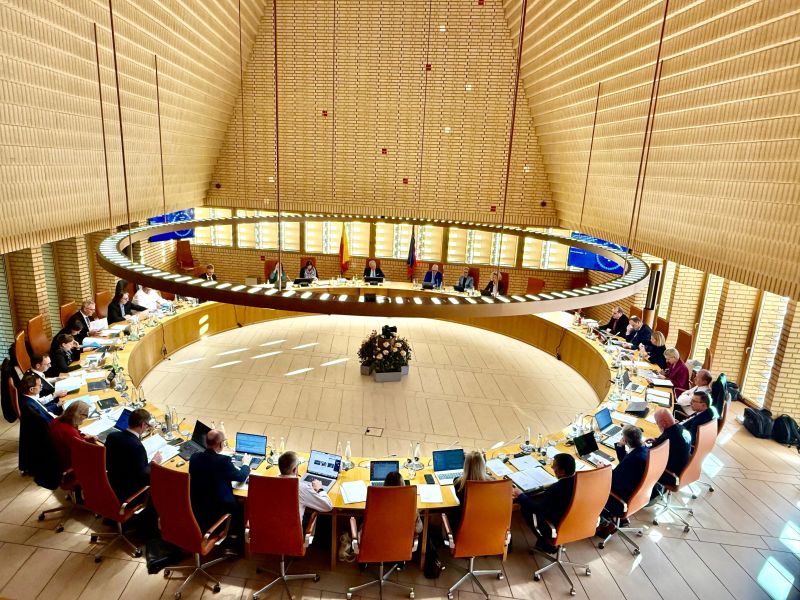
- Parliament: The legislative body is known as the Landtag, which consists of 25 members elected for a four-year term. The Landtag is responsible for passing laws, approving the budget, and overseeing the government. Members are elected through a proportional representation system, ensuring a diverse representation of political parties.
- Government: The executive branch is led by the Prime Minister, who is appointed by the Prince. The Prime Minister heads the government and is responsible for implementing laws and managing the administration. The government is composed of ministers who oversee various departments, such as finance, education, and foreign affairs.
- Judiciary: The judicial system in Liechtenstein is independent and consists of various courts, including the Constitutional Court, which ensures that laws comply with the constitution. The judiciary plays a crucial role in upholding the rule of law and protecting individual rights.
- Political Parties: Liechtenstein has a multi-party system, with several political parties representing a range of ideologies. The two main parties are the Progressive Citizens' Party (FBP) and the Patriotic Union (VU). These parties often collaborate in a coalition government to ensure stability and effective governance.
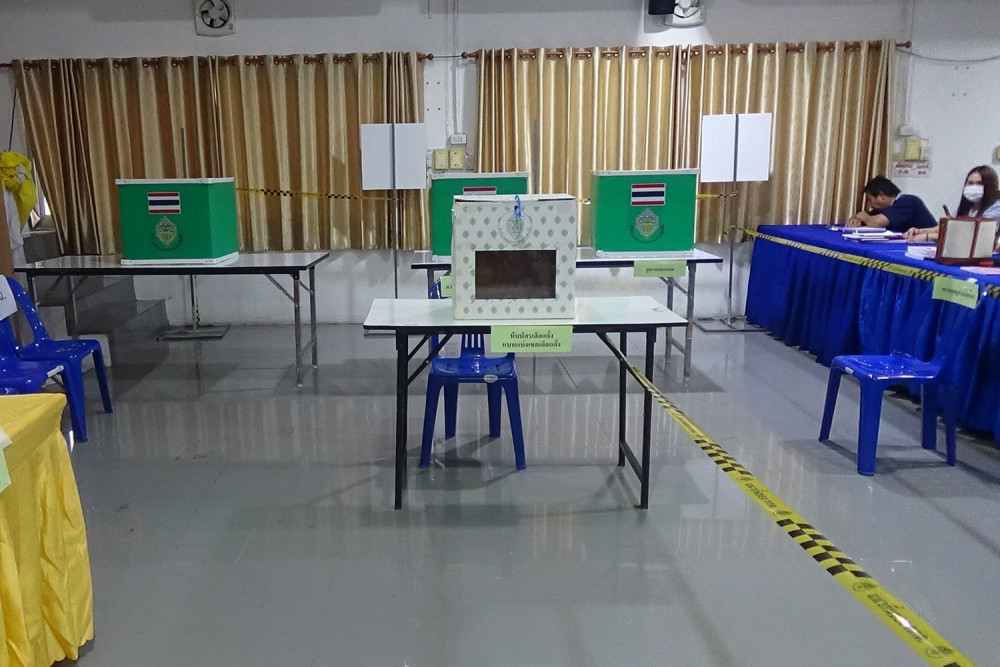
- Direct Democracy: Liechtenstein has a strong tradition of direct democracy, allowing citizens to participate in decision-making through referendums and initiatives. This system enables the electorate to vote on important issues, including constitutional amendments and significant legislation.
- International Relations: Liechtenstein is a member of various international organizations, including the United Nations and the European Free Trade Association (EFTA). While it is not a member of the European Union, it maintains close ties with EU countries and participates in the Schengen Area.
The government of Liechtenstein reflects a balance between monarchical authority and democratic principles, allowing for a stable and effective political system that prioritizes the well-being of its citizens.