Latvian President Wants to Empower Citizens – But Will Parliament Allow It?
-
 Loading...
 - Daan Drukker
- 01 Apr 2025
- 43 Views
- 0 Like
- 0 Comment
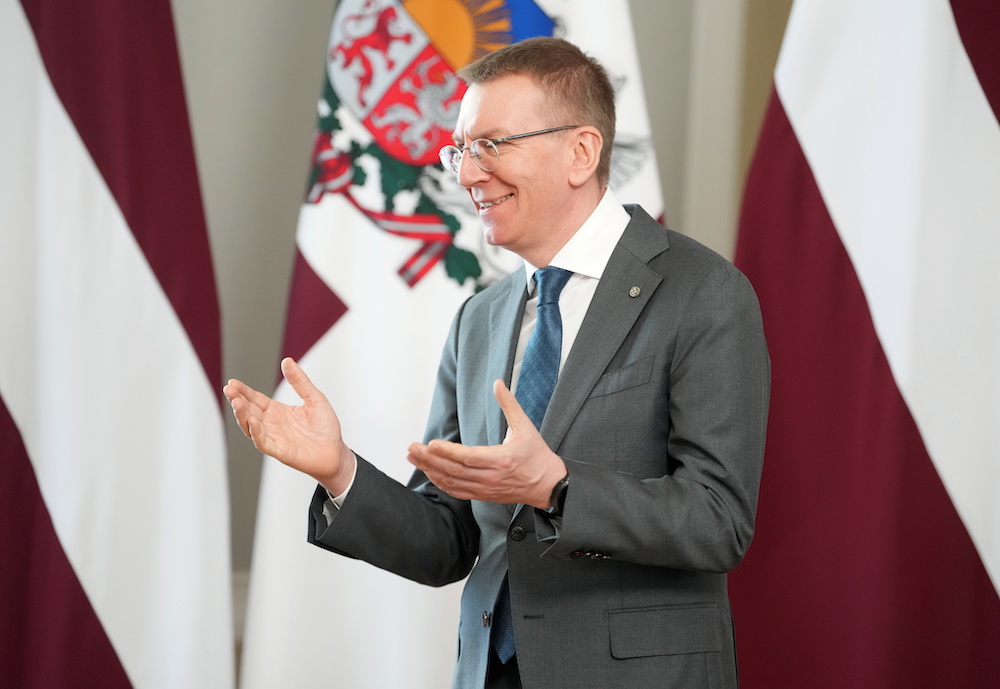
Latvian President Edgars Rinkēvičs is advocating for significant changes to the national referendum process, aiming to enhance political accountability and empower citizens. In a recent interview with TV3’s “900 Seconds,” he expressed that the proposed amendments would encourage politicians to consider the electorate's voice more seriously, as voters would have the ability to initiate legislative changes.
Rinkēvičs acknowledged that while these changes could help rebuild public trust in government, they are not a panacea. He emphasized that restoring trust requires a series of incremental steps, including clearer decision-making and better communication from the government. The President pointed out that the current gap between the public and the government is substantial and needs to be addressed through various reforms.
One of the key proposals is to reduce the number of signatures required to initiate a referendum from 10% to 5% of eligible voters, which is approximately 150,000 citizens. This change aims to make the process more accessible and encourage greater public participation. Rinkēvičs suggested that the state could play a more active role in helping to collect signatures, particularly in the initial phase of the process.
Under the current law, a fully drafted bill must be submitted to the Central Election Commission (CEC) before signature collection can begin. If the proposed changes are implemented, the process would be divided into two phases. In the first phase, after registering with the CEC, at least 5% of voters must sign within six months. If this threshold is met, a second phase would follow, allowing for a 30-day campaign to reach the full 10% required for a national vote.
Rinkēvičs highlighted that the proposed changes are not a return to the pre-2012 rules, which allowed for referendums with just 10,000 signatures. Instead, the new plan would shift some responsibilities to the state after the initial 5% is reached, making it easier for citizens to engage in the legislative process.
The President also addressed concerns about potential misuse of public funds for unsuccessful referendums, arguing that democracy should not be measured solely by costs. He believes that if an issue is significant to a portion of the population, it deserves to be voted on.
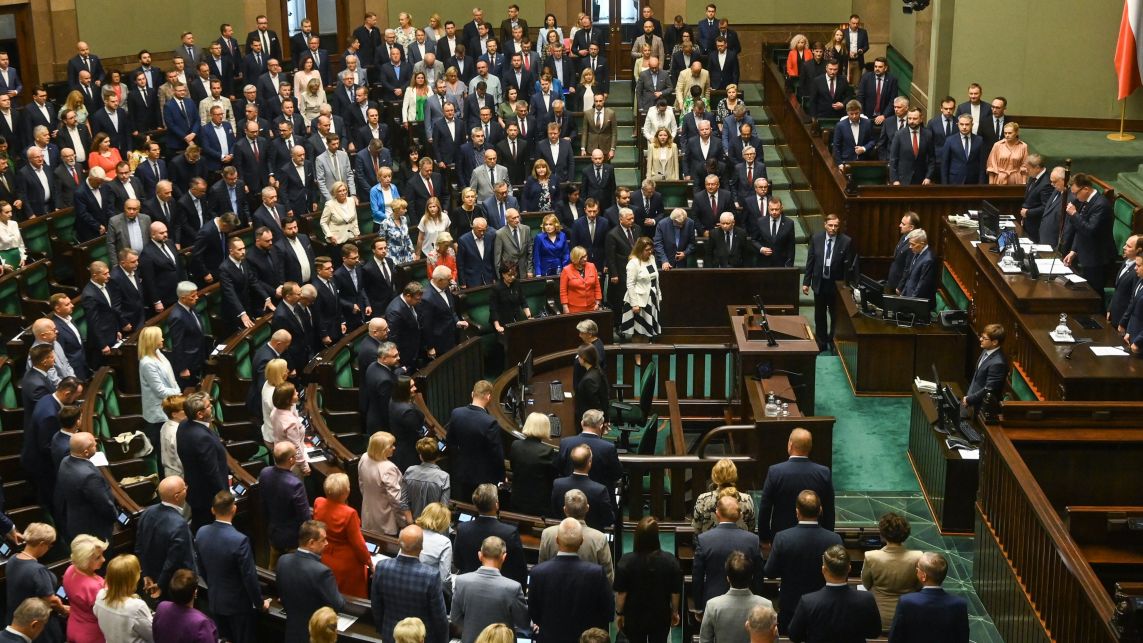
In response to the challenges faced by the current system, Rinkēvičs has submitted the proposed legislation to the Saeima, Latvia's parliament, with the hope of fostering greater citizen involvement in key societal decisions. He stressed that in a democratic republic, the will of the people should be the foundation of state power, and legislative initiatives are essential for citizens to express their opinions on necessary legislation.
Since the 2012 reforms, no voter-drafted bills or constitutional amendments have been submitted to the President or considered by Parliament, raising questions about the effectiveness of the current system. Rinkēvičs believes that restoring a two-stage signature process with increased state involvement would enhance civic participation and promote democratic development.
The proposed changes would apply to all legislative initiatives and constitutional amendments submitted to the CEC after January 1, 2027, allowing time for institutions to implement the new procedures. As Latvia moves forward, the question remains whether Parliament will support these reforms aimed at empowering citizens and improving the democratic process.