ArtRio 2024 Proves Brazilian Art Market is Thriving Despite Global Slowdown
-
 Loading...
 - Louis Reinhard
- 18 Oct 2024
- 46 Views
- 0 Like
- 0 Comment
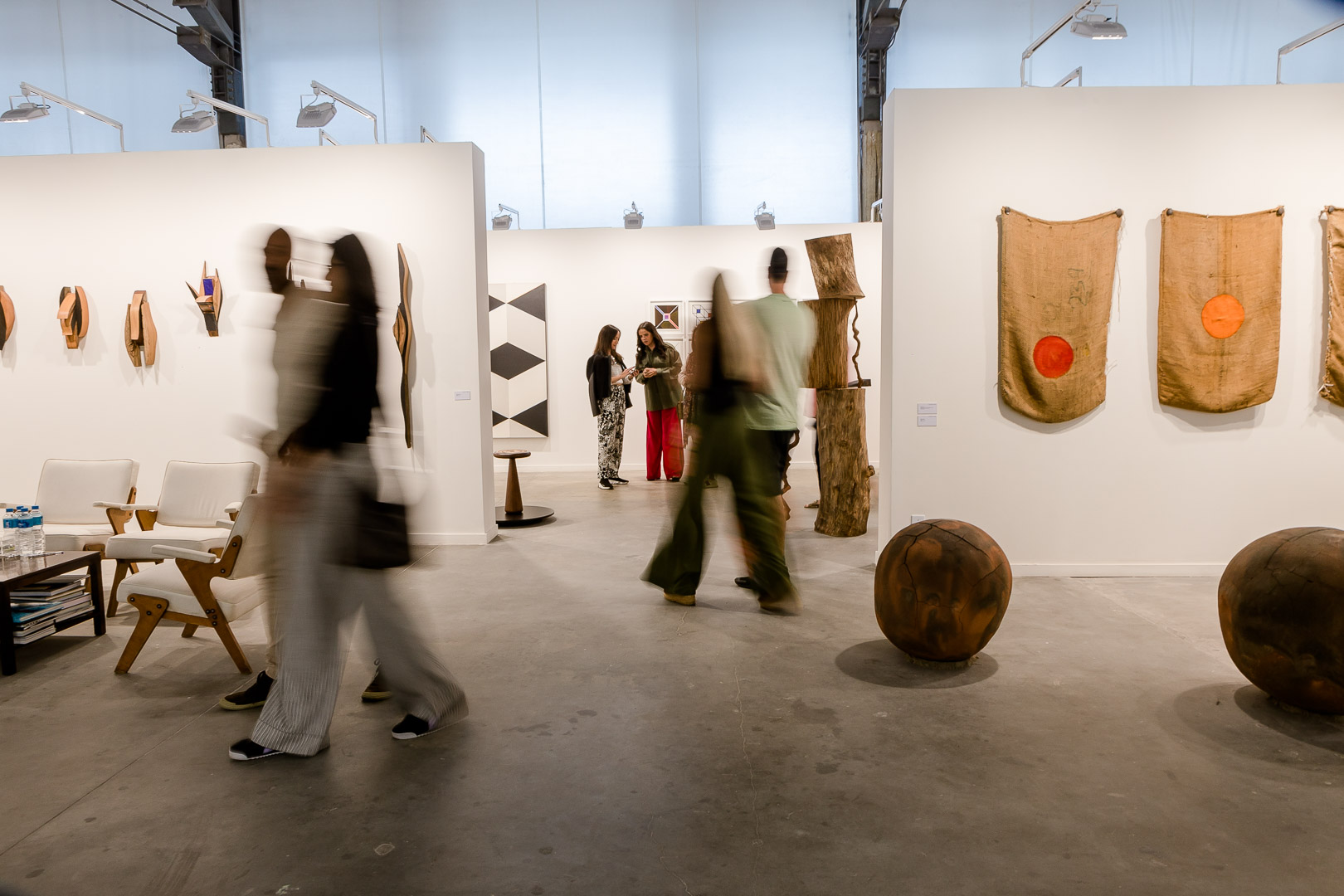
The 14th edition of ArtRio, one of the most important art fairs in Latin America, is proving that Brazil’s art market is defying the global slowdown trend. Held at Marina da Glória in Rio de Janeiro, the fair’s opening day gave visitors and insiders a sense of optimism about the local art scene, according to Brenda Valansi, ArtRio’s founder.
“I hear that the world’s art markets are slowing down, but seeing this first day here at ArtRio, I can absolutely say that the Brazilian market is not slowing down at all,” Valansi told ARTnews.
Isadora Ganem, director at Mendes Wood DM, one of Brazil’s top galleries with international locations in New York, Paris, and Brussels, echoed Valansi’s sentiments. She observed that while Brazilian art is still developing on the global stage, the domestic market is stable and growing:
“The Brazilian art market is still very local but is growing. There are many new galleries, and we are seeing galleries starting in other [Brazilian] cities outside the São Paulo-Rio axis.”
Expanding National and Indigenous Representation
ArtRio 2024 features over 80 galleries and art institutions, divided into two main pavilions: Mar (Ocean) and Terra (Land). A key highlight of this year’s fair is the return of the Brasil Contemporâneo program after a five-year hiatus. This initiative focuses on promoting galleries and artists from regions beyond São Paulo and Rio de Janeiro, emphasizing Indigenous representation.
In particular, the MAHKU collective (Huni Kuin Artists Movement) from Acre’s Kaxinawá Indigenous Territory has gained attention. Members such as Cleiber Bane, Acelino Sales, and Cleudon Txana Tuin displayed works at the Carmo Johnson Project booth. Their presence follows their high-profile participation at the Venice Biennale, where they created a mural at the Central Pavilion.
The Mar pavilion also includes:
- Solo section: Dedicated to single-artist exhibitions.
- Mira section: Video art projections, selected in collaboration with the Pérez Art Museum Miami.
Meanwhile, the Terra pavilion houses the Panorama section, featuring blue-chip galleries with a focus on modern and contemporary art.
An International Showcase
A sculpture garden overlooking Guanabara Bay adds to the fair’s appeal, showcasing large-scale works by prominent artists like Ascânio MMM and Amilcar de Castro.
The fair attracted 50 international collectors and curators from countries such as France, Switzerland, Italy, and the United States. According to Valansi, this influx of foreign visitors aligns with ArtRio’s mission this year:
"The goal is to showcase Brazilian art to the international public rather than simply bringing international galleries to Brazilian audiences."
Alessandra D’Aloia, a founding partner of Fortes D’Aloia & Gabriel, noted that the strong presence of international collectors reflects Brazil’s growing relevance in the global art scene.
The 14th edition of ArtRio demonstrates that the Brazilian art market remains resilient and vibrant, despite economic challenges faced by global markets. With new galleries emerging outside the traditional art hubs and increased international interest, the fair highlights the expansion of local art and the importance of Indigenous representation. As ArtRio continues to grow in prominence, it solidifies Brazil’s place as a key player in the global art landscape.