As Investors and Tourists Take Over Lisbon, Chefs Are Fighting Back
-
 Loading...
 - Tomas Marques
- 07 Apr 2023
- 65 Views
- 0 Like
- 0 Comment
Portugal’s new tabernas are a reaction to the ramen bars, luxury stores and boutique hotels geared toward out-of-towners.
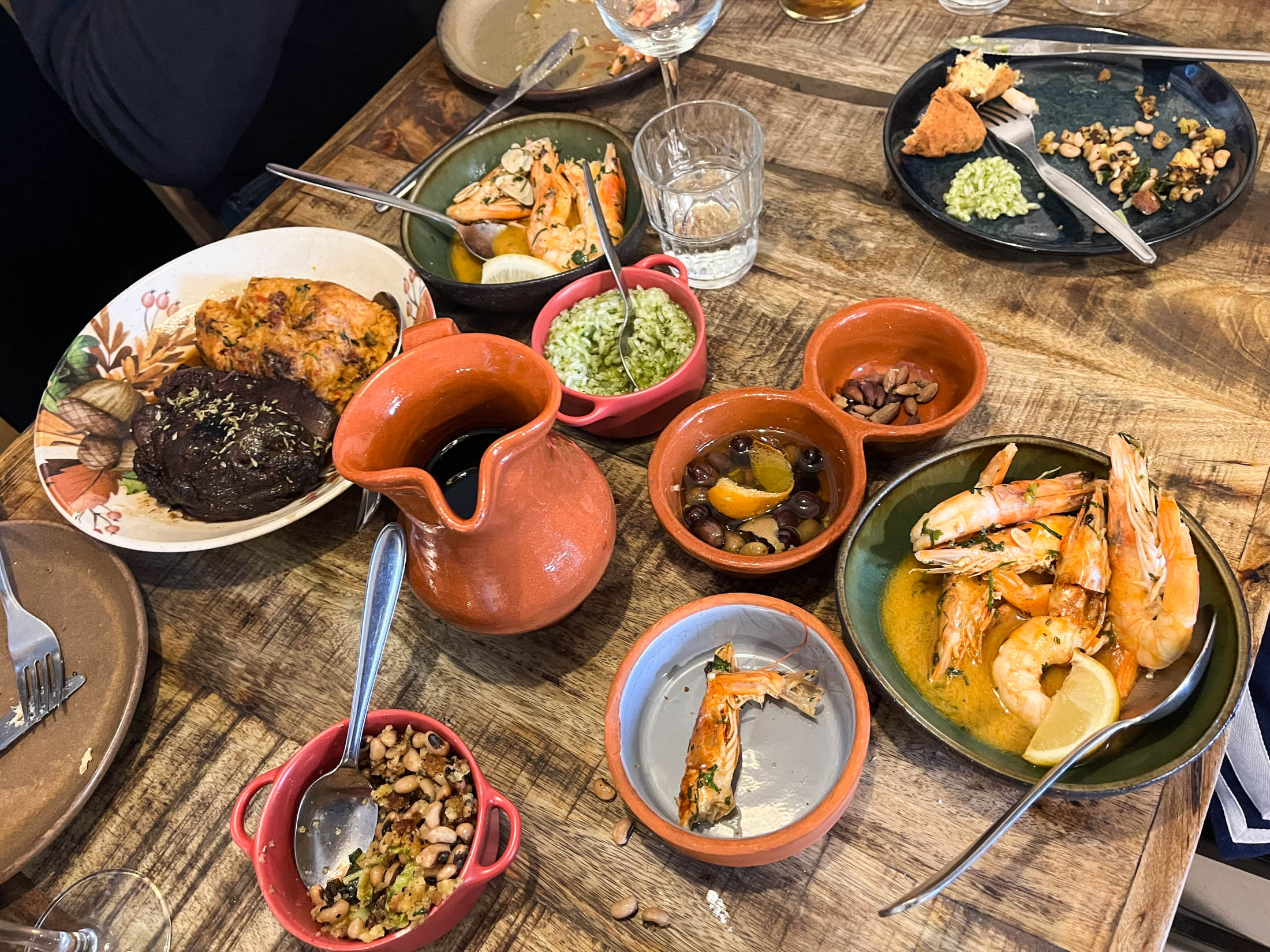
When chef André Magalhães opened Taberna da Rua das Flores in central Lisbon in 2012, he had to use a camping stove to grill liver and cook the other traditional Portuguese dishes he served. Within weeks, lines extended down the block. The 24-seat restaurant quickly came to symbolize the movimento taberneiro—an effort by a wave of primarily young chefs who wanted to safeguard Portugal’s classic tabernas against the cultural tsunami transforming the city into a playground for tourists and well-heeled investors.
At the time, Lisbon was at the beginning of a tourism boom that quickly pushed up prices in one of Europe’s poorest countries. The issue was compounded by the government’s Golden Visa program, which attracted almost €7 billion ($7.6 billion) in investment from deep-pocketed foreigners who could obtain EU passports in return for shelling out as little as €350,000 for real estate. The flood of money contributed to a surge in property prices that forced out many locals and turned bustling neighborhoods into characterless enclaves filled with holiday rentals.
In the past year, Lisbon rents have jumped 36%. Home prices have more than doubled since 2015. The tabernas, typically family-run restaurants catering to local budgets, couldn’t afford to stay in business and began closing down to be replaced by the ramen bars, vegan restaurants, luxury goods stores and boutique hotels that cater to more international tastes and bigger budgets. More than 7.7 million tourists visited the city last year, according to Turismo de Lisboa, more than 10 times the population of the city center. Read More…