Home Upload Photo Upload Videos Write a Blog Analytics Messaging Streaming Create Adverts Creators Program
Bebuzee Afghanistan Bebuzee Albania Bebuzee Algeria Bebuzee Andorra Bebuzee Angola Bebuzee Antigua and Barbuda Bebuzee Argentina Bebuzee Armenia Bebuzee Australia Bebuzee Austria Bebuzee Azerbaijan Bebuzee Bahamas Bebuzee Bahrain Bebuzee Bangladesh Bebuzee Barbados Bebuzee Belarus Bebuzee Belgium Bebuzee Belize Bebuzee Benin Bebuzee Bhutan Bebuzee Bolivia Bebuzee Bosnia and Herzegovina Bebuzee Botswana Bebuzee Brazil Bebuzee Brunei Bebuzee Bulgaria Bebuzee Burkina Faso Bebuzee Burundi Bebuzee Cabo Verde Bebuzee Cambodia Bebuzee Cameroon Bebuzee Canada Bebuzee Central African Republic Bebuzee Chad Bebuzee Chile Bebuzee China Bebuzee Colombia Bebuzee Comoros Bebuzee Costa Rica Bebuzee Côte d'Ivoire Bebuzee Croatia Bebuzee Cuba Bebuzee Cyprus Bebuzee Czech Republic Bebuzee Democratic Republic of the Congo Bebuzee Denmark Bebuzee Djibouti Bebuzee Dominica Bebuzee Dominican Republic Bebuzee Ecuador Bebuzee Egypt Bebuzee El Salvador Bebuzee Equatorial Guinea Bebuzee Eritrea Bebuzee Estonia Bebuzee Eswatini Bebuzee Ethiopia Bebuzee Fiji Bebuzee Finland Bebuzee France Bebuzee Gabon Bebuzee Gambia Bebuzee Georgia Bebuzee Germany Bebuzee Ghana Bebuzee Greece Bebuzee Grenada Bebuzee Guatemala Bebuzee Guinea Bebuzee Guinea-Bissau Bebuzee Guyana Bebuzee Haiti Bebuzee Honduras Bebuzee Hong Kong Bebuzee Hungary Bebuzee Iceland Bebuzee India Bebuzee Indonesia Bebuzee Iran Bebuzee Iraq Bebuzee Ireland Bebuzee Israel Bebuzee Italy Bebuzee Jamaica Bebuzee Japan Bebuzee Jordan Bebuzee Kazakhstan Bebuzee Kenya Bebuzee Kiribati Bebuzee Kuwait Bebuzee Kyrgyzstan Bebuzee Laos Bebuzee Latvia Bebuzee Lebanon Bebuzee Lesotho Bebuzee Liberia Bebuzee Libya Bebuzee Liechtenstein Bebuzee Lithuania Bebuzee Luxembourg Bebuzee Madagascar Bebuzee Malawi Bebuzee Malaysia Bebuzee Maldives Bebuzee Mali Bebuzee Malta Bebuzee Marshall Islands Bebuzee Mauritania Bebuzee Mauritius Bebuzee Mexico Bebuzee Micronesia Bebuzee Moldova Bebuzee Monaco Bebuzee Mongolia Bebuzee Montenegro Bebuzee Morocco Bebuzee Mozambique Bebuzee Myanmar Bebuzee Namibia Bebuzee Nauru Bebuzee Nepal Bebuzee Netherlands Bebuzee New Zealand Bebuzee Nicaragua Bebuzee Niger Bebuzee Nigeria Bebuzee North Korea Bebuzee North Macedonia Bebuzee Norway Bebuzee Oman Bebuzee Pakistan Bebuzee Palau Bebuzee Panama Bebuzee Papua New Guinea Bebuzee Paraguay Bebuzee Peru Bebuzee Philippines Bebuzee Poland Bebuzee Portugal Bebuzee Qatar Bebuzee Republic of the Congo Bebuzee Romania Bebuzee Russia Bebuzee Rwanda Bebuzee Saint Kitts and Nevis Bebuzee Saint Lucia Bebuzee Saint Vincent and the Grenadines Bebuzee Samoa Bebuzee San Marino Bebuzee São Tomé and Príncipe Bebuzee Saudi Arabia Bebuzee Senegal Bebuzee Serbia Bebuzee Seychelles Bebuzee Sierra Leone Bebuzee Singapore Bebuzee Slovakia Bebuzee Slovenia Bebuzee Solomon Islands Bebuzee Somalia Bebuzee South Africa Bebuzee South Korea Bebuzee South Sudan Bebuzee Spain Bebuzee Sri Lanka Bebuzee Sudan Bebuzee Suriname Bebuzee Sweden Bebuzee Switzerland Bebuzee Syria Bebuzee Taiwan Bebuzee Tajikistan Bebuzee Tanzania Bebuzee Thailand Bebuzee Timor-Leste Bebuzee Togo Bebuzee Tonga Bebuzee Trinidad and Tobago Bebuzee Tunisia Bebuzee Turkey Bebuzee Turkmenistan Bebuzee Tuvalu Bebuzee Uganda Bebuzee Ukraine Bebuzee United Arab Emirates Bebuzee United Kingdom Bebuzee Uruguay Bebuzee Uzbekistan Bebuzee Vanuatu Bebuzee Venezuela Bebuzee Vietnam Bebuzee World Wide Bebuzee Yemen Bebuzee Zambia Bebuzee Zimbabwe
Blog Image

As revolution broke out, these sisters were doing it for themselves

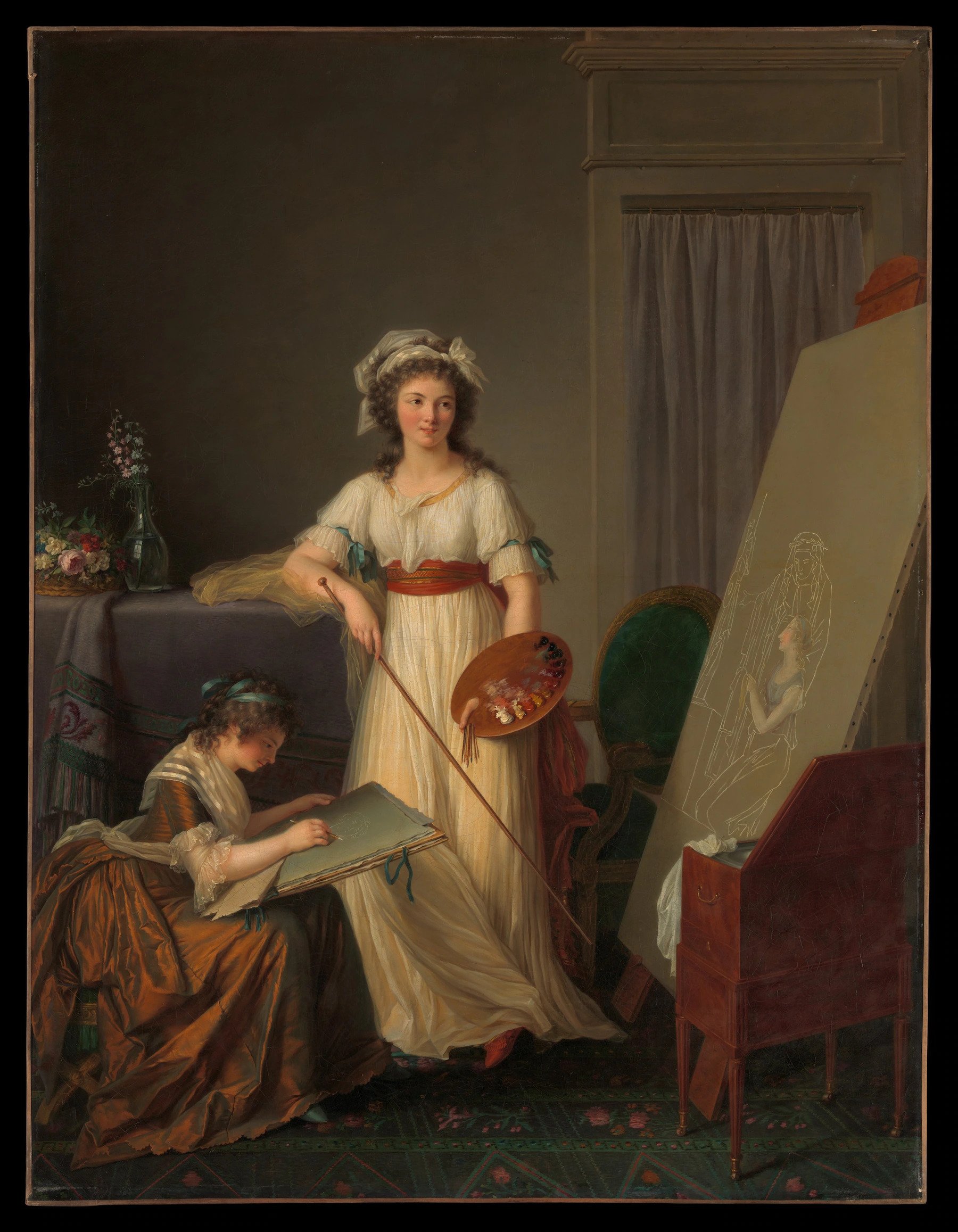
Marie-Victoire Lemoine painted herself and her sister at work in their Paris studio in 1789

When artists are overlooked because (for instance) they are women, it can leave frustrating gaps in the historical record. This 1789 painting by Marie-Victoire Lemoine (1754-1820) at the Metropolitan Museum of Art in New York is a case in point.

Needless to say, 1789 was a big year in France. There’s no sign of the storming of the Bastille in Lemoine’s painting. But the upheaval in French society brought on by the revolution would transform opportunities for female artists over the following decades.

Before the revolution, in 1783, two exceptional women, Adélaïde Labille-Guiard and Elisabeth Vigée Le Brun, had been admitted to the Royal Academy. They were just the third and fourth women to be admitted in the institution’s 150-year history. Wanting to promote the cause of women artists, Labille-Guiard painted a work (also at the Met) that is a clear forerunner to Lemoine’s: It showed the artist herself, seated at an easel, with two female students behind her.

Lemoine’s 1789 canvas conveys a similar message: female capability. (It also features the same type of oval-backed, green upholstered chair.) For a long time, people believed the painting was intended as a tribute to Vigée Le Brun. But it is now believed to show Lemoine herself (standing) with her younger sister Marie-Élisabeth, who was also an artist.

Lemoine stands, palette in hand, in front of a large canvas still in an early stage of execution. I love pictures within pictures because they allow the painter to play games with different levels of illusionism. They can either bring the fiction to the surface or trick you, by implied contrast, into believing in it even more.

This unfinished canvas-within-a-canvas is mostly just sketched white lines. Only the kneeling figure with her extended arm has been painted in. The subject is clearly classical (the standing figure wears a laurel wreath). And that in itself feels significant. Women who chose to paint were encouraged to become proficient at still life and portraiture (Lemoine shows her skill in both genres here). But the most prestigious genre was “history painting” (classical and religious subjects), and history painting was still largely the preserve of men. Lemoine shows that she was willing to buck that trend.

The figures’ poses in the canvas on the easel seem to echo the overall picture: a standing figure looming over a seated woman. The overall painting is in a lovely key of mauve and green. This harmony is echoed in the pattern on the tablecloth, the flowers in the vase, the curtains and the chair. To me, the seated artist’s head seems a little too small in relation to her sister behind, but perhaps this was deliberate?

Given the wider turmoil, Lemoine had to wait a few years, but her painting was finally shown at the Salon of 1796. By that time, the Royal Academy had been abolished and women’s access to training, exhibiting opportunities and the market had started to expand significantly.

Compared to men, however, women remained at a disadvantage, and no one had heard of Lemoine when this painting came on the market in 1920. It had remained in her family since her death a century earlier. When it was lent to an exhibition in 1926, it was given the title “Madame Vigée Le Brun in her studio giving a lesson to her pupil Mademoiselle Lemoine.” But in fact, Vigée Le Brun was never Lemoine’s teacher, so this speculative title has since been rejected. Scholars settled instead on the idea that the painting shows Lemoine and her sister. Read More...
Previous Post

These Artists Are Painting Moody, Classical Still Lifes of Iconic Snacks

Next Post

Five Essential Paintings By Manet And Where You Can Find Them

Comments