In Colombia, graffiti art aims to boost Bogota slum
-
 Loading...
 - Abrasha Volkov
- 15 Jul 2024
- 64 Views
- 0 Like
- 0 Comment
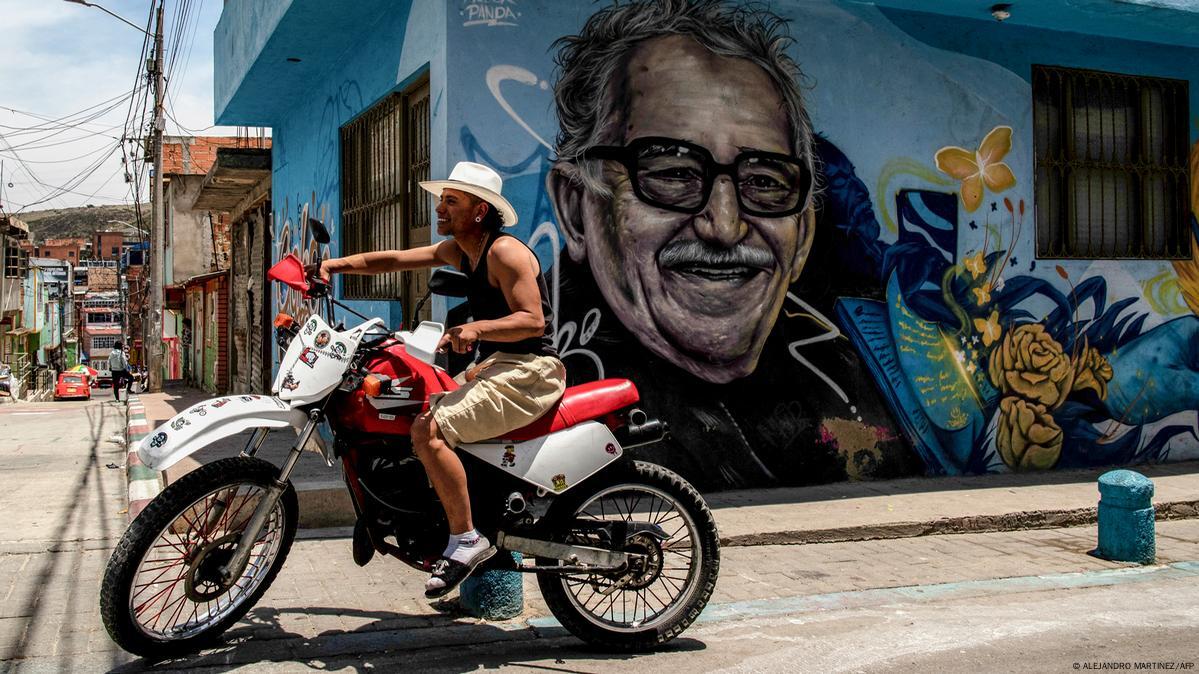
Graffiti art has become a transformative force in Bogota, Colombia, especially in some of the city's most disadvantaged neighborhoods. These vibrant murals and artistic expressions not only brighten up the urban landscape but also play a crucial role in revitalizing communities and fostering a sense of pride and identity among residents. This article explores the historical development, cultural impact, and future prospects of graffiti art in Bogota, with a focus on its role in boosting local slums.
Graffiti in Bogota has its roots in the political and social unrest of the late 20th century. Initially seen as vandalism, graffiti evolved into a powerful medium for expression, reflecting the voices of the marginalized and the youth. The 1990s marked a significant shift when graffiti began to be recognized as a legitimate art form.
Key Figures and Movements
Key figures such as Toxicómano, DjLu, and Bastardilla emerged as pioneers of the graffiti movement in Bogota. Their works, often charged with political and social commentary, set the stage for a burgeoning street art culture. Movements like the "Hip Hop al Parque" festival played a vital role in popularizing graffiti and connecting it with broader cultural expressions like music and dance.
Themes and Styles
Common Themes in Bogota's Graffiti
Graffiti in Bogota often explores themes of resistance, identity, and social justice. Many murals address issues such as poverty, violence, and political corruption. Environmental concerns and indigenous rights are also recurring subjects, reflecting the diverse concerns of the artists and their communities.
Stylistic Approaches
Stylistically, Bogota's graffiti ranges from intricate, detailed murals to bold, abstract pieces. The use of vibrant colors and dynamic compositions is a hallmark of the local style. Some artists incorporate traditional Colombian motifs and symbols, blending contemporary street art with cultural heritage.
Techniques Used
Materials and Methods
Graffiti artists in Bogota use a variety of materials, including spray paint, acrylics, and stencils. Techniques such as freehand painting, tagging, and large-scale mural creation are common. Many artists also experiment with mixed media, integrating elements like paste-ups and installations into their work.
Signature Techniques of Prominent Artists
Prominent artists like Stinkfish are known for their distinctive use of stencils to create detailed portraits, while others like DJ Lu use symbols and icons to convey complex messages. These signature techniques have helped establish a unique visual language within Bogota's graffiti scene.
Notable Works
Iconic Murals and Pieces
Several murals in Bogota have achieved iconic status, becoming landmarks in their own right. Pieces like the "Memoria" mural in the Candelaria district, which commemorates the victims of violence, and the vibrant works along the Carrera 26, known as the "Mural District," are must-see examples of the city's graffiti.
Artists Behind the Works
Artists such as Ledania, with her colorful and surreal compositions, and the collective Vertigo Graffiti, known for large-scale murals that transform entire buildings, are among the notable contributors to Bogota's graffiti landscape.
Cultural Impact
Influence on Community Identity
Graffiti art has significantly influenced the identity of Bogota's communities. It has provided a platform for marginalized voices, allowing residents to reclaim public spaces and express their collective experiences and aspirations. This sense of ownership and pride has helped strengthen community bonds.
Role in Social and Political Commentary
Graffiti in Bogota serves as a powerful tool for social and political commentary. Artists use their work to critique government policies, highlight social injustices, and call for change. This engagement with pressing issues has cemented graffiti's role as a form of public discourse.
Current Trends in Graffiti Art
The contemporary graffiti scene in Bogota is dynamic and ever-evolving. New trends include interactive murals that incorporate augmented reality and digital elements, as well as a growing emphasis on collaborative projects that involve multiple artists and community members.
Leading Artists and Groups
Today, artists like Bastardilla, known for her feminist themes, and collectives like Bogota Street Art are leading the way in pushing the boundaries of what graffiti can achieve. Their innovative approaches continue to inspire and engage both local and international audiences.
Exhibitions and Galleries
Noteworthy Exhibitions in Bogota
Graffiti art has increasingly found its way into formal exhibition spaces. Galleries like the Museo de Arte Contemporáneo and independent spaces such as Espacio Odeón regularly showcase street art, providing artists with a platform to reach wider audiences.
Places to Visit
Visitors to Bogota can explore vibrant graffiti districts like La Candelaria and Teusaquillo. These areas are known for their dense concentration of murals and street art, making them popular destinations for both locals and tourists.
Economic Benefits for the Community
Graffiti art has brought tangible economic benefits to Bogota's slums. Increased tourism has led to more business for local shops and services. Additionally, some artists have gained commercial success, creating opportunities for entrepreneurship and job creation within the community.
Social Changes Brought by Graffiti Art
Beyond economic gains, graffiti has fostered social change by promoting dialogue and understanding. It has helped break down stereotypes about slum areas, portraying them as vibrant, culturally rich communities rather than places of crime and poverty.
Issues Faced by Graffiti Artists
Graffiti artists in Bogota face several challenges, including legal issues, vandalism, and lack of funding. Despite growing acceptance, there are still instances of police crackdowns and public opposition.
Solutions and Support Mechanisms
Solutions include advocacy for clearer regulations that differentiate between art and vandalism, increased funding for street art projects, and community education programs that promote the positive aspects of graffiti.
Graffiti art has played a transformative role in revitalizing Bogota's slums, bringing economic benefits, fostering community pride, and serving as a platform for social and political commentary. As the graffiti scene continues to evolve, it will remain an essential part of Bogota's cultural landscape, reflecting the voices and experiences of its people.