Home Upload Photo Upload Videos Write a Blog Analytics Messaging Streaming Create Adverts Creators Program
Bebuzee Afghanistan Bebuzee Albania Bebuzee Algeria Bebuzee Andorra Bebuzee Angola Bebuzee Antigua and Barbuda Bebuzee Argentina Bebuzee Armenia Bebuzee Australia Bebuzee Austria Bebuzee Azerbaijan Bebuzee Bahamas Bebuzee Bahrain Bebuzee Bangladesh Bebuzee Barbados Bebuzee Belarus Bebuzee Belgium Bebuzee Belize Bebuzee Benin Bebuzee Bhutan Bebuzee Bolivia Bebuzee Bosnia and Herzegovina Bebuzee Botswana Bebuzee Brazil Bebuzee Brunei Bebuzee Bulgaria Bebuzee Burkina Faso Bebuzee Burundi Bebuzee Cabo Verde Bebuzee Cambodia Bebuzee Cameroon Bebuzee Canada Bebuzee Central African Republic Bebuzee Chad Bebuzee Chile Bebuzee China Bebuzee Colombia Bebuzee Comoros Bebuzee Costa Rica Bebuzee Côte d'Ivoire Bebuzee Croatia Bebuzee Cuba Bebuzee Cyprus Bebuzee Czech Republic Bebuzee Democratic Republic of the Congo Bebuzee Denmark Bebuzee Djibouti Bebuzee Dominica Bebuzee Dominican Republic Bebuzee Ecuador Bebuzee Egypt Bebuzee El Salvador Bebuzee Equatorial Guinea Bebuzee Eritrea Bebuzee Estonia Bebuzee Eswatini Bebuzee Ethiopia Bebuzee Fiji Bebuzee Finland Bebuzee France Bebuzee Gabon Bebuzee Gambia Bebuzee Georgia Bebuzee Germany Bebuzee Ghana Bebuzee Greece Bebuzee Grenada Bebuzee Guatemala Bebuzee Guinea Bebuzee Guinea-Bissau Bebuzee Guyana Bebuzee Haiti Bebuzee Honduras Bebuzee Hong Kong Bebuzee Hungary Bebuzee Iceland Bebuzee India Bebuzee Indonesia Bebuzee Iran Bebuzee Iraq Bebuzee Ireland Bebuzee Israel Bebuzee Italy Bebuzee Jamaica Bebuzee Japan Bebuzee Jordan Bebuzee Kazakhstan Bebuzee Kenya Bebuzee Kiribati Bebuzee Kuwait Bebuzee Kyrgyzstan Bebuzee Laos Bebuzee Latvia Bebuzee Lebanon Bebuzee Lesotho Bebuzee Liberia Bebuzee Libya Bebuzee Liechtenstein Bebuzee Lithuania Bebuzee Luxembourg Bebuzee Madagascar Bebuzee Malawi Bebuzee Malaysia Bebuzee Maldives Bebuzee Mali Bebuzee Malta Bebuzee Marshall Islands Bebuzee Mauritania Bebuzee Mauritius Bebuzee Mexico Bebuzee Micronesia Bebuzee Moldova Bebuzee Monaco Bebuzee Mongolia Bebuzee Montenegro Bebuzee Morocco Bebuzee Mozambique Bebuzee Myanmar Bebuzee Namibia Bebuzee Nauru Bebuzee Nepal Bebuzee Netherlands Bebuzee New Zealand Bebuzee Nicaragua Bebuzee Niger Bebuzee Nigeria Bebuzee North Korea Bebuzee North Macedonia Bebuzee Norway Bebuzee Oman Bebuzee Pakistan Bebuzee Palau Bebuzee Panama Bebuzee Papua New Guinea Bebuzee Paraguay Bebuzee Peru Bebuzee Philippines Bebuzee Poland Bebuzee Portugal Bebuzee Qatar Bebuzee Republic of the Congo Bebuzee Romania Bebuzee Russia Bebuzee Rwanda Bebuzee Saint Kitts and Nevis Bebuzee Saint Lucia Bebuzee Saint Vincent and the Grenadines Bebuzee Samoa Bebuzee San Marino Bebuzee São Tomé and Príncipe Bebuzee Saudi Arabia Bebuzee Senegal Bebuzee Serbia Bebuzee Seychelles Bebuzee Sierra Leone Bebuzee Singapore Bebuzee Slovakia Bebuzee Slovenia Bebuzee Solomon Islands Bebuzee Somalia Bebuzee South Africa Bebuzee South Korea Bebuzee South Sudan Bebuzee Spain Bebuzee Sri Lanka Bebuzee Sudan Bebuzee Suriname Bebuzee Sweden Bebuzee Switzerland Bebuzee Syria Bebuzee Taiwan Bebuzee Tajikistan Bebuzee Tanzania Bebuzee Thailand Bebuzee Timor-Leste Bebuzee Togo Bebuzee Tonga Bebuzee Trinidad and Tobago Bebuzee Tunisia Bebuzee Turkey Bebuzee Turkmenistan Bebuzee Tuvalu Bebuzee Uganda Bebuzee Ukraine Bebuzee United Arab Emirates Bebuzee United Kingdom Bebuzee Uruguay Bebuzee Uzbekistan Bebuzee Vanuatu Bebuzee Venezuela Bebuzee Vietnam Bebuzee World Wide Bebuzee Yemen Bebuzee Zambia Bebuzee Zimbabwe
Blog Image

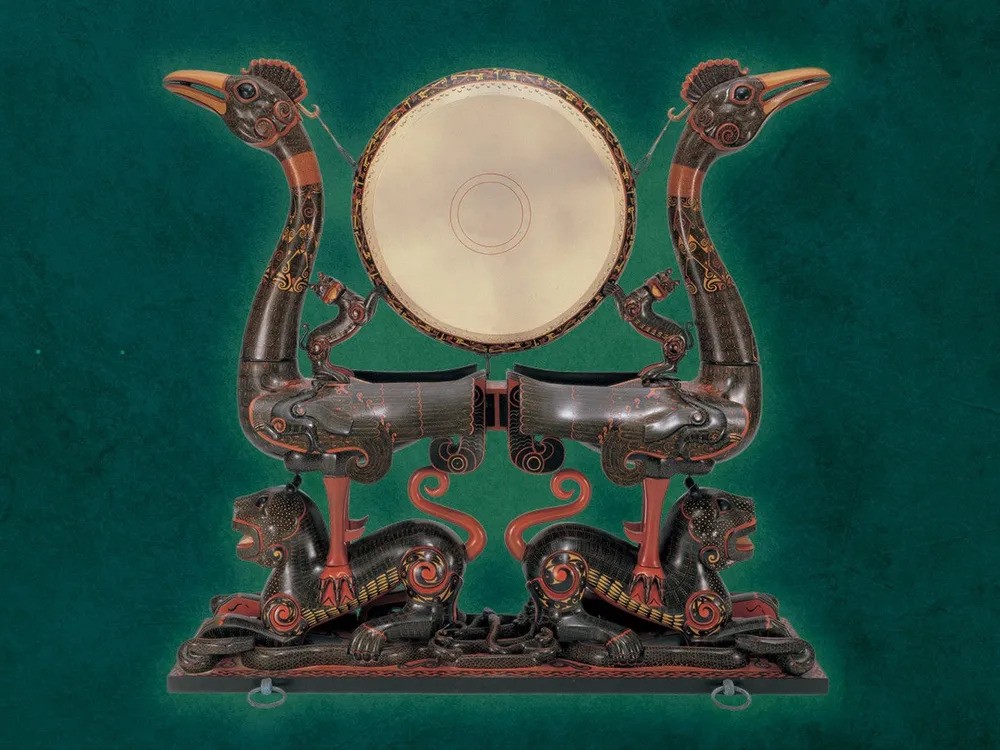
Why Is Chinese Art Full of Dragons, Phoenixes and Tigers?

Chinese art is renowned for its rich symbolism and intricate depictions of mythical creatures such as dragons, phoenixes, and tigers. These animals are not just artistic motifs but carry profound cultural, historical, and philosophical significance. Here’s an exploration of why these creatures are so prevalent in Chinese art.

The Dragon: Symbol of Power and Prosperity

Historical Significance

The dragon is one of the most revered symbols in Chinese culture. Unlike Western dragons, which are often depicted as malevolent, Chinese dragons are seen as benevolent and powerful.

Attributes

- Power and Strength: Dragons symbolize power, strength, and good fortune. They are often associated with the emperor, who was considered the "Son of the Dragon."

- Control of Water: Dragons are believed to control water and weather, essential for agriculture in ancient China.

- Spiritual Significance: In Daoism, dragons are seen as spiritual beings that balance the forces of nature.

Artistic Depictions

Dragons are commonly depicted in various forms of Chinese art, including paintings, sculptures, and pottery. They often have serpentine bodies, scales, and are shown flying among clouds or emerging from water.

The Phoenix: Emblem of Renewal and Harmony

Mythological Background

The phoenix, or Fenghuang, is another central figure in Chinese mythology. It is often depicted as a beautiful, colorful bird and symbolizes rebirth, immortality, and grace.

Attributes

i. Yin and Yang: The phoenix is often paired with the dragon to represent the balance of yin and yang. The dragon symbolizes the male (yang) and the phoenix the female (yin).

ii. Virtue and Grace: The phoenix embodies virtues such as benevolence, righteousness, and wisdom.

iii. Renewal and Rebirth: It is associated with renewal and rejuvenation, often depicted rising from ashes.

Artistic Depictions

Phoenixes are frequently found in Chinese art, particularly in imperial contexts. They are seen in textiles, ceramics, and architectural decorations, often depicted with flowing plumage and vibrant colors.

The Tiger: Guardian and Protector

Cultural Significance

Tigers hold a significant place in Chinese culture, symbolizing courage, strength, and protection. They are one of the twelve animals of the Chinese zodiac and are considered guardians.

Attributes

i. Strength and Valor: Tigers are emblematic of strength, bravery, and military prowess.

ii. Protection: They are often seen as protectors against evil spirits and are associated with the god of war.

iii. Seasonal Symbolism: In Chinese cosmology, the tiger is associated with the element of wood and the direction of the east, representing spring and renewal.

Tigers are depicted in various forms of Chinese art, from traditional paintings to carvings. They are often shown in dynamic poses, emphasizing their power and ferocity.

The prevalence of dragons, phoenixes, and tigers in Chinese art reflects the deep cultural, spiritual, and philosophical meanings these creatures hold. They are more than just mythical animals; they embody the values, beliefs, and aspirations of Chinese civilization. Through their depiction in art, these creatures continue to inspire and convey powerful messages about strength, balance, protection, and renewal.

Previous Post

Tunisia's Art Scene Rises Amid a Challenging Socio-Political Backdrop

Next Post

Exhibition by the Slovak National Museum of Giovanni Segantini showing at Bratislava Castle

Comments