Tunisia's Art Scene Rises Amid a Challenging Socio-Political Backdrop
-
 Loading...
 - Edrice Sabry
- 16 Jul 2024
- 66 Views
- 0 Like
- 0 Comment
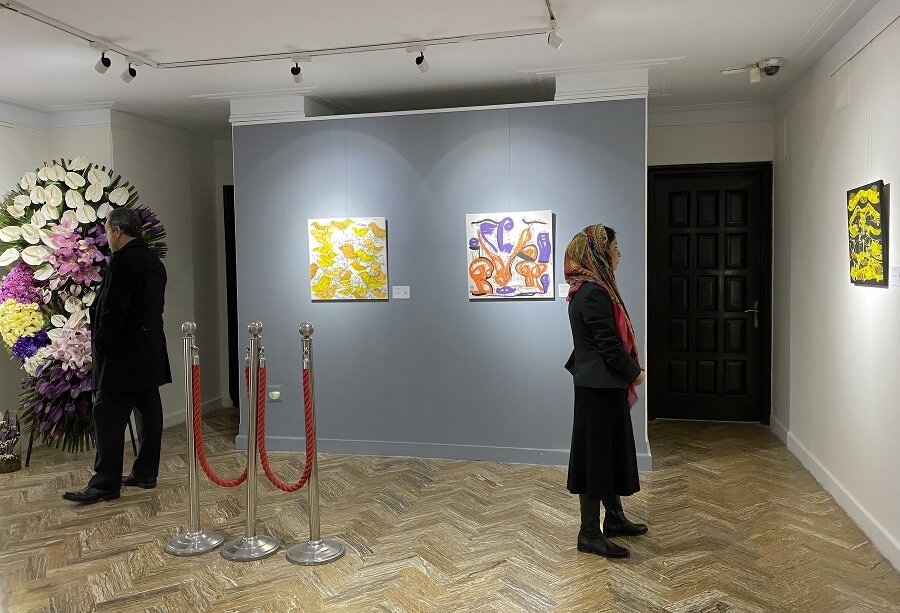
Tunisia's art scene is flourishing even as the country faces significant socio-political challenges. In recent times, several new galleries have opened in Tunis, shedding light on the North African country's rich creative landscape during a period of uncertainty.
A Vibrant Art Scene
Lamia Bousnina Gallery
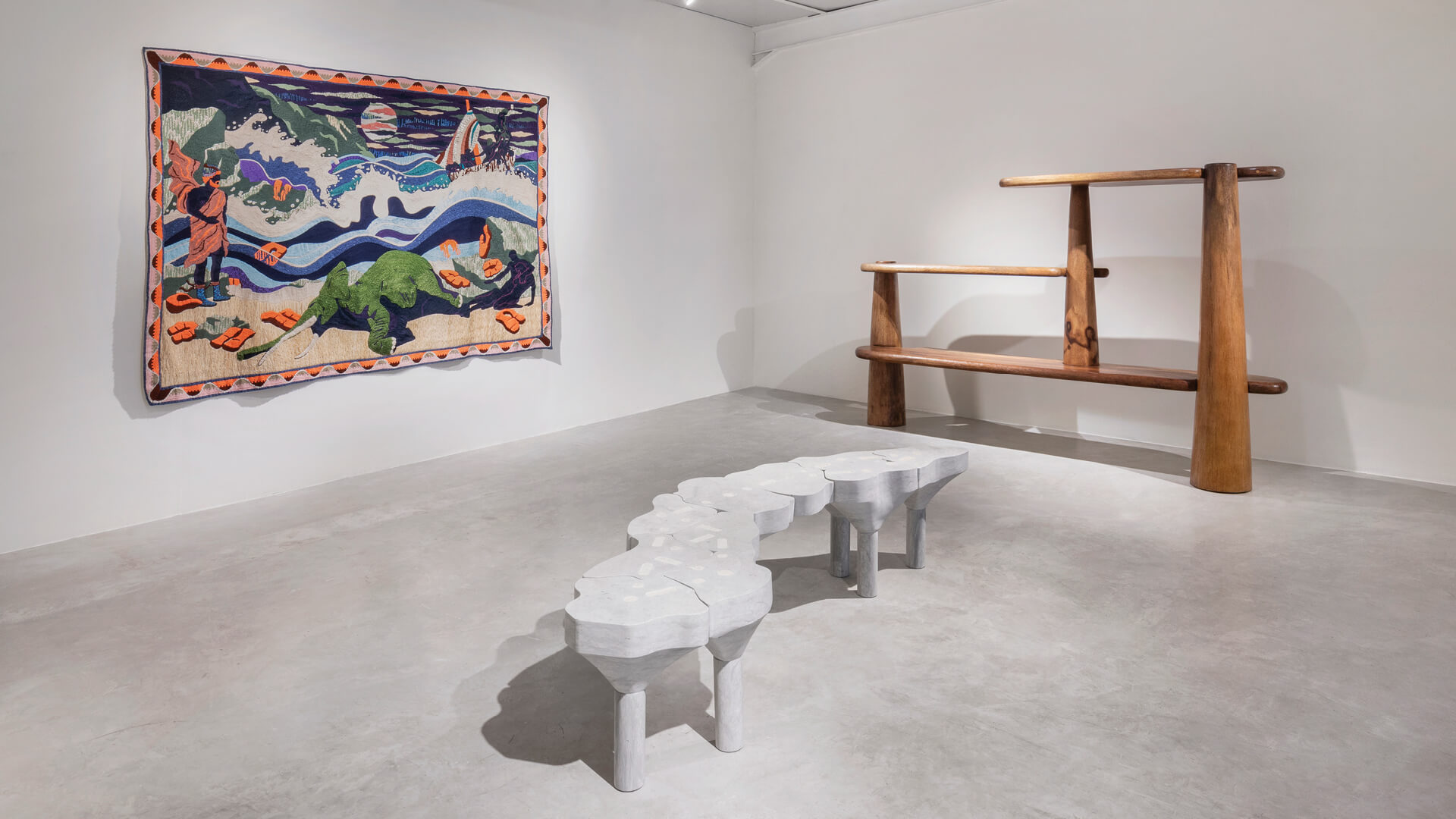
One of the most notable new additions is the Lamia Bousnina Gallery in the capital, Tunis. The gallery showcases a vibrantly colored tapestry, Hannon and the Mediterranean Mirage, created by French designer Louis Barthélemy in collaboration with Tunisian artisan Nejib Bel Hadj. This piece captures the historical and contemporary voyages in the Mediterranean, illustrating them as journeys of glory, pain, and resilience.
Symbolic Vignettes
The tapestry presents symbolic vignettes tracing the travels of ancient Carthaginian explorer Hannon during the 6th century BC, featuring elements like a large elephant, stormy seas, and Carthaginian general Hannibal from the 2nd century BC. It also references modern-day migrant journeys in the Mediterranean, symbolized by scattered orange life vests. Barthélemy draws inspiration from the journey of 18-year-old Tunisian influencer Sabee al Saidi.
Artisanal Heritage
Made from a rich selection of materials including embroidered wool, silk, raffia, cotton, and linen, the tapestry highlights Tunisia’s artisanal heritage while reflecting the current socio-economic challenges and the uncertain state of its democracy ahead of the November 2024 presidential elections. Barthélemy expressed his desire to depict migration issues, the relationship between the global north and south, and celebrate Tunisia’s heritage amidst a backdrop of socio-political changes.
Lamia Bousnina Ben Ayed's Mission
Lamia Bousnina Ben Ayed, the gallerist behind the gallery, aims to create a platform to promote Tunisia’s artisans. She notes that Tunisia is home to nearly 350,000 artisans, primarily women, who play a crucial but often unrecognized role in regional development, especially in marginalized areas. Her gallery, located on the first floor of a modern building in Tunis, is dedicated to unique art and design pieces, while the second floor houses her decade-old concept store and gallery, Musk and Amber.
Emerging Designers
Bousnina explains that post-2011 revolution saw a surge in emerging artists, although there are still few designers. She believes that design is now playing an increasingly important role in Tunisia. After a decade with Musk and Amber, she felt the need to do more with collectible design that values Tunisian heritage.
Socio-Political Context
Presidential Elections
This artistic revival is occurring against a backdrop of socio-political uncertainty. Tunisia is preparing for its third presidential election since the 2011 revolution. The current President, Kais Saied, has imposed increasingly authoritarian rule since assuming full control on July 25, 2021, creating a tense atmosphere in Tunis.
Economic Challenges
Since the revolution, living standards have significantly declined, with high unemployment, rising inflation, and shortages of essential goods. These hardships have led many Tunisians to undertake perilous journeys across the Mediterranean Sea in search of better opportunities abroad, a reality captured by influencers like al Saidi and artists like Barthélemy.
Despite the socio-political and economic challenges, Tunisia’s art scene is thriving. New galleries and innovative artworks are showcasing the country's rich cultural heritage and the resilience of its people. As Tunisia navigates these uncertain times, its burgeoning art scene offers a beacon of hope and a testament to the enduring power of creativity.