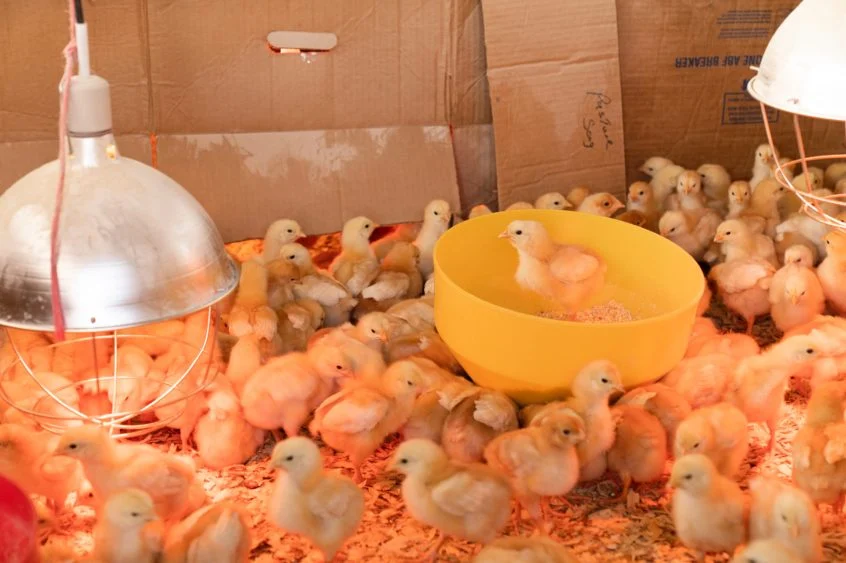
Austria bans ‘senseless' killing of chicks with new animal welfare rules

Austria’s Federal Government has put together a new set of rules for stricter animal welfare in the country, most notably banning the practice of mass killing and disposal of male newborn chicks.
“This package of measures is a great success for animal welfare, which finally implements years of demands of animal rights activists,” explains Animal Welfare Minister Johannes Rauch in a press conference detailing the measures.
Rauch announced the end of the “senseless” killing of chicks. Instead, the minister explained that the animals would be culled and used as feed in zoos, saying there is a great demand and zoos have been importing meat for their animals.
In the future, Austria will carry out “gender determinations” of the animals before they hatch to take “appropriate measures earlier”.
Rauch added that the “shredding” of chicks, a controversial culling measure, did not take place in Austria even before the new steps.
Measures for cow and pig welfare
The present animal welfare package will end the uninterrupted, year-round tying of cattle from 2030.
For pigs, there will be an “incentive” to offer more space for the animals, with new and converted stables and cooling planned. Rauch said that the measures were a compromise and first step but that “we are not yet where we want to go”.
The package also imposes new rules for live animal transport, including shorter transport times and a ban on transporting newborns.
Most of the provisions will come into force from 2023, the minister added. The package will be officially voted in Parliament at the end of June.
“Unacceptable”: Criticism from animal protection groups and opposition
Animal protection groups in Austria have criticised the federal government’s plan as unacceptable and a “weak compromise”.
Pigs and cattle for fattening will still stand on full-coated soils, tail cropping and anaesthetic castration will continue to be common practice in piglets, and animals will be transported far too young and far too long, the Vier Pfoten group pointed out in a statement. Read More...